Tokenization mirrors the $20 trillion ETF boom as blockchain and AI converge, Ondo exec says

Tokenization is increasingly being recognized as a transformative force in the investment landscape, akin to the $20 trillion boom seen in the exchange-traded fund (ETF) market. According to John Hoffman, the newly appointed head of portfolio products at Ondo, this trend is not merely about digitizing assets but is paving the way for autonomous investing and real-time portfolio management. The integration of blockchain technology and artificial intelligence is set to revolutionize how investors manage and interact with their portfolios, offering unprecedented levels of efficiency and transparency.
The surge in interest around tokenization can be traced back to the broader evolution of financial markets. Over the past few years, we've witnessed significant advancements in blockchain technology, which have enabled digital representations of real-world assets. This evolution has been complemented by the rise of AI, which enhances data analysis and decision-making processes. As regulatory frameworks evolve and investor sentiment shifts towards innovative financial products, tokenization emerges as a crucial component in the future of investing, drawing parallels to the rapid acceptance and growth of ETFs.
The implications of tokenization for the market are substantial. As assets become tokenized, they can be fractionally owned and traded, democratizing access to investments that were once reserved for high-net-worth individuals. This transformation could lead to increased liquidity in various asset classes and open new opportunities for retail investors to diversify their portfolios. Moreover, the combination of blockchain’s transparency and AI’s analytical capabilities could result in more informed decision-making, potentially driving greater market efficiency.
Industry experts have begun to weigh in on the potential of tokenization and its intersection with AI. Many believe that the convergence of these technologies could lead to smarter investment strategies, as AI can analyze vast amounts of data to identify trends and provide actionable insights. Additionally, the automation of investment processes through tokenization may reduce costs associated with traditional asset management, further enticing both institutional and retail investors. However, some caution that regulatory clarity and security concerns still need to be addressed for tokenization to reach its full potential.
Looking ahead, we can anticipate that the momentum behind tokenization will only continue to grow. As more firms explore the capabilities of blockchain and AI, we may see an influx of innovative financial products that leverage these technologies. The market will likely witness further collaborations between tech companies and financial institutions, aimed at creating robust platforms for tokenized investments. As this landscape evolves, staying informed about developments in tokenization will be essential for investors looking to navigate the future of finance effectively.

CoinMagnetic Team
Crypto investors since 2017. We trade with our own money and test every exchange ourselves.
Updated: June 2026
From our insights:
Related news
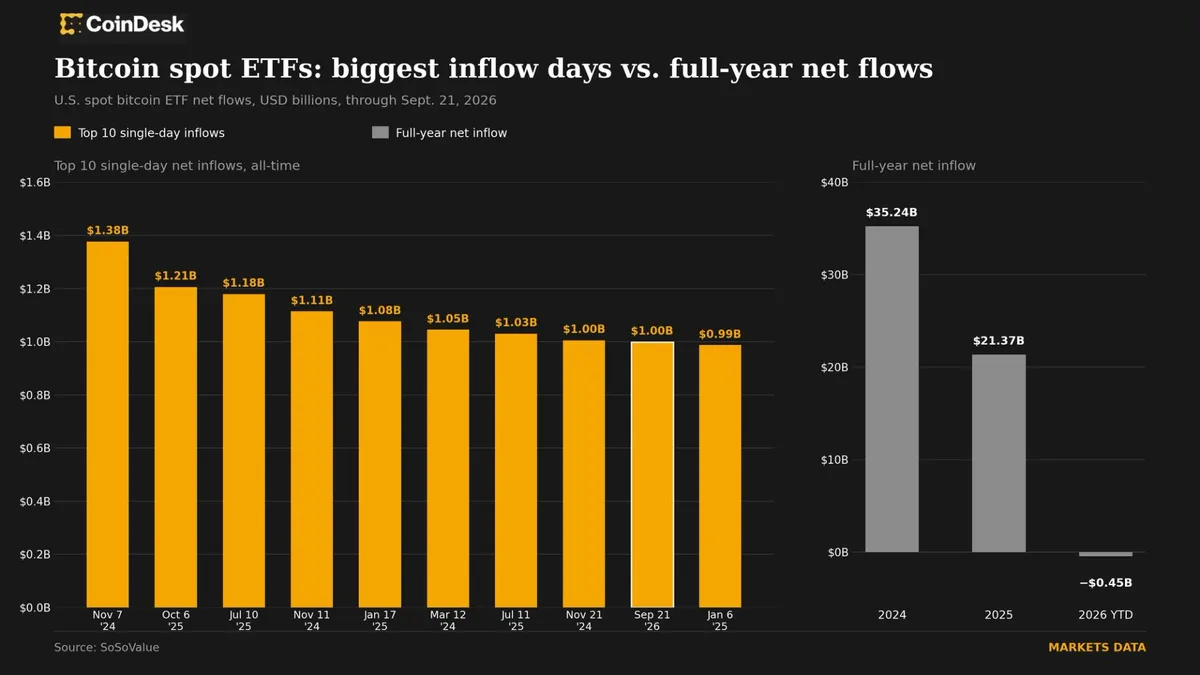
Spot bitcoin ETFs see nearly $1 billion inflow as bitcoin hits January highs
US spot Bitcoin ETFs see nearly $1 billion inflow, highest since October 2025
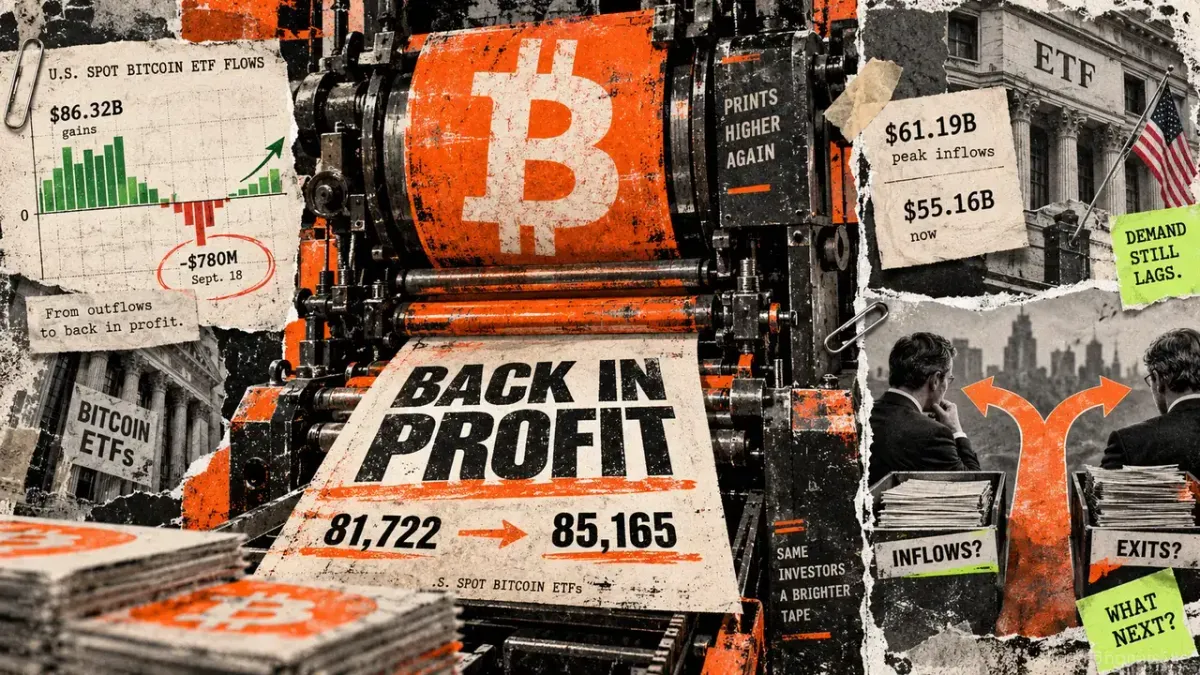
Bitcoin's rise to $86,000 restores profitability for ETF investors
Apple and Google seek crypto experts, signaling potential stablecoin initiatives

ECB initiates bond purchases using its own funds in crypto-linked system