There is a ‘fundamental clash’ between bitcoin and institutionalization, says BTC circular economy project founder

In a recent discussion, Hermann Vivier, the founder of the Bitcoin Ekasi project, highlighted the inherent tension between Bitcoin's role as a store of value and its potential for widespread institutional adoption. Vivier pointed out that the narrative surrounding Bitcoin as a reliable store of value is fundamentally flawed if it does not also serve as a medium of exchange. He argues that without practical usage in everyday transactions, Bitcoin risks becoming a mere speculative asset, which could hinder its long-term viability and acceptance among both individuals and institutions.
The context of Vivier's remarks stems from ongoing debates within the cryptocurrency community regarding Bitcoin's true utility. While many enthusiasts tout Bitcoin as "digital gold," claiming it can protect against inflation and provide a hedge during economic uncertainty, others argue that for Bitcoin to realize its full potential, it needs to be utilized in commerce. This discourse reflects the broader struggle between the ideological underpinnings of Bitcoin as a decentralized currency versus its adoption by traditional financial systems that often prioritize stability and regulation over innovation.
This clash is particularly significant for the market as it highlights the challenges Bitcoin faces in gaining traction with institutional investors who may prioritize stability and regulatory compliance over the cryptocurrency's original ethos. If Bitcoin cannot establish itself as a viable medium of exchange, it risks being relegated to the status of a speculative asset, which could dampen institutional interest and investment. This dynamic is crucial as institutional participation is often seen as a key driver for Bitcoin's price stability and long-term growth.
Industry reactions to Vivier's statements have been mixed. Some experts agree with his assessment, arguing that for Bitcoin to achieve mass adoption, it must transition from being viewed solely as a store of value to a functional currency that can be used in daily transactions. Others, however, maintain that the current narrative of Bitcoin as a store of value is sufficient for driving institutional interest and that the market can sustain both perspectives simultaneously. This debate underscores the diverse opinions within the cryptocurrency community regarding the future direction of Bitcoin and its role in the global economy.
Looking ahead, the conversation surrounding Bitcoin's dual identity is likely to intensify. As more companies explore the integration of Bitcoin into their payment systems and as regulatory frameworks continue to develop, we may see a shift in how Bitcoin is perceived and utilized. The challenge will be to find a balance between its role as a store of value and its functionality as a medium of exchange, which will be crucial for its continued evolution in the financial landscape. The outcome of this ongoing dialogue will play a significant role in shaping the future of Bitcoin and its place in both the crypto ecosystem and traditional finance.

CoinMagnetic Team
Crypto investors since 2017. We trade with our own money and test every exchange ourselves.
Updated: June 2026
From our insights:
Related news
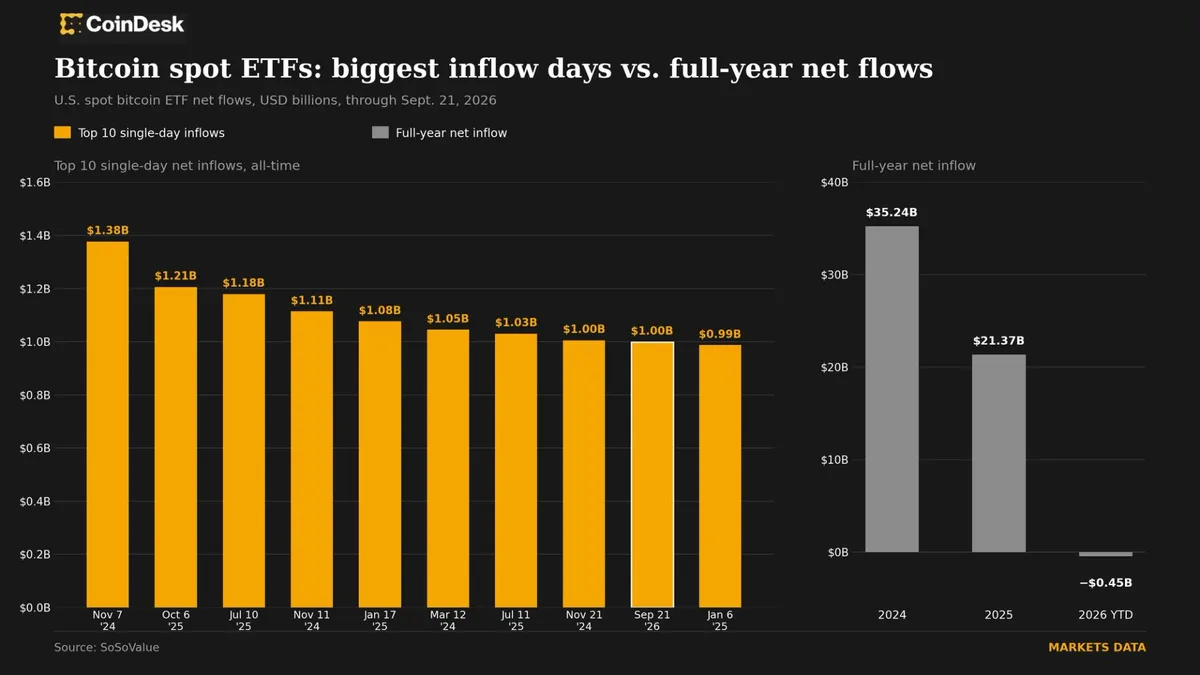
Spot bitcoin ETFs see nearly $1 billion inflow as bitcoin hits January highs

US spot Bitcoin ETFs see nearly $1 billion inflow, highest since October 2025
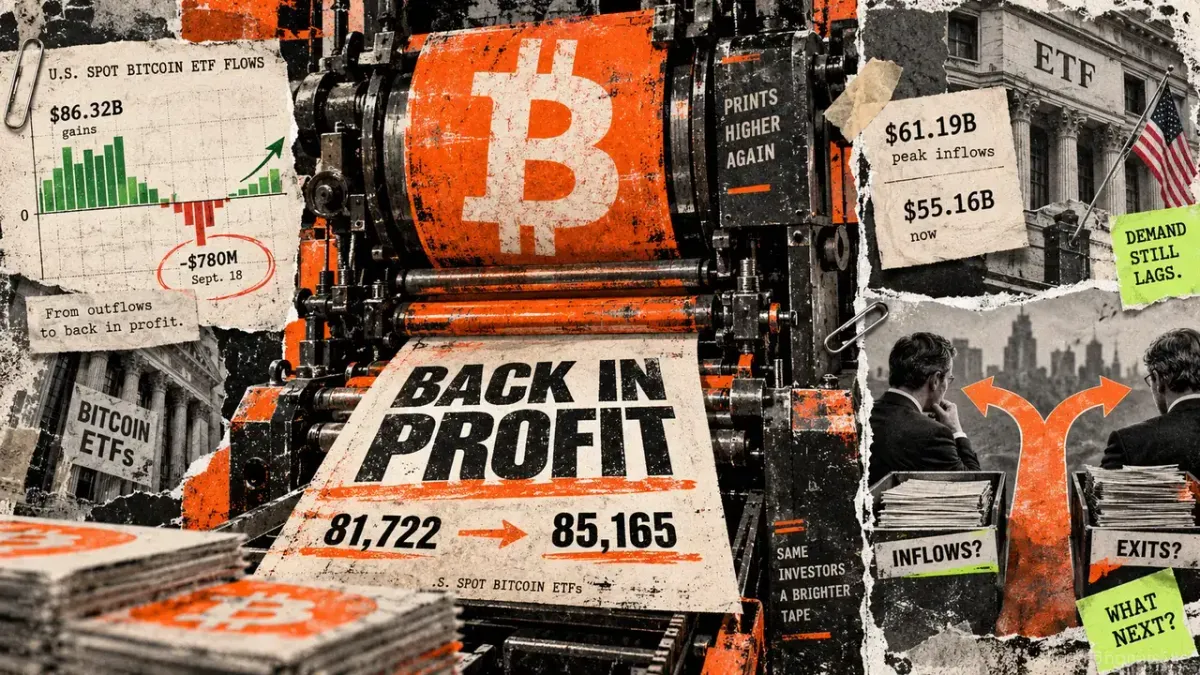
Bitcoin's rise to $86,000 restores profitability for ETF investors
Apple and Google seek crypto experts, signaling potential stablecoin initiatives

ECB initiates bond purchases using its own funds in crypto-linked system