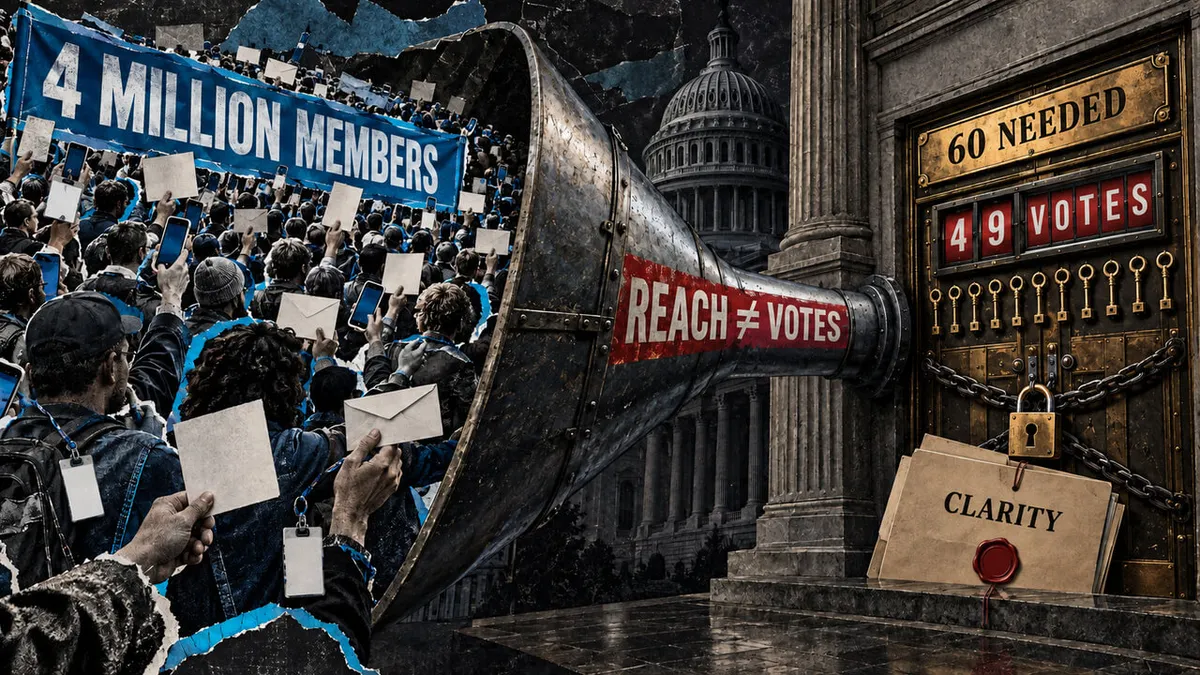
The US says it grabbed Iran’s crypto in a $1B seizure – will it end up in Trump’s Bitcoin Reserve?
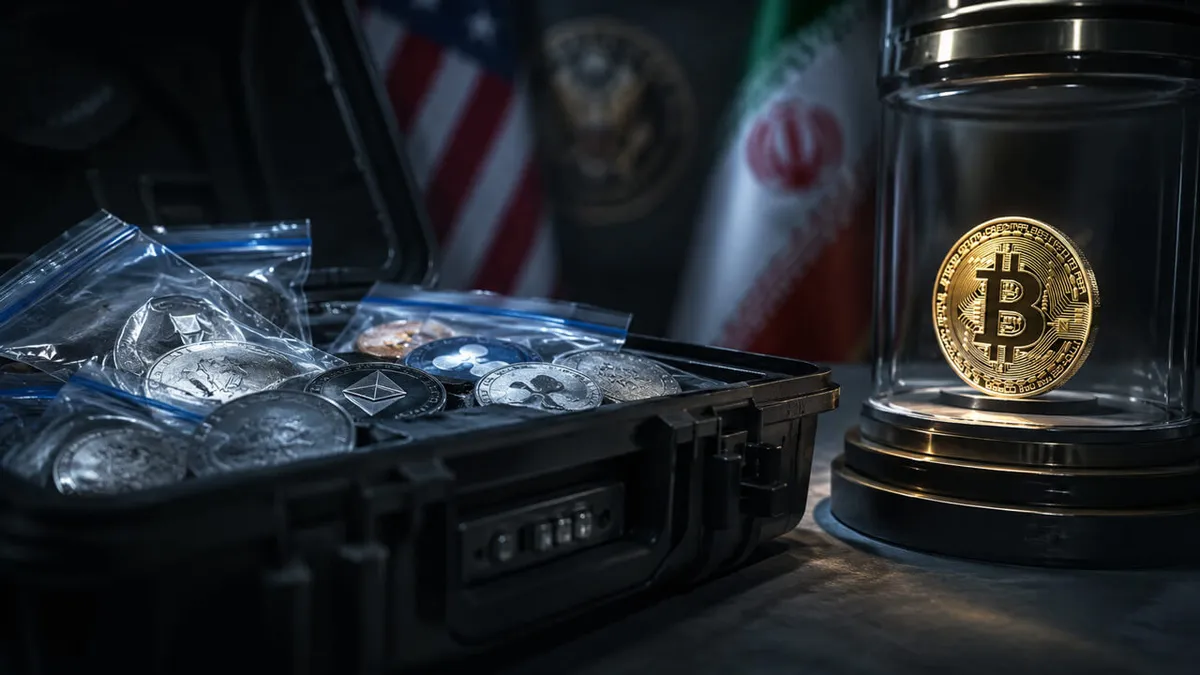
The recent announcement by U.S. Treasury Secretary Scott Bessent at the Reagan National Economic Forum has sent ripples through the crypto community, as he revealed that the U.S. government seized approximately $1 billion in Iranian crypto assets. This unprecedented move highlights a significant shift in how governments are approaching cryptocurrency, particularly in relation to sanctions and national security. Bessent stated that authorities "just outright grabbed the wallets," which underscores the aggressive stance the U.S. is taking against perceived threats from foreign entities utilizing digital currencies.
To understand this development, it’s vital to consider the historical context of U.S.-Iran relations and the increasing use of cryptocurrencies in global transactions. Over the past few years, Iran has been accused of using cryptocurrencies to circumvent international sanctions, making it a target for U.S. Treasury actions. The seizure is not only a legal maneuver but also part of a broader strategy to disrupt financial networks that the U.S. government considers a threat. By seizing these assets, the U.S. is sending a clear message that it will take action against any entity attempting to undermine its sanctions through cryptocurrency.
This seizure could have significant implications for the cryptocurrency market as it brings to the forefront the potential for government interventions. The U.S. government's assertive actions may instill fear among crypto investors, particularly those involved in cross-border transactions. The event raises questions about the security of digital assets and the extent to which governments can or will intervene in the market. It also puts pressure on other countries to reconsider their own regulatory frameworks regarding cryptocurrency and financial transactions.
Industry experts have expressed mixed reactions to the announcement. Some view it as a necessary step to uphold national security, while others criticize the move as indicative of an overreach by the government. There are concerns that such actions could stifle innovation within the crypto space. Notably, influential voices in the industry have pointed out that while the U.S. takes a hardline approach, other nations may adopt more lenient stances, leading to a potential flight of innovation and investment away from the U.S. markets.
Looking ahead, the future of these seized assets remains uncertain. While speculation about their potential inclusion in a "Trump's Bitcoin Reserve" has arisen, the practicalities of such a scenario are yet to be clarified. The U.S. government will likely face legal challenges regarding the ownership and distribution of these assets. Additionally, the broader regulatory landscape for cryptocurrencies will continue to evolve, and how governments around the world respond to such seizures will play a crucial role in shaping the future of the crypto market. The coming months will be pivotal in determining how these events influence both regulatory policy and market dynamics.

CoinMagnetic Team
Crypto investors since 2017. We trade with our own money and test every exchange ourselves.
Updated: May 2026
From our insights:
Related news
Reap aims to enhance cross-border FX with non-USD stablecoins including peso
ECB and EU central banks propose liquidity thresholds for stablecoins
Four GOP senators backing CLARITY Act seek changes to stablecoin provisions
US investigates Binance for potential Iran-linked trading violations
Crypto sector emerges as top donor with $206 million in midterms backing