US greenlights high-leverage Bitcoin trading despite funding roadblocks for crypto founders
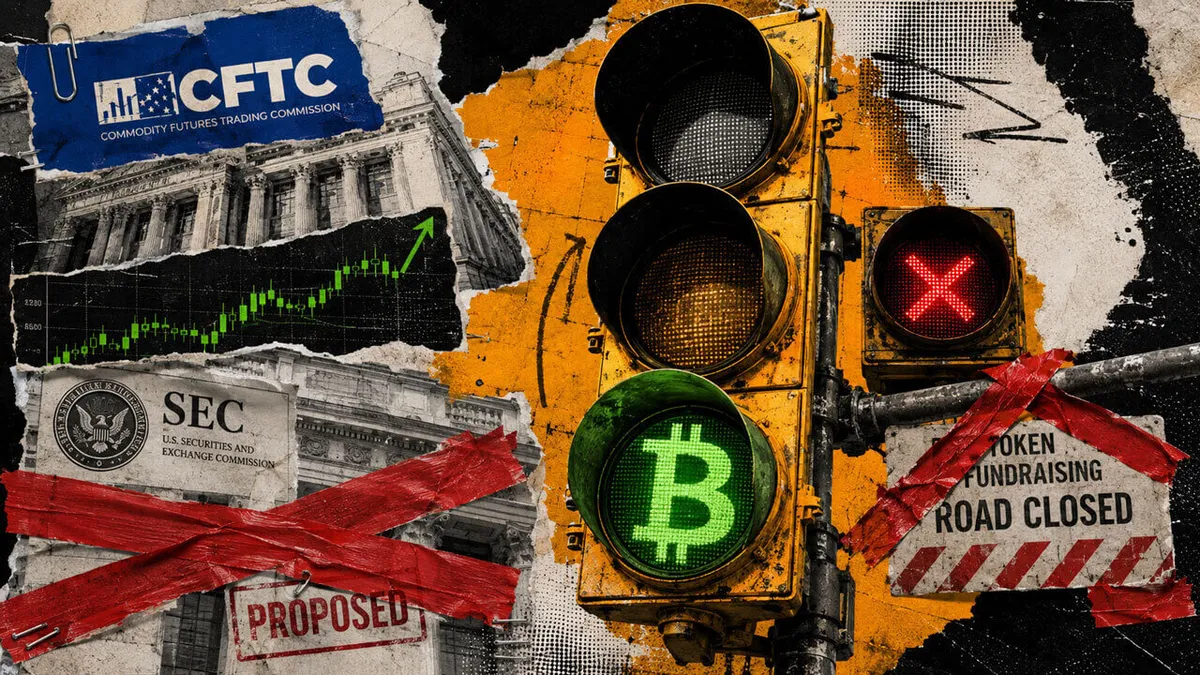
On May 29, the Commodity Futures Trading Commission (CFTC) granted approval for a Bitcoin perpetual contract, marking a significant development for regulated trading in the United States. This move allows institutional and retail traders to engage in high-leverage trading of Bitcoin on regulated exchanges, potentially amplifying the trading volume and liquidity in the market. However, this approval comes amid a complex regulatory landscape, as crypto founders and projects still face legal hurdles in raising funds from the public, creating a dichotomy in the treatment of trading and fundraising activities in the crypto space.
The context of this development highlights the ongoing struggle between regulatory bodies and the rapidly evolving cryptocurrency market. While the CFTC's approval signifies a step towards embracing cryptocurrency trading within a regulated framework, the Securities and Exchange Commission (SEC) has yet to establish clear guidelines for how crypto projects can legally raise funds. This reluctance to provide a legal pathway for fundraising contrasts sharply with the push to legitimize trading activities, indicating a cautious approach from regulators towards the broader implications of cryptocurrency initiatives.
This situation is particularly crucial for the market as it reflects contrasting regulatory priorities. The approval of high-leverage Bitcoin trading could attract more institutional investors and increase market participation, potentially driving up Bitcoin's price. However, the inability of crypto founders to secure funding through traditional means may hinder innovation and development within the industry. The stifling of fundraising avenues for projects could lead to a stagnation in the growth of new technologies and solutions in the blockchain space, despite the increasing appetite for trading.
Industry experts have reacted with mixed feelings to this regulatory landscape. Some view the CFTC's decision as a positive sign that regulators are beginning to recognize the legitimacy of crypto trading, while others express concern that the lack of clarity around fundraising could deter entrepreneurs from launching new projects. There is a growing call for a unified regulatory framework that balances the need for investor protection with the necessity of fostering innovation in the crypto sector.
Looking ahead, the cryptocurrency industry is left to navigate this complex regulatory environment. While the approved Bitcoin perpetual contract may pave the way for enhanced trading activities, the ongoing barriers for fundraising remain a pressing issue. Industry stakeholders are hopeful that further discussions and proposals from the SEC could lead to a more conducive environment for crypto projects to thrive, ultimately fostering growth in both trading and innovation.

CoinMagnetic Team
Crypto investors since 2017. We trade with our own money and test every exchange ourselves.
Updated: August 2026
From our insights:
Related news
Wells Fargo in talks with Kraken parent Payward for crypto trading liquidity

Tether, Kazakhstan cenbank mull tenge stablecoin and asset tokenization

House Finance panel chair says regulator actions on crypto ‘fall short’ of CLARITY bill

Kazakhstan's central bank partners with Tether for stablecoin exploration

Europol urges immediate post-quantum migrations to protect private keys