Banks must develop internal tools before using Swift's tokenized network

Taurus co-founder Lamine Brahimi has highlighted critical infrastructure requirements for banks looking to utilize Swift's new tokenized-deposit network. According to Brahimi, these institutions must develop their own permissioned ledgers, wallet tools, and smart-contract capabilities to effectively integrate with this blockchain-based system. This insight raises important questions about the readiness of banks to adopt new technologies in the rapidly evolving world of digital finance.
The backdrop of this discussion is the growing momentum behind blockchain technology in the banking sector, which has seen various initiatives aimed at enhancing efficiency and transparency. Swift, a major player in global financial messaging, has been exploring ways to modernize its services through tokenization and blockchain integration. However, as Brahimi points out, simply adopting Swift's network is not enough; banks must first invest in the necessary infrastructure to support this transition.
This matter is significant for the market as it underscores the challenges that traditional financial institutions face when trying to adopt innovative solutions. The need for banks to build out their own capabilities may slow down the adoption of Swift's tokenized network, potentially delaying the broader acceptance of blockchain technology in the financial services industry. As banks navigate these complexities, the pace at which they can innovate will be closely watched by market participants.
Industry reaction to Brahimi's comments has been mixed. Some experts agree that establishing internal infrastructure is crucial for banks to fully leverage the benefits of blockchain technology, while others believe that partnerships with tech firms could expedite this process. The discussion reflects a broader sentiment within the industry about the need for collaboration and investment in technology to realize the full potential of digital finance.
Looking forward, it remains to be seen how quickly banks will respond to these infrastructure needs. As they evaluate their strategic approaches, the development of permissioned ledgers and smart contracts could become a priority. This evolution will likely shape the future landscape of banking in conjunction with initiatives like Swift's tokenized-deposit network.

CoinMagnetic Team
Crypto investors since 2017. We trade with our own money and test every exchange ourselves.
Updated: October 2026
From our insights:
Related news

Europol identifies crypto wallets as main target for quantum attacks
Rain aims for national trust bank charter to handle stablecoin operations

Russia clears first crypto exchanges, custodians under new law
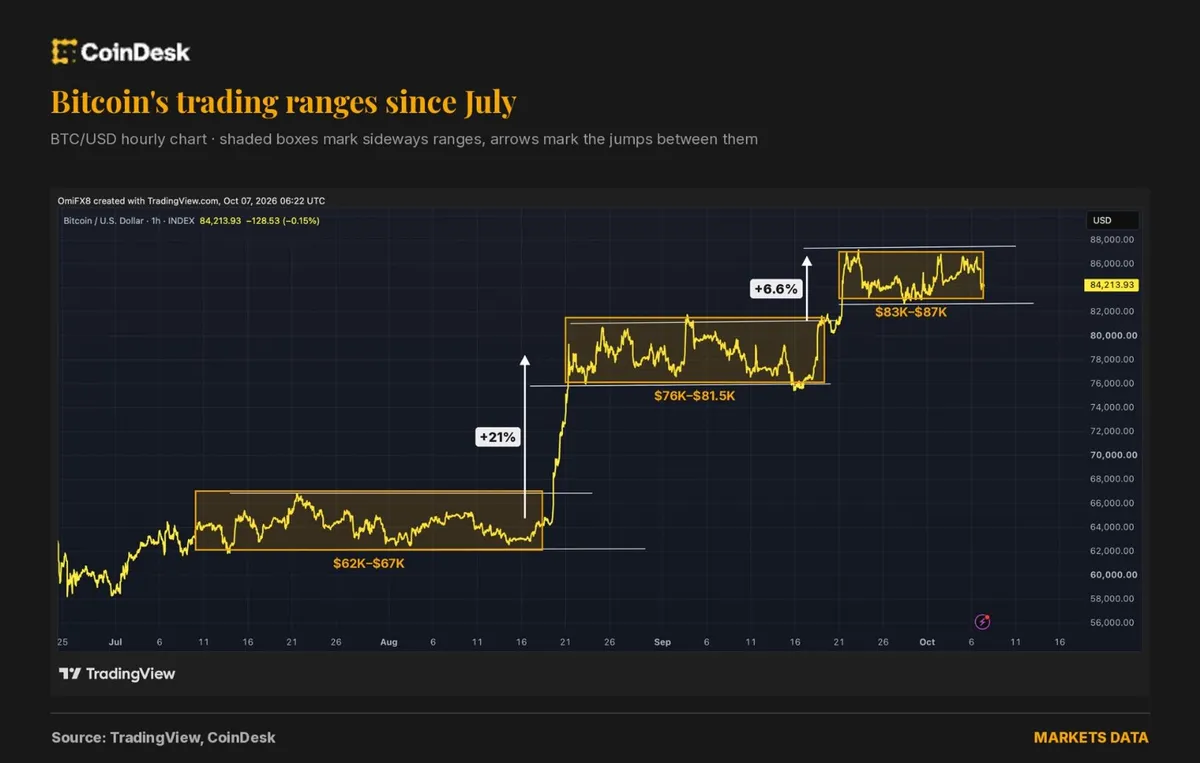
Bitcoin maintains bullish stair-step pattern despite dip to $84,200

Bitcoin Fog ruling could impact Roman Storm's acquittal efforts