The economics behind Aave proposal to ditch 6 chains that earn loose change in revenue

The Aave community has recently put forth a governance proposal to discontinue its deployments on six blockchains–Sonic, Scroll, zkSync, Metis, Soneium, and Aptos. This decision comes in light of significant drops in activity and revenue generation on these platforms. Aave's analysis indicates that deposits on some of these chains have plummeted by over 90%, leading to a reevaluation of its resource allocation. The proposal aims to retire around 50 asset markets across these underperforming chains, focusing the platform's efforts on more profitable and stable environments.
To understand this proposal, it's essential to consider the broader context of the decentralized finance (DeFi) landscape. Aave has established itself as a leading lending protocol, and its governance decisions reflect the ongoing challenges faced by DeFi projects in a rapidly evolving market. As new chains emerge and competition increases, Aave's leadership is tasked with ensuring that its resources are utilized effectively. This proposal is a strategic move to concentrate on platforms that offer more robust user engagement and revenue potential, essentially streamlining operations to avoid wasting resources on low-performing chains.
The significance of this move for the market cannot be understated. By retiring deployments on chains that generate minimal revenue, Aave aims to bolster its overall financial health and improve the user experience on more productive platforms. This could lead to a reevaluation of how other DeFi projects approach their multi-chain strategies, prompting them to assess the viability of their deployments in a similar manner. Furthermore, this decision could signal to investors and users that Aave is committed to maintaining a sustainable and profitable operation, potentially increasing confidence in the protocol.
Industry reactions to the proposal have been mixed but largely supportive. Experts appreciate Aave's proactive approach to managing its resources and focusing on chains that can drive growth. Some analysts argue that this could set a precedent for other DeFi projects, encouraging them to adopt a more analytical stance regarding their multi-chain operations. However, there are concerns about the long-term implications for the ecosystems of the chains being retired, as this could lead to diminished liquidity and user engagement in those areas.
Looking ahead, the Aave governance process will determine whether the proposal is accepted or rejected. If ratified, it will likely pave the way for a more streamlined focus on the chains that provide the best economic value. This could also encourage further discussions within the community about the long-term strategy for Aave and its role in the broader DeFi ecosystem. As the proposal unfolds, stakeholders will be keenly watching how this decision impacts not just Aave but the entire multi-chain landscape within the DeFi space.

CoinMagnetic Team
Crypto investors since 2017. We trade with our own money and test every exchange ourselves.
Updated: July 2026
From our insights:
Related news

Why 90% of your DeFi trades are quietly being routed back to Wall Street market makers
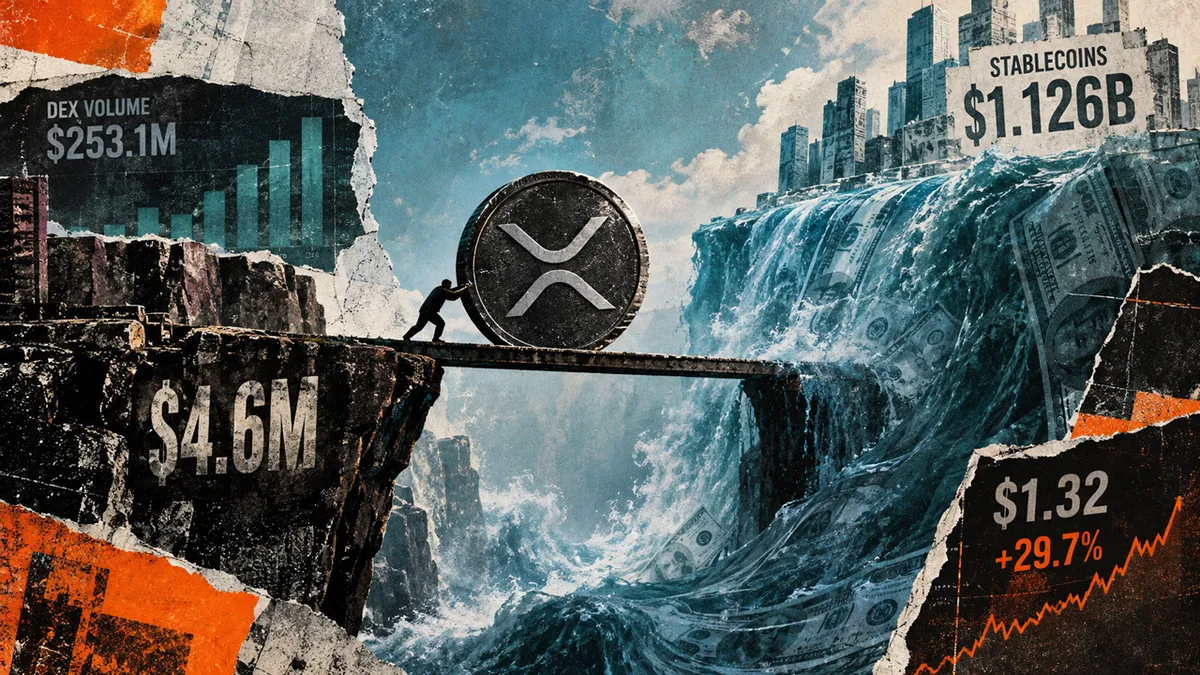
XRP's 30% rebound coincides with $4.6 million liquidity test in XRPL's stablecoin surge

XRP Ledger just quietly activated critical foundation for its upcoming new lending protocol

Staked ether should be seen as the benchmark of the decentralized economy

Trading stocks against BONER is the latest trend for DeFi degens
