Why 90% of your DeFi trades are quietly being routed back to Wall Street market makers
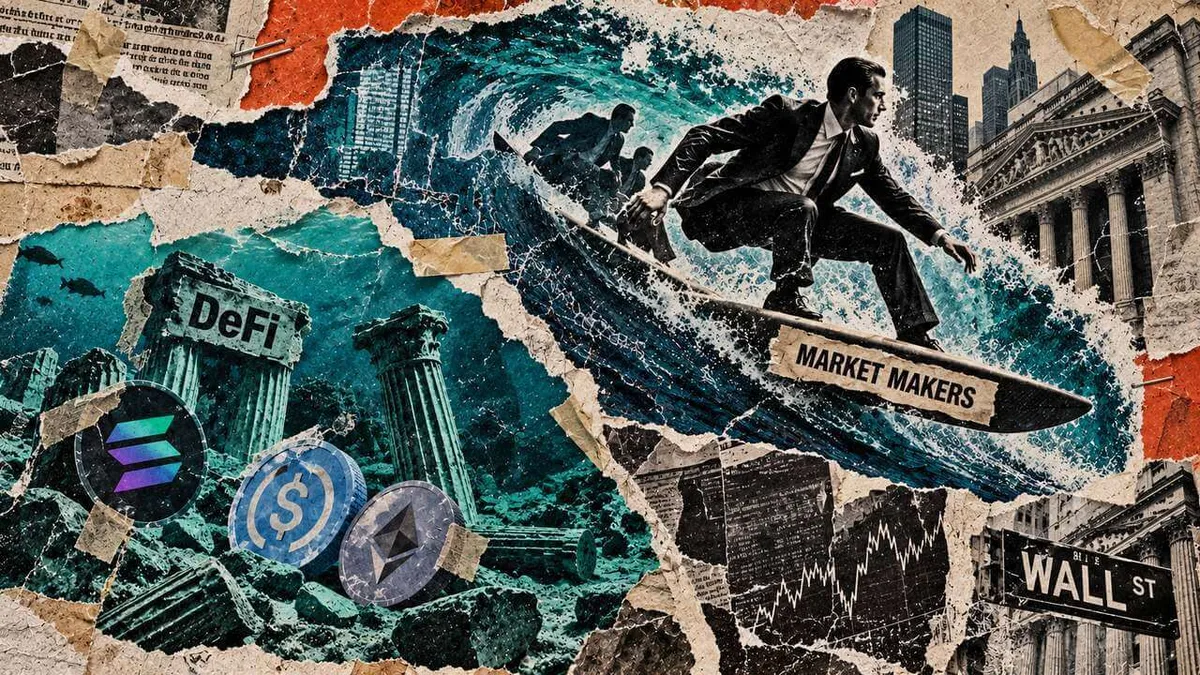
Recent insights reveal that about 90% of trades conducted in decentralized finance (DeFi) platforms, such as those using the Jupiter aggregator, are effectively routed back to traditional Wall Street market makers. Users engaging in simple token swaps, like exchanging SOL for USDC, may believe they are directly participating in a decentralized environment. However, the underlying mechanics indicate that these trades are often facilitated by established financial institutions, leveraging their liquidity and market-making capabilities. This routing process is often obscure to the average user, who may not fully understand the extent of traditional financial influence in the DeFi space.
The background of this phenomenon can be traced back to the rapid evolution of DeFi over recent years. While the initial promise of DeFi was to create a fully decentralized trading experience free from traditional financial intermediaries, the reality has proven more complex. As users flock to platforms that promise ease of use and efficiency, they inadvertently connect with centralized liquidity pools and market makers. These entities, often based on Wall Street, provide essential liquidity that many DeFi protocols rely on to function effectively, thus blurring the lines between decentralized and centralized finance.
Understanding the implications of this trend is crucial for market participants. The reliance on Wall Street market makers raises questions about the true decentralization of DeFi platforms and whether users are genuinely receiving the benefits associated with decentralized trading. If most trades are routed through traditional financial institutions, it could undermine the foundational principles of DeFi, such as transparency and autonomy. Furthermore, this reliance may create vulnerabilities, especially during market volatility, where centralized entities could exert significant influence over liquidity and pricing.
Industry reactions to this revelation have been varied. Some experts argue that the integration of Wall Street's market-making expertise is necessary for the maturation of the DeFi ecosystem, providing stability and liquidity that can enhance user experience. Others, however, express concern that this trend may dilute the original ethos of DeFi, leading to potential regulatory scrutiny and a loss of user trust. The debate continues as industry leaders and participants navigate the balance between convenience and the preservation of decentralized principles.
Looking ahead, the future of DeFi may hinge on how effectively these platforms can manage their relationships with traditional market makers. It will be essential for DeFi protocols to transparently communicate their liquidity sources and the implications of these partnerships to their users. As the market evolves, there may be a push for more innovative solutions that retain the benefits of decentralization while still leveraging the advantages provided by established financial entities.

CoinMagnetic Team
Crypto investors since 2017. We trade with our own money and test every exchange ourselves.
Updated: September 2026
From our insights:
Related news
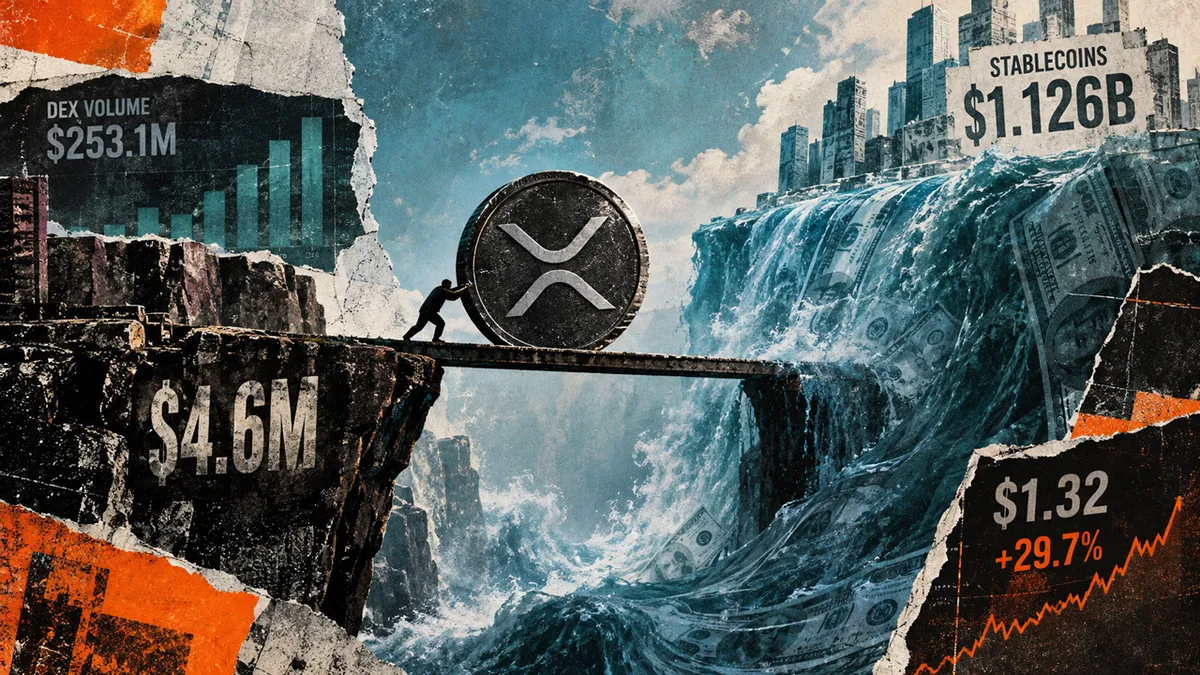
XRP's 30% rebound coincides with $4.6 million liquidity test in XRPL's stablecoin surge
XRP Ledger just quietly activated critical foundation for its upcoming new lending protocol

Staked ether should be seen as the benchmark of the decentralized economy

Trading stocks against BONER is the latest trend for DeFi degens

BitMine controls nearly 12% of Ethereum's staked ETH, raising custody concerns
