The banking lobby is wrong about stablecoins and community banks
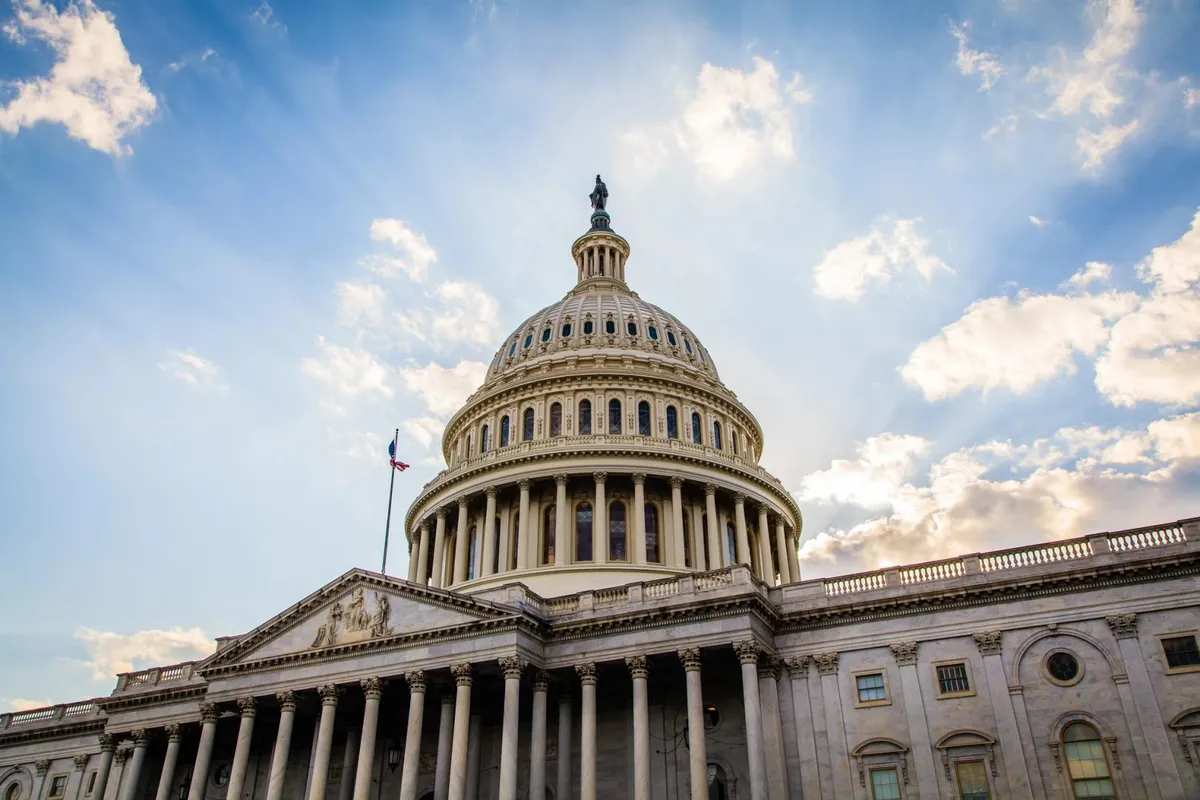
Recently, Ryne Saxe, the CEO of Eco, has voiced a strong opinion regarding the ongoing debate over stablecoins and their perceived threat to community banks. In a recent statement, he cautioned Congress against implementing measures that could stifle the growth and innovation associated with stablecoins–one of the most promising advancements in payment infrastructure. Saxe argues that the banking lobby's concerns about stablecoins undermining the stability of community banks are not only unfounded but also detrimental to the overall progress of financial technology. He emphasizes that rather than protecting these banks from a nonexistent threat, lawmakers should embrace the potential benefits that stablecoins can bring to the financial landscape.
To understand the gravity of Saxe's statements, it is essential to consider the context surrounding stablecoins and community banks. Stablecoins are digital currencies pegged to traditional assets, usually fiat currencies like the US dollar. They have gained significant traction in recent years, providing a reliable medium of exchange and a bridge between cryptocurrencies and traditional finance. Community banks, on the other hand, have historically served local populations but are facing increased competition from fintech firms and larger banking institutions. As the financial environment continues to evolve, the fear among community banks is that stablecoins could siphon off their customer base, leading to further consolidation in the banking sector.
This discussion is crucial for the broader financial market as it highlights the tension between innovation and regulation. Stablecoins offer the potential for faster, cheaper transactions and enhanced financial inclusivity, but they also raise concerns about consumer protection and systemic risk. If Congress decides to impose restrictions on stablecoins due to lobbying pressure, it could stifle innovation in the fintech space, ultimately harming consumers who stand to benefit from improved payment systems. As the market continues to adapt to these new technologies, finding a balance between fostering innovation and ensuring regulatory safeguards will be paramount.
Industry experts have echoed Saxe's sentiments, suggesting that the banking lobby's fears may be overstated. Many believe that rather than viewing stablecoins as a direct threat, community banks could leverage this technology to enhance their services and compete more effectively in the market. By adopting stablecoin technology, smaller banks might find new ways to engage customers and streamline operations. Furthermore, some analysts argue that a healthy coexistence between traditional banks and innovative financial products like stablecoins could lead to a more resilient financial ecosystem.
Looking ahead, the outcome of this debate will play a significant role in shaping the future of payment technologies and the banking sector. As Congress grapples with the implications of stablecoins, it will be essential for stakeholders from all sectors–banks, fintech companies, and consumers–to engage in constructive dialogue. The decisions made in the coming months will not only determine the regulatory framework for stablecoins but could also influence the direction of financial innovation for years to come. As the situation unfolds, the focus will undoubtedly remain on finding solutions that support both community banks and the growing landscape of digital currencies.

CoinMagnetic Team
Crypto investors since 2017. We trade with our own money and test every exchange ourselves.
Updated: June 2026
From our insights:
Related news

Lummis blames Democrats for failed crypto Clarity Act vote

Federal approval won’t guarantee success for Agora, Catena, and Bastion

Regulatory clarity on crypto relies on officials, not Congress, says White House

PQLN enhances Bitcoin's quantum safety but raises privacy concerns for Lightning

Canada's major banks consider tokenized deposits for interbank payments