Thailand's new crypto regulations require enhanced data collection for transfers
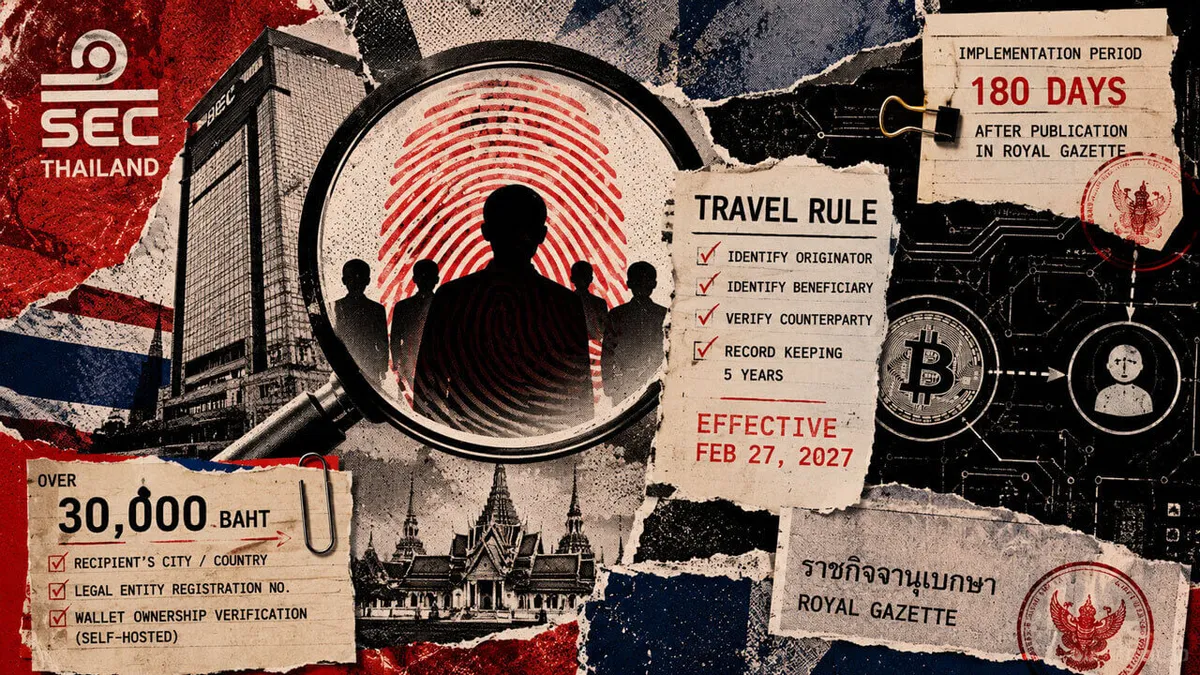
Thailand has introduced significant new regulations aimed at enhancing the oversight of cryptocurrency transactions. Licensed operators are now mandated to collect recipient data for all transfers, while additional details must be gathered for transactions exceeding 30,000 baht. Furthermore, the rules stipulate that certain self-hosted wallets will require verification, marking a pivotal shift in the regulatory landscape for crypto in the region.
This regulatory development comes amidst a global trend towards increased scrutiny of cryptocurrency practices, with governments around the world seeking to establish clearer frameworks to prevent illicit activities. Thailand's move reflects the nation's ongoing efforts to balance innovation in the crypto space with the need for consumer protection and transparency. The Thai government has been proactive in its approach to cryptocurrency, having previously implemented measures aimed at ensuring market integrity and security.
The implications of these new rules could be substantial for the cryptocurrency market in Thailand. By tightening the requirements for transactions, the regulations may lead to reduced anonymity for users, which could deter some individuals from engaging in crypto trading or transactions. However, this also positions Thailand as a more compliant jurisdiction, potentially attracting institutional investors who prioritize regulatory clarity and security in their operations.
Industry reactions have been mixed, with some experts praising the government’s efforts to create a more secure environment for crypto transactions. Others, however, have expressed concerns that such regulations might stifle innovation and push users towards less regulated markets. The emphasis on data collection and verification could also raise questions about privacy and the practical challenges of compliance for smaller operators in the space.
Looking ahead, it will be crucial to monitor how these regulations are implemented and enforced. The Thai government’s approach to cryptocurrency could serve as a model for other nations grappling with similar challenges. As the market adapts to these new rules, stakeholders will need to assess their impact on trading volumes, user behavior, and the overall growth of the crypto ecosystem in Thailand.

CoinMagnetic Team
Crypto investors since 2017. We trade with our own money and test every exchange ourselves.
Updated: September 2026
From our insights:
Related news
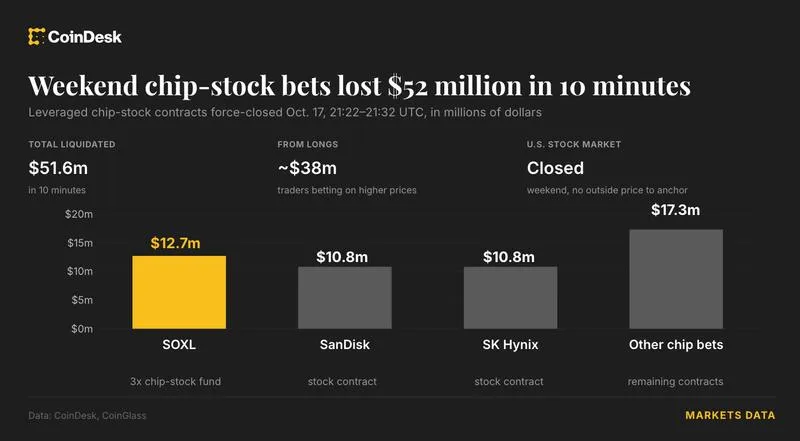
Traders lose $52 million on chip-stock contracts in 10 minutes during market closure

Turkey confirms Hex founder Richard Heart’s arrest, says police seized $7.15 million and six cold wallets

Defend American Jobs commits another $7 million to unseat Ohio Senator Sherrod Brown

StepFun opens pre-orders for STEPX Neo in China at 3,999 yuan

Smart token management lowers AI costs and boosts model performance