Texas Residents Sue MARA Holdings Over Bitcoin Mining Noise
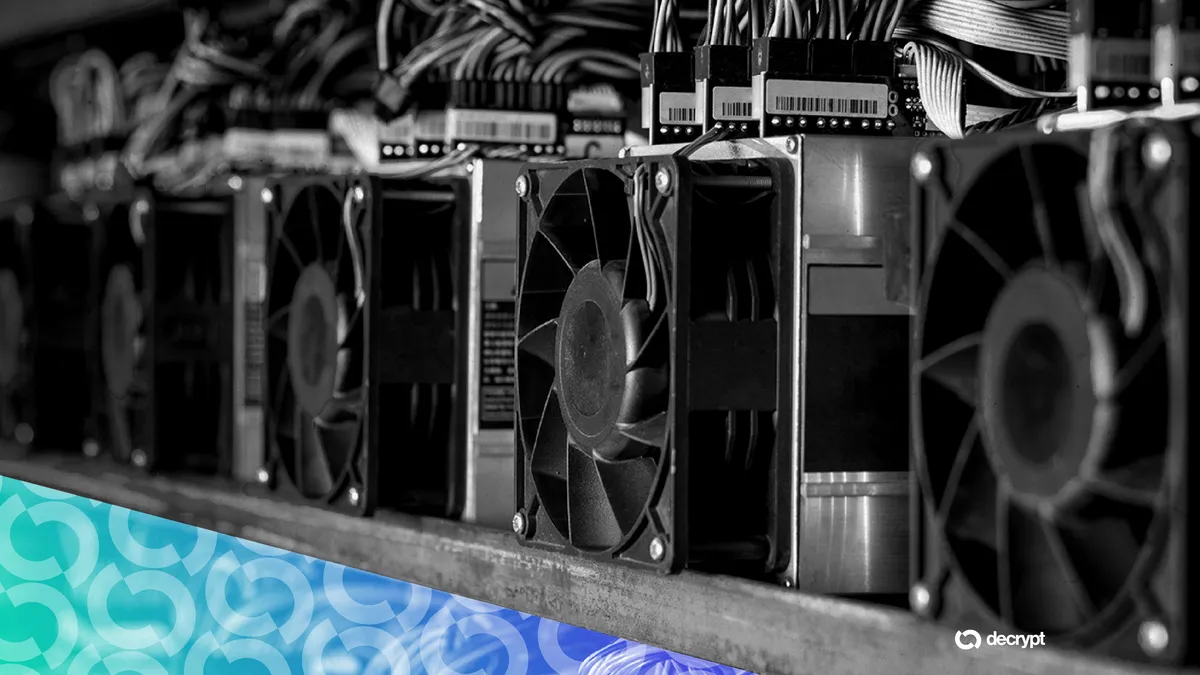
Residents of Granbury, Texas, have taken legal action against MARA Holdings, a subsidiary of Marathon Digital Holdings, due to complaints about excessive noise emanating from the company's Bitcoin mining operations. The lawsuit highlights the growing tension between cryptocurrency mining companies and local communities, particularly as these firms expand their activities to accommodate emerging technologies like artificial intelligence. Residents claim that the noise generated from the mining operations has disrupted their quality of life, leading them to seek legal redress.
The backdrop to this legal dispute is the rapid rise of cryptocurrency mining in Texas, which has become a hotspot for such operations due to its favorable regulatory environment and access to inexpensive energy. As the demand for Bitcoin has surged, so too has the number of mining facilities, with many companies, including MARA Holdings, setting up shop in rural areas. This growth has raised concerns among residents about environmental impacts, noise pollution, and the strain on local resources. The pivot to AI infrastructure by these mining companies adds another layer of complexity, suggesting a shift in focus that could further exacerbate tensions with local communities.
This lawsuit is significant not only for the residents of Granbury but also for the broader cryptocurrency market. Legal challenges like this one can create uncertainty for mining operations, influencing investor sentiment and potentially leading to increased regulatory scrutiny. As the cryptocurrency industry evolves and adapts to new technologies, the outcomes of such legal battles could set important precedents regarding operational standards and community relations. A negative ruling for MARA Holdings might lead to stricter regulations for mining companies, which could affect profitability and operational strategies across the sector.
Industry experts have expressed mixed opinions about the lawsuit. Some believe it reflects a necessary push for greater accountability and transparency within the cryptocurrency mining sector, while others argue that it may stifle innovation and growth in a burgeoning industry. Many industry advocates stress the importance of balancing community interests with technological advancement, suggesting that better communication and engagement between mining companies and local residents could mitigate conflicts. As the cryptocurrency landscape continues to evolve, the industry’s ability to address these emerging challenges may play a crucial role in its long-term sustainability.
Looking ahead, the outcome of the lawsuit could have far-reaching implications for not just MARA Holdings but the entire cryptocurrency mining industry in Texas and beyond. If the court sides with the residents, we may see increased pressure on other mining operations to address noise and environmental concerns. Alternatively, a ruling in favor of MARA could embolden other companies to expand their operations without fear of legal repercussions. As the situation unfolds, both the cryptocurrency community and residents will be watching closely to see how this legal battle shapes the future of mining in Texas.

CoinMagnetic Team
Crypto investors since 2017. We trade with our own money and test every exchange ourselves.
Updated: May 2026
From our insights:
Related news

Trump's AI czar position may go to US Treasury secretary, reports say

Solana's Alpenglow upgrade aims to reduce finality from 12.8 seconds to 150 milliseconds
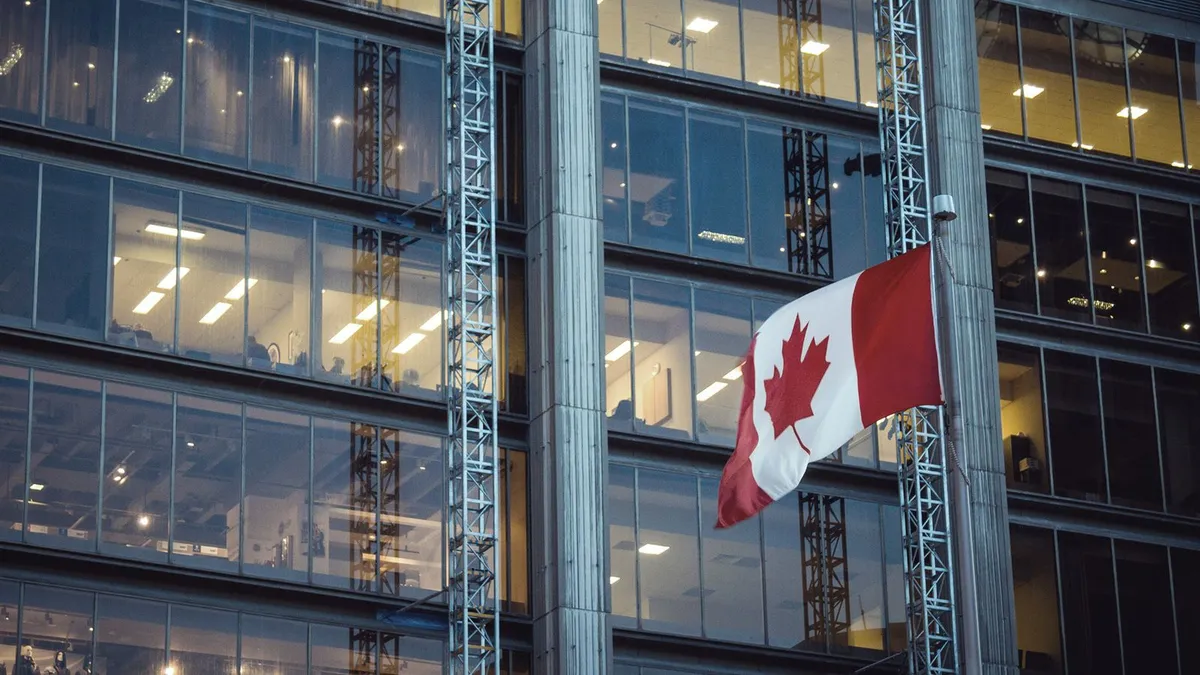
Canada’s big six banks explore tokenized deposit system to modernize payments
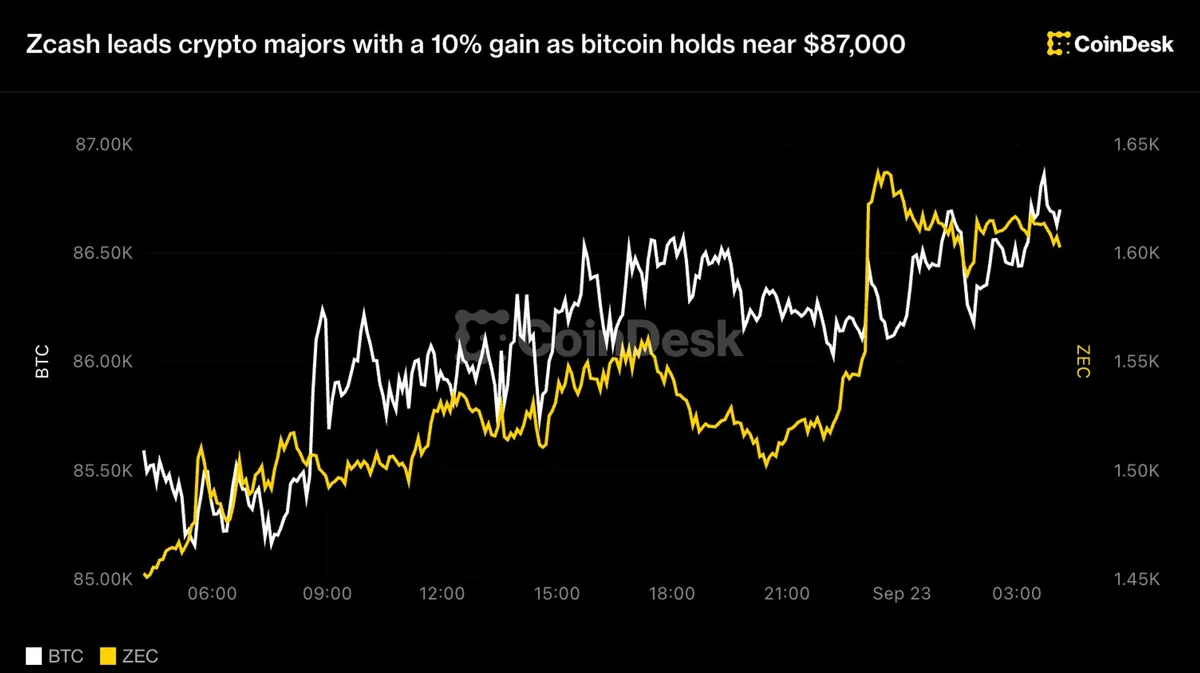
Zcash outperforms major cryptos with 10% gain as bitcoin nears $87,000
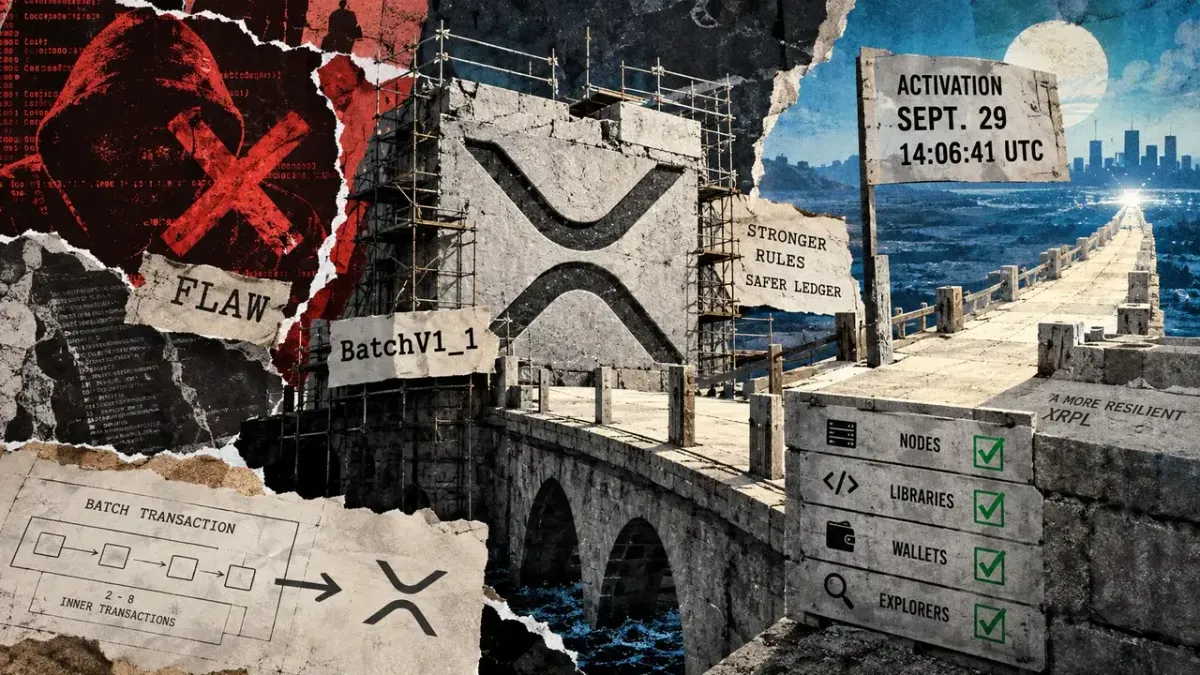
XRPL's amendment addresses signer gap but risks linger for client apps