Tether trades 8.5% above India’s dollar rate as policy pressure hits USDT access

Tether (USDT) has recently been trading at an alarming 8.5% premium over India’s dollar rate, reflecting the significant impact of policy enforcement on stablecoin accessibility in the region. The rise in the premium suggests that local demand for Tether is outpacing its supply, driven by regulatory pressures that have made it increasingly challenging for users to access USDT through traditional financial channels. This situation highlights the complexities surrounding stablecoins in markets where regulatory frameworks are still evolving, leading to increased costs for consumers seeking to transact in cryptocurrency.
To provide some context, India has been grappling with a tumultuous regulatory landscape surrounding cryptocurrencies. In recent months, enforcement actions targeting cryptocurrency exchanges and stablecoin access have intensified, creating an environment where liquidity is constrained. As a result, users seeking to trade or hold USDT are faced with higher costs, as the available supply diminishes and demand remains strong. The situation is particularly pronounced in India, where the local currency's depreciation against the dollar exacerbates the need for stable assets like USDT.
This premium on Tether is significant for the broader market, as it underscores the challenges that users face in obtaining stablecoins in regions with stringent regulations. A high premium can deter investors and traders from entering the market, limiting the overall growth of cryptocurrency adoption within the country. Furthermore, it raises questions about the efficiency of existing financial systems and the potential for stablecoins to bridge gaps in liquidity, especially in emerging markets where traditional banking services may be underdeveloped.
Industry experts have expressed concern over this developing situation, emphasizing the need for clearer regulatory frameworks that can foster a more stable environment for cryptocurrency trading. Some analysts argue that without addressing these regulatory hurdles, the premium on stablecoins like Tether may continue to rise, leading to further fragmentation in the market. Others believe that as more regulated financial rails are established, the liquidity issues could eventually ease, providing users with better access to stablecoins at more competitive rates.
Looking ahead, the key question remains how regulators in India will approach the evolving landscape of cryptocurrencies and stablecoins. If clearer guidelines are established, it could pave the way for increased liquidity and reduced premiums on stablecoins. However, until such measures are implemented, the current situation may persist, leaving users to navigate a challenging environment marked by high costs and limited access to essential financial tools. As developments unfold, we will continue to monitor the impact of these regulatory pressures on the market and the overall accessibility of stablecoins in the region.

CoinMagnetic Team
Crypto investors since 2017. We trade with our own money and test every exchange ourselves.
Updated: June 2026
From our insights:
Related news
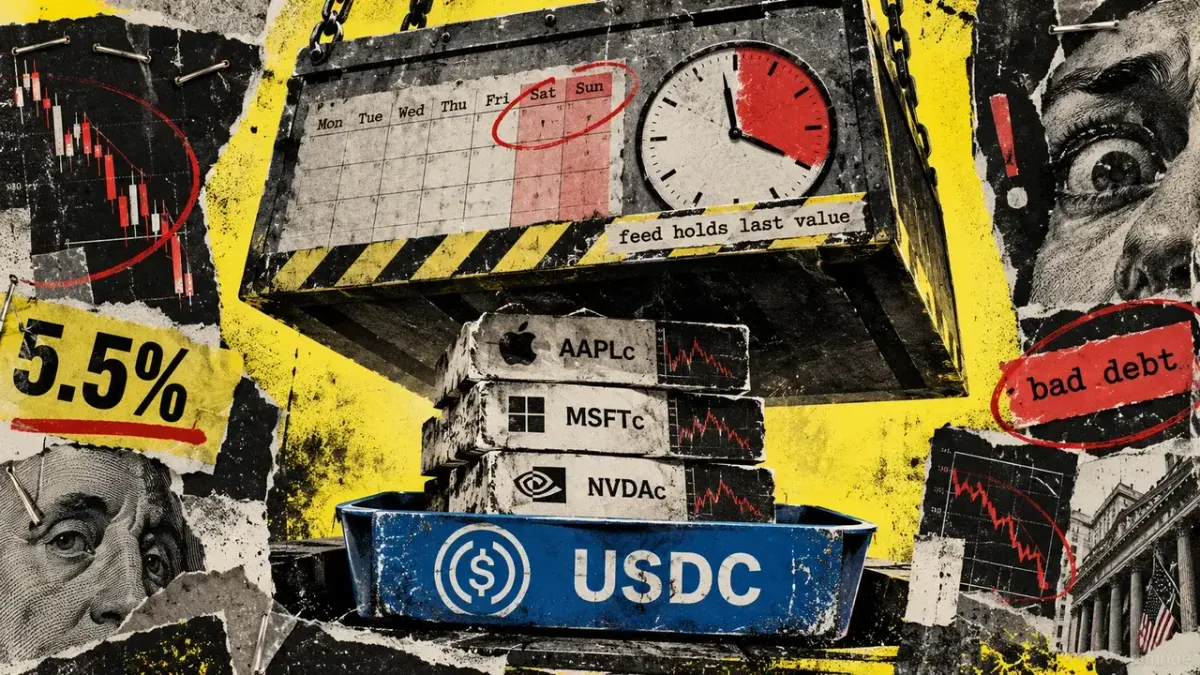
Aave's stock-token loans risk $21 million in USDC exposure over weekend

SEC staff’s staking-token split spotlights the exit risks behind staked ETH tokens

September 30 deadline looms for EU's decision on DeFi lending future
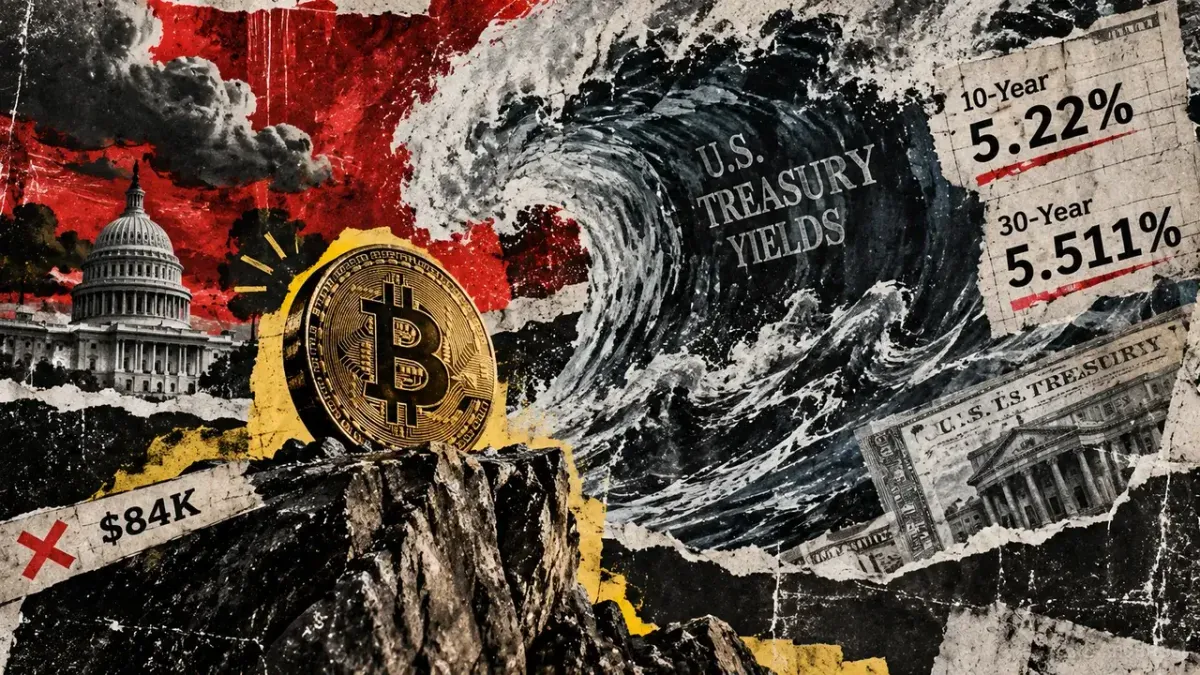
Bitcoin remains steady near $84,000 amid 5.2% Treasury yield spike

Aave V4 on Base adds Coinbase tokenized stocks as collateral for USDC loans