EIP-8361 proposal aims to adjust Ethereum validator rewards as staking hits 34%

Recent developments in the Ethereum network have seen staking ratios rise to 34%, prompting researchers to file a new proposal known as EIP-8361. This proposal introduces a concept termed "tapered issuance burn," which aims to mitigate the increasing validator rewards by destroying a larger portion of these rewards as the staking ratio continues to grow. The intention behind this proposal is to ensure a more balanced economic model within the Ethereum ecosystem as it transitions to a proof-of-stake consensus mechanism.
The background of this proposal can be traced back to the Ethereum network's shift from proof-of-work to proof-of-stake, which fundamentally changed how validators are rewarded. With the rise in staking participation, there is a potential risk of inflationary pressure on the network, leading to concerns about the long-term sustainability of rewards for validators. EIP-8361 seeks to address these concerns by implementing a strategy that adjusts the distribution of rewards based on the overall staking participation.
The implications of EIP-8361 for the market are significant. By reducing the issuance of rewards for validators as staking increases, the proposal aims to create a more deflationary environment for ETH, potentially increasing its value over time. This adjustment could attract more long-term investors who are interested in the stability and sustainability of Ethereum's economic model, fostering confidence in the network's future.
Industry experts have reacted to the proposal with cautious optimism. Many acknowledge the necessity of addressing the economic dynamics of validator rewards, especially as staking becomes more prevalent. However, some are concerned about the potential impact on short-term incentives for validators, which could affect participation rates. The discussions surrounding EIP-8361 highlight the delicate balance Ethereum must maintain between rewarding validators and maintaining a sustainable issuance model.
Looking ahead, the proposal will likely undergo further scrutiny and discussions within the Ethereum community. As stakeholders weigh the benefits and drawbacks of EIP-8361, the outcome will influence not only the immediate structure of validator rewards but also the broader economic landscape of Ethereum. Monitoring how the community reacts and adapts to these changes will be crucial in understanding the future trajectory of the network.

CoinMagnetic Team
Crypto investors since 2017. We trade with our own money and test every exchange ourselves.
Updated: August 2026
From our insights:
Related news

September 30 deadline looms for EU's decision on DeFi lending future

Bitcoin remains steady near $84,000 amid 5.2% Treasury yield spike

Aave V4 on Base adds Coinbase tokenized stocks as collateral for USDC loans
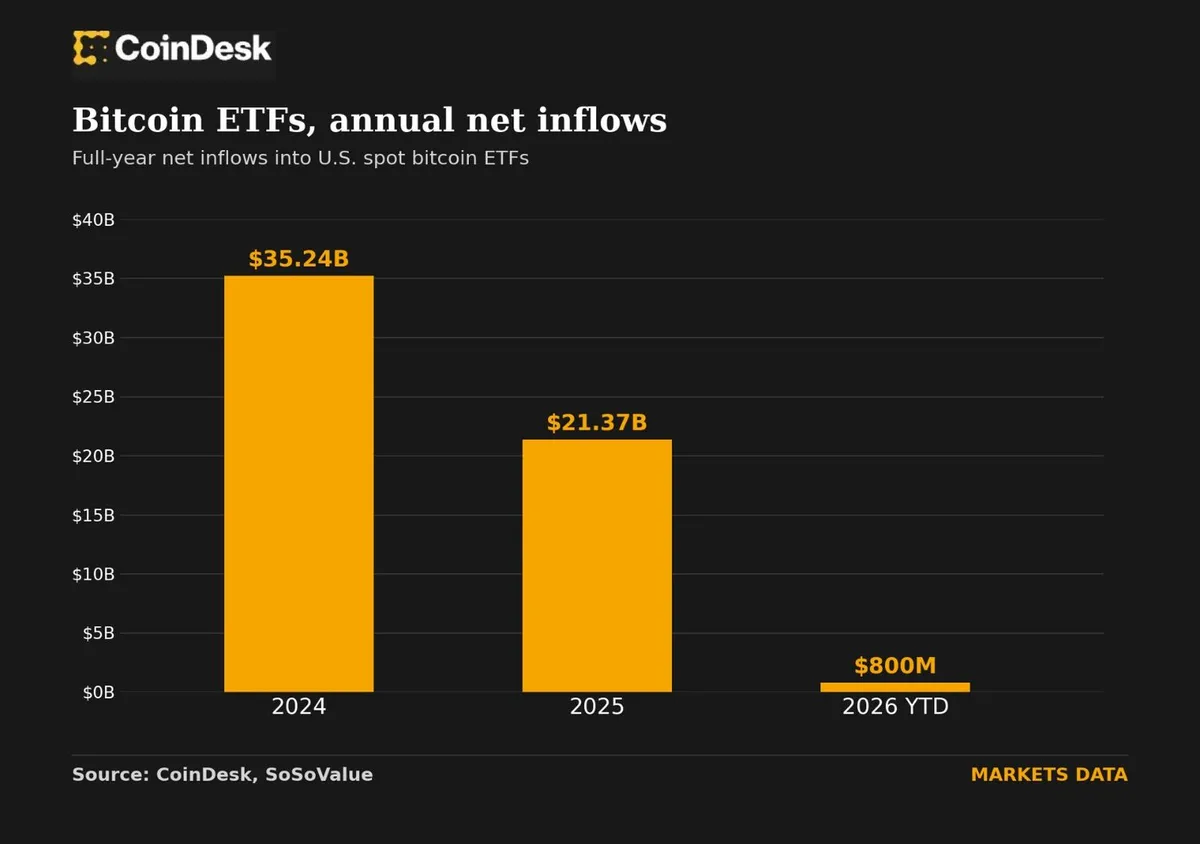
Bitcoin ETFs shift from $5.8 billion outflows to $800 million inflows in 2026
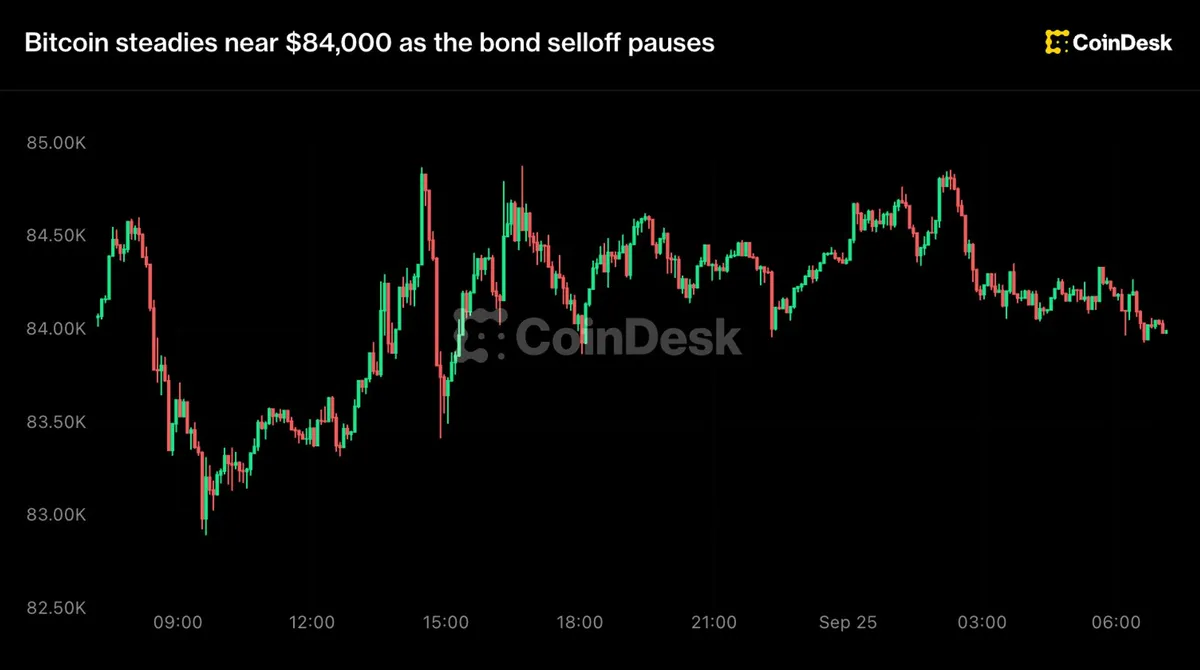
Bitcoin holds near $84,000 as Treasury yields ease amid bond selloff pause