Bitcoin remains steady near $84,000 amid 5.2% Treasury yield spike
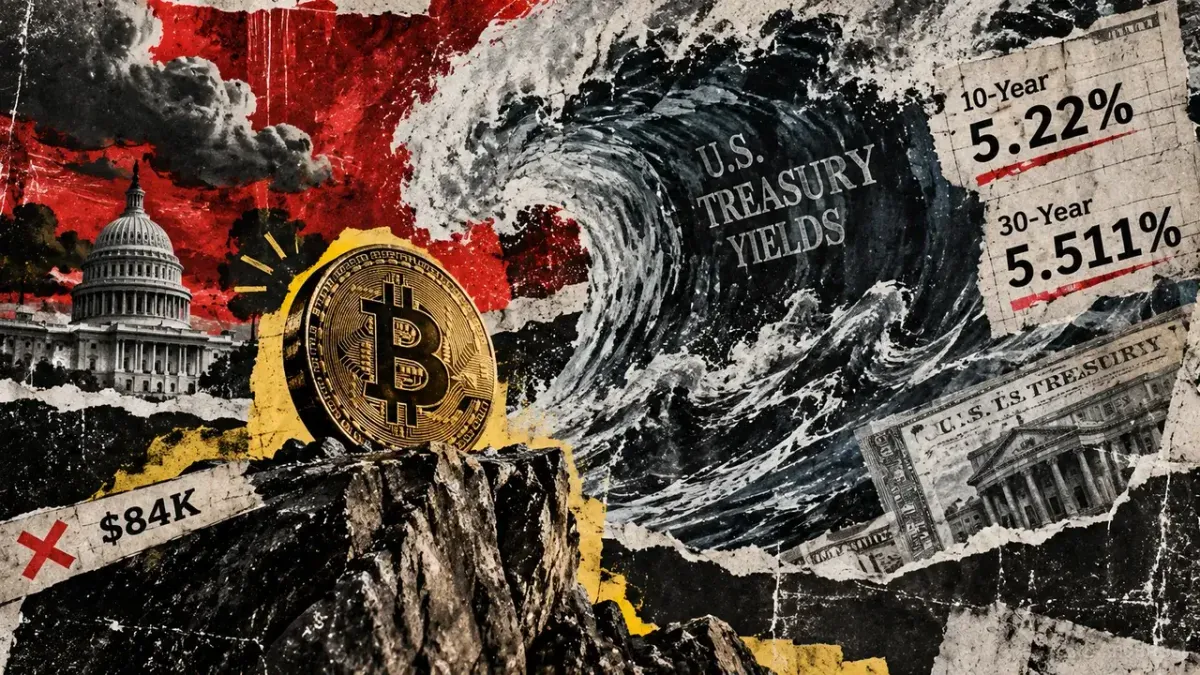
Bitcoin has demonstrated resilience by holding steady near the $84,000 mark, despite a significant selloff in U.S. Treasuries that has driven yields to levels not seen in decades. The benchmark 10-year Treasury yield surged to 5.22%, marking the highest borrowing costs since 2007. Meanwhile, the 30-year yield reached a new 22-year high of 5.5185% before slightly retreating to around 5.511%. This spike in yields reflects a broader trend affecting various asset classes, including cryptocurrencies.
The current surge in Treasury yields can be traced back to rising inflation expectations and the Federal Reserve's ongoing efforts to combat inflation through interest rate hikes. As borrowing costs increase, investors are reassessing their portfolios, leading to significant movements in both the bond and equity markets. This environment has historically placed downward pressure on risk assets, such as Bitcoin, due to its speculative nature and the high leverage commonly used in trading.
For the cryptocurrency market, Bitcoin's ability to maintain its price amidst this volatility is noteworthy. The reduction of $1.7 billion in leveraged positions indicates that traders are becoming more cautious, opting to deleverage in response to the shifting financial landscape. This could suggest a growing awareness of the risks associated with high leverage, particularly in a volatile environment characterized by rising interest rates and economic uncertainty.
Market analysts have had mixed reactions to the current situation. Some view Bitcoin's stability as a sign of maturity and a potential safe haven against traditional financial market volatility, while others caution that the ongoing rise in Treasury yields could eventually impact investor sentiment towards cryptocurrencies. Experts are keeping a close eye on the interplay between rising yields and Bitcoin's performance, as any further increases could lead to increased selling pressure in the crypto space.
Looking ahead, the trajectory of Bitcoin will likely depend on upcoming economic data and Federal Reserve policies. If inflation continues to run hot, further hikes in interest rates may be on the table, which could create additional volatility for both traditional and digital assets. Conversely, if there are signs of easing inflation or a shift in monetary policy, Bitcoin could see renewed interest from investors seeking alternative assets.

CoinMagnetic Team
Crypto investors since 2017. We trade with our own money and test every exchange ourselves.
Updated: September 2026
From our insights:
Related news

Aave V4 on Base adds Coinbase tokenized stocks as collateral for USDC loans
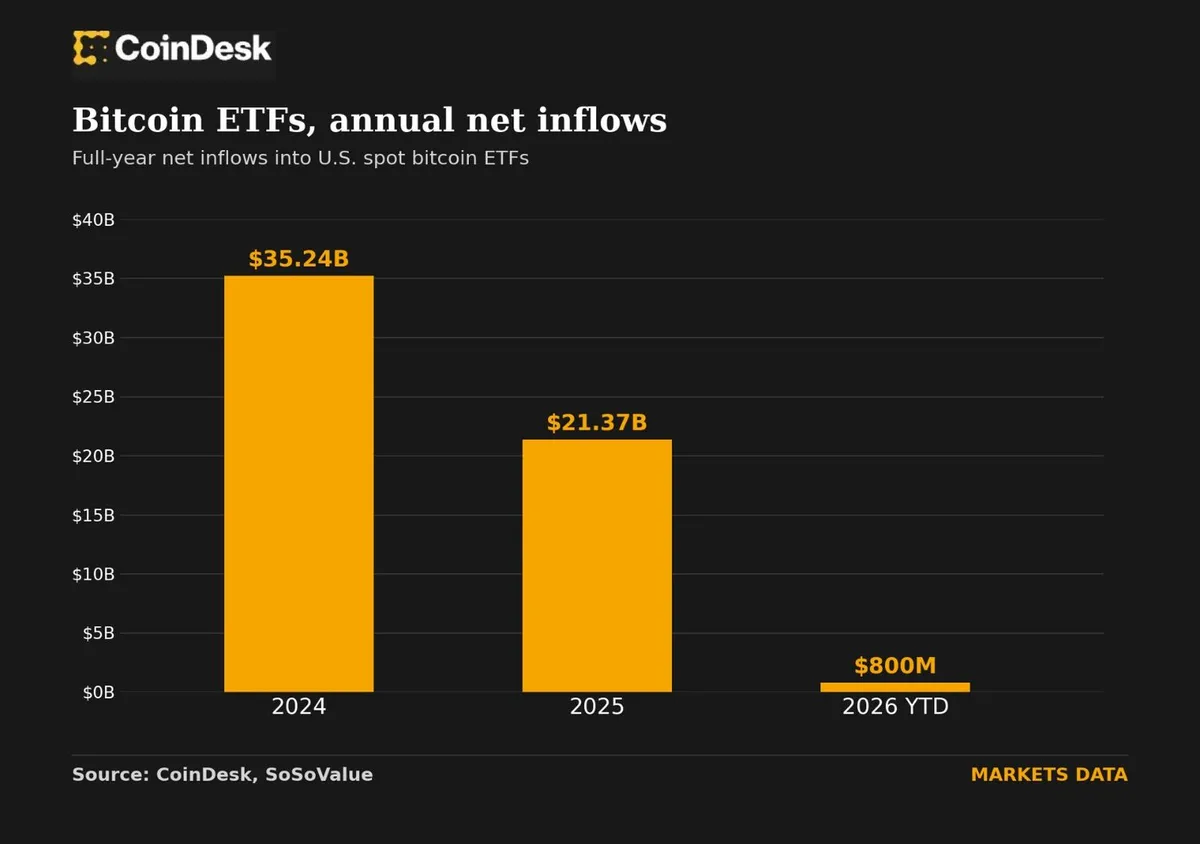
Bitcoin ETFs shift from $5.8 billion outflows to $800 million inflows in 2026
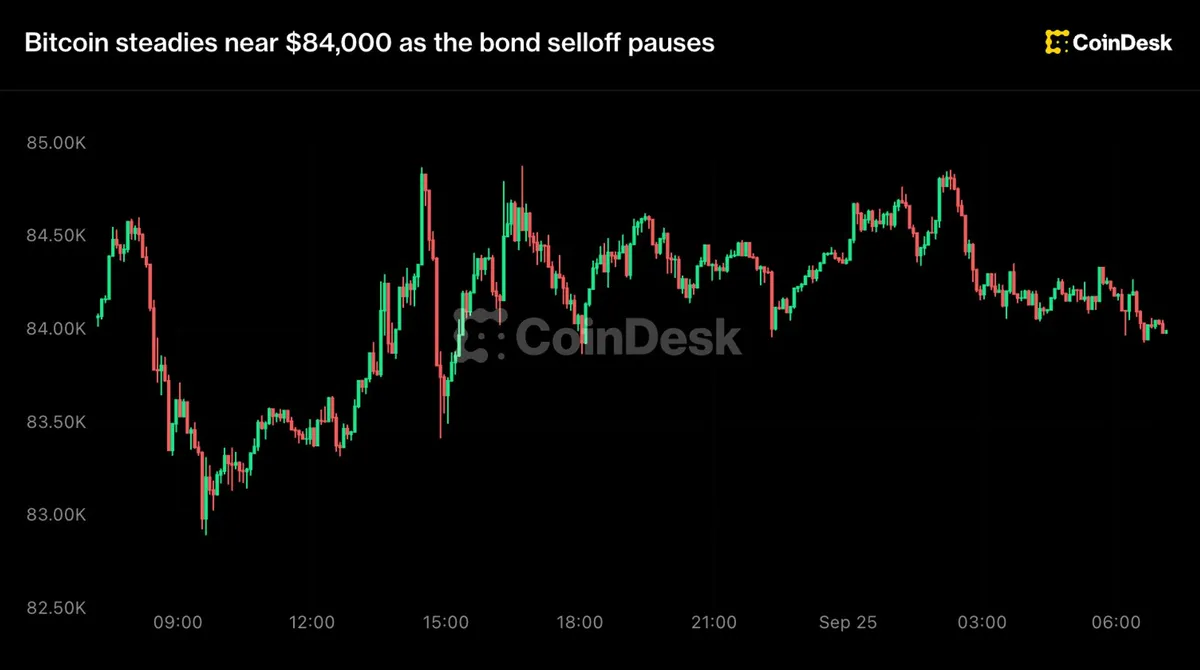
Bitcoin holds near $84,000 as Treasury yields ease amid bond selloff pause
Over $170 million in crypto transferred from Bitget to unknown address

RockawayX launches $150 million initiative to enhance DeFi yields