Synthetic tokenized stocks are bad for American investors
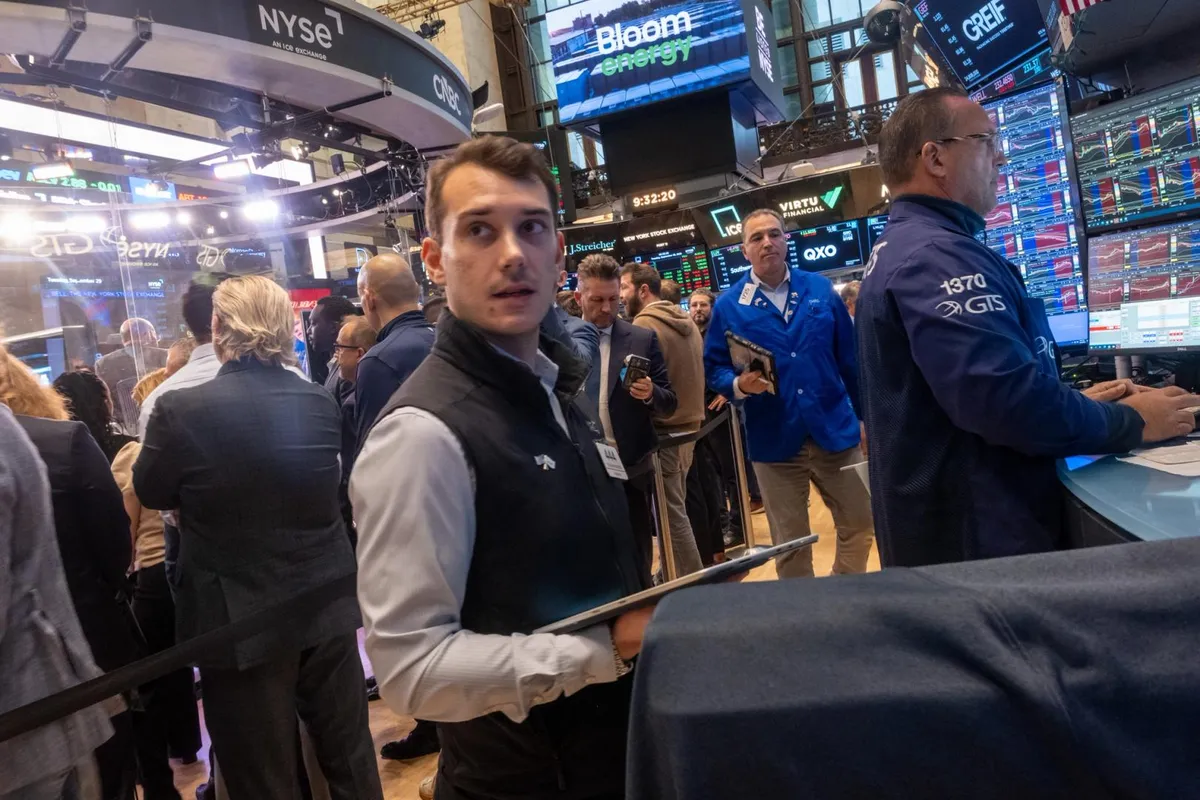
Aaron Kaplan, founder of Promethum, recently voiced concerns regarding synthetic tokenized stocks, arguing that these financial instruments pose significant risks to American investors. Kaplan emphasizes that the U.S. markets are esteemed globally for their robust framework, where ownership of shares is unequivocally clear and trustworthy. However, he warns that synthetic models, which mimic the value of stocks rather than represent actual ownership, dilute this essential trust and could ultimately harm investors.
The concept of synthetic tokenized stocks is not new, but its implications for the American market are becoming increasingly critical. Unlike traditional stocks, which confer ownership rights and entitlements to dividends and voting, synthetic stocks are derivatives that offer exposure to the price movements of underlying assets without actual ownership. This model, while appealing for its accessibility and liquidity, raises questions about the transparency and integrity of the investment. Kaplan's insights highlight a growing concern about the erosion of trust in U.S. financial markets, which have thrived on the principle of clear ownership.
This matter is crucial as it could reshape how investors perceive value and security in the stock market. The very foundation of the U.S. capital markets is built on investor confidence, and the introduction of synthetic stocks could create a divide between actual ownership and perceived value. This situation may lead to a hesitance among traditional investors, who might fear that their investments are less secure than before. As synthetic stocks gain traction, their influence could potentially destabilize the established norms that have made the U.S. markets the envy of the world.
Industry experts have responded with mixed reactions. Some see the potential for innovation and democratization of investing through synthetic stocks, arguing that they can enhance liquidity and provide greater access to a broader range of investors. However, others echo Kaplan's concerns, warning that the lack of clarity and ownership rights may dissuade participation from more conservative investors. The debate is ongoing, with many in the financial community weighing the benefits of innovation against the risks of compromising trust and transparency.
Looking ahead, the future of synthetic tokenized stocks in the U.S. is uncertain. Regulatory scrutiny is likely to increase as authorities seek to understand the implications for market integrity and investor protection. If these instruments continue to grow in popularity, it may prompt a reevaluation of regulations governing synthetic assets. For American investors, the key will be to navigate this evolving landscape while maintaining a focus on trust and transparency, essential elements that have historically defined their market.

CoinMagnetic Team
Crypto investors since 2017. We trade with our own money and test every exchange ourselves.
Updated: October 2026
From our insights:
Related news

Minecraft, Candy Crush Among 11 Games in EU Virtual Currency Crackdown

Citi Lifts 12-Month Bitcoin Target to $113K, Ethereum to $3K
Bitcoin holds steady at $84,000 after strong quarterly performance

Lloyds, Visa settle $750,000 using USDC in live cross-border pilot

Tokenized markets diverge from traditional trading patterns, finds Dune