Bitcoin starts new quarter hovering in $82,000-$85,000 range
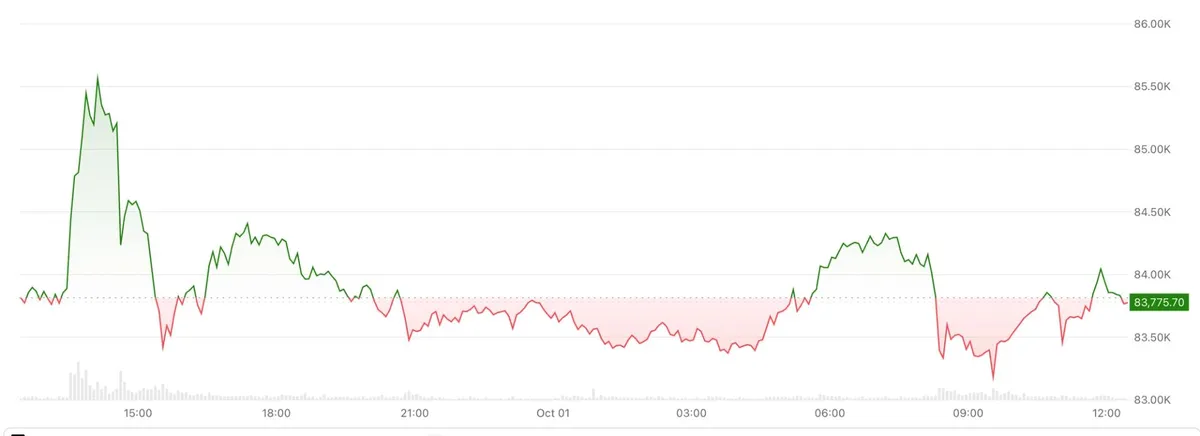
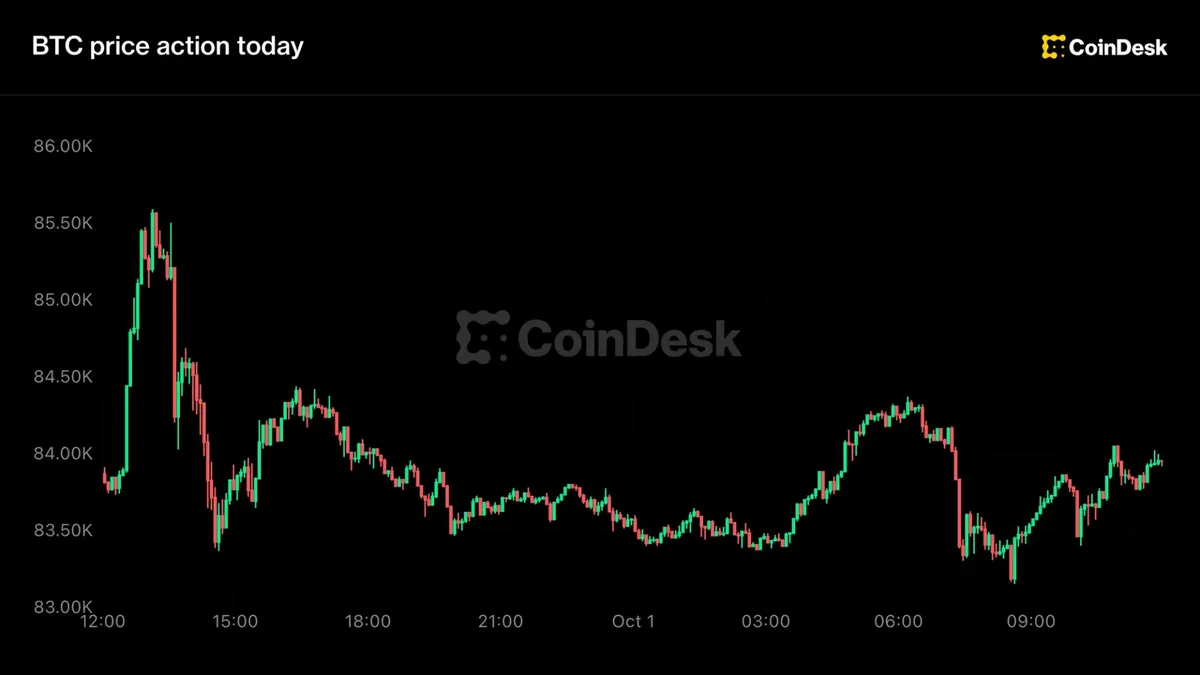
Bitcoin prices experienced a brief surge, topping $85,000 on Wednesday, as recent U.S. inflation data came in weaker than anticipated. This unexpected economic indicator has cooled expectations surrounding potential Federal Reserve interest rate hikes, which has historically influenced market sentiment for cryptocurrencies. However, despite this momentary spike, bullish momentum could not be sustained, and the price retreated back into the established range of $82,000 to $85,000. Additionally, spot exchange-traded funds (ETFs), which many had hoped would provide further support, failed to bolster the price action significantly.
To understand the current situation, it's essential to consider the broader economic backdrop. The recent inflation report indicated that inflationary pressures may be easing, which typically leads to speculation about the Federal Reserve's monetary policy. In the past, such developments have often resulted in positive price movements for risk assets like Bitcoin. However, the market's inability to maintain the higher price point suggests a cautious sentiment among investors, reflecting uncertainties about the sustainability of this rally.
This development matters for the market as it highlights the ongoing struggle for Bitcoin to break out of its current trading range. The $82,000 to $85,000 price zone has become a significant psychological barrier for traders. The inability to hold over $85,000 raises questions about whether the market is ready for a substantial breakout or if it will continue to be range-bound. The interplay between macroeconomic factors and Bitcoin's price movements is crucial for traders and investors alike, as they navigate these turbulent waters.
Industry reactions have varied, with some analysts expressing optimism over the potential for future price increases if inflation continues to moderate. Others, however, are more skeptical, noting that the recent price action indicates a lack of strong buying pressure. Experts emphasize that while the weakening inflation data is a positive sign, the market's reaction suggests that traders remain cautious, waiting for clearer signals before committing to larger positions.
Looking ahead, market participants are likely to keep a close eye on upcoming economic indicators and any statements from the Federal Reserve that could influence interest rate expectations. Furthermore, the performance of Bitcoin in relation to the established price range will be critical in determining whether it can build momentum for a breakout or if it will continue to oscillate between these levels. As the new quarter unfolds, all eyes will be on Bitcoin to see how it responds to these evolving economic conditions.

CoinMagnetic Team
Crypto investors since 2017. We trade with our own money and test every exchange ourselves.
Updated: October 2026
From our insights:
Related news

Minecraft, Candy Crush Among 11 Games in EU Virtual Currency Crackdown

Citi Lifts 12-Month Bitcoin Target to $113K, Ethereum to $3K
Bitcoin holds steady at $84,000 after strong quarterly performance

Lloyds, Visa settle $750,000 using USDC in live cross-border pilot

Synthetic tokenized stocks are bad for American investors