STRC preferred stock investors are mispricing major 'dislocation' risk: Analyst

Recent analysis has highlighted a significant risk for investors holding preferred perpetual stocks, particularly those of STRC. The report suggests that these stocks are currently mispriced, presenting a major "dislocation" risk that could create substantial challenges for shareholders. The surge in government bond yields and potential liquidity contractions in secondary markets are key factors that analysts believe could adversely impact these investments. As government borrowing costs rise, the allure of fixed-income securities like bonds can draw capital away from equities, including preferred stocks, which may exacerbate the existing volatility in the market.
To understand the implications of this analysis, it is crucial to consider the broader economic landscape. Over the last few months, government bond yields have been on an upward trajectory, driven by various factors including inflationary pressures and changing monetary policies. As yields rise, investors often seek safer, higher-yielding alternatives, prompting a shift away from riskier assets. Coupled with the potential for liquidity issues in secondary markets, particularly amid economic uncertainty, the environment for preferred stockholders appears increasingly precarious.
This situation matters greatly for the market because preferred stocks, often viewed as a safer bet compared to common stocks, could face significant headwinds. If investors begin to reassess their positions, fearing a liquidity crunch or diminishing returns, it could lead to a broader sell-off. Such a scenario would not only affect STRC but could also have ripple effects throughout the preferred stock market, creating a more volatile investment landscape as shareholders scramble to adjust their portfolios in response to changing economic conditions.
Industry reactions have been varied, with some analysts expressing concern over the potential mispricing of these assets. Experts warn that the disconnect between perceived safety and the underlying risks could lead to a rude awakening for many investors. While some maintain that preferred stocks can still provide value in a diversified portfolio, others caution against overexposure, particularly in light of rising yields and liquidity issues. The consensus seems to lean towards a more cautious approach, urging investors to reassess their risk tolerance and market outlook.
Looking ahead, the potential for further fluctuations in government bond yields and liquidity conditions will be critical to monitor. Investors may need to stay vigilant, as any shifts in monetary policy or economic indicators could impact preferred stocks more than anticipated. For those involved in the preferred stock market, a strategic reassessment may be necessary to navigate the evolving landscape and mitigate associated risks effectively. As the situation develops, ongoing analysis will be essential to understanding how these factors shape market dynamics and investor sentiment in the coming months.

CoinMagnetic Team
Crypto investors since 2017. We trade with our own money and test every exchange ourselves.
Updated: May 2026
From our insights:
Related news

Solstice CEO predicts less volatile future for crypto cycles amid liquidity growth

Pragma flags 6 price feeds as critical risk following $3.5M Starknet lending exploit

Ethereum's $120 billion in staking masks underlying supply dynamics

NEAR price surges 80% weekly as Intents volume approaches $30 billion
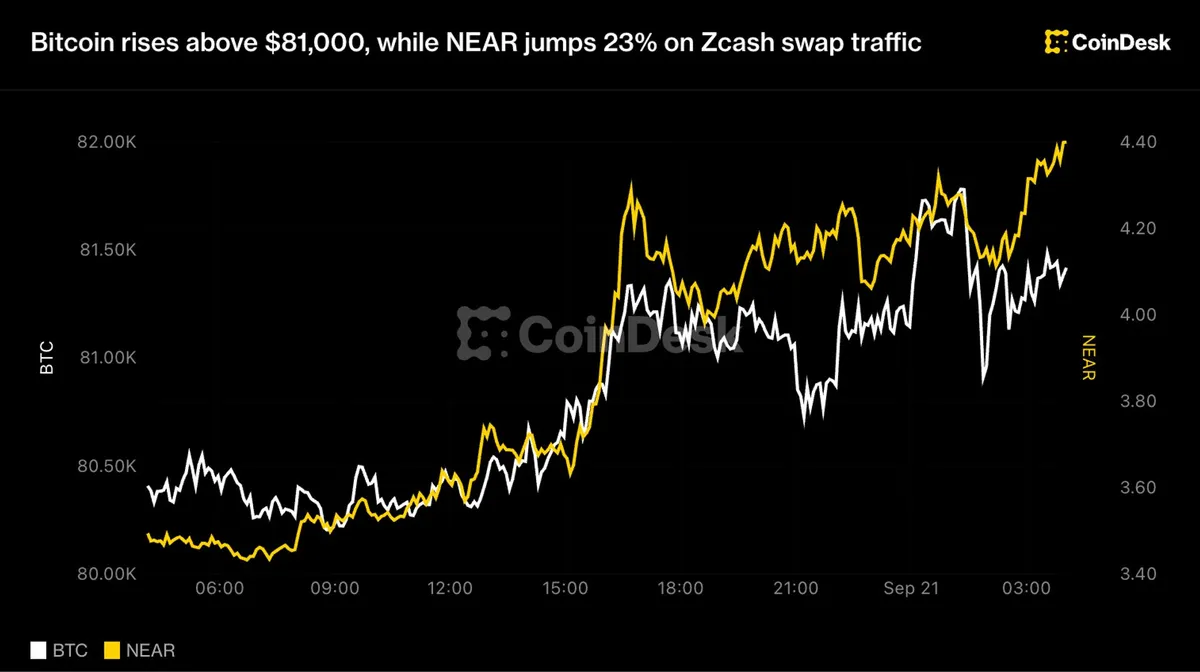
Bitcoin surpasses $81,000 as NEAR surges 23% amid Zcash swap activity