Strategy buys 34,164 bitcoin for $2.54 billion, third-largest purchase on record

Last week, a significant event in the cryptocurrency market took place as a prominent investment strategy acquired 34,164 Bitcoin for a staggering $2.54 billion. This purchase marks the third-largest acquisition of Bitcoin on record, showcasing the growing institutional interest in the digital asset. The funding for this acquisition came from the strategic sale of the company's perpetual preferred stock, known as STRC, along with common stock. This move highlights the increasing reliance of institutional investors on innovative financing methods to capitalize on the potential of cryptocurrencies.
To provide some context, this purchase comes at a time when Bitcoin has been experiencing a resurgence in both price and interest. Following periods of volatility, many investors are seeking to position themselves advantageously as the market shows signs of recovery. The timing of this acquisition also aligns with broader trends in the crypto space, where institutions are beginning to view Bitcoin not just as a speculative asset but as a viable alternative to traditional stores of value. This shift has been fueled by macroeconomic factors, including inflation concerns and an increasingly uncertain economic landscape.
The implications of this large-scale purchase are significant for the market. It reinforces the narrative that Bitcoin is becoming a mainstream asset class, especially among institutional investors. As more large purchases occur, it could potentially drive up demand and price, creating a self-reinforcing cycle of interest and investment. Furthermore, this acquisition may prompt other institutions to reevaluate their portfolios and consider increasing their exposure to Bitcoin, possibly leading to further market volatility and fluctuations in price based on institutional buying behavior.
Industry experts have shared mixed reactions to this development. Some analysts view this purchase as a bullish signal, suggesting that it could lead to a new wave of institutional adoption and positively impact Bitcoin's price trajectory. Others, however, caution against overreacting to large purchases, noting that while they can drive sentiment, they also bring risks of market manipulation and speculative bubbles. Overall, the acquisition has sparked discussions around the sustainability of such large-scale investments and their long-term impact on the cryptocurrency ecosystem.
Looking ahead, we anticipate that this acquisition could lead to increased scrutiny from regulators and market participants alike. As institutional involvement in the crypto space grows, so too will the calls for clearer regulations that govern such transactions. Additionally, it will be interesting to observe whether this purchase prompts other firms to follow suit, potentially leading to a series of similar large-scale acquisitions. The evolving landscape of institutional investment in Bitcoin will likely remain a key area of focus for both investors and analysts in the coming months.

CoinMagnetic Team
Crypto investors since 2017. We trade with our own money and test every exchange ourselves.
Updated: April 2026
From our insights:
Related news
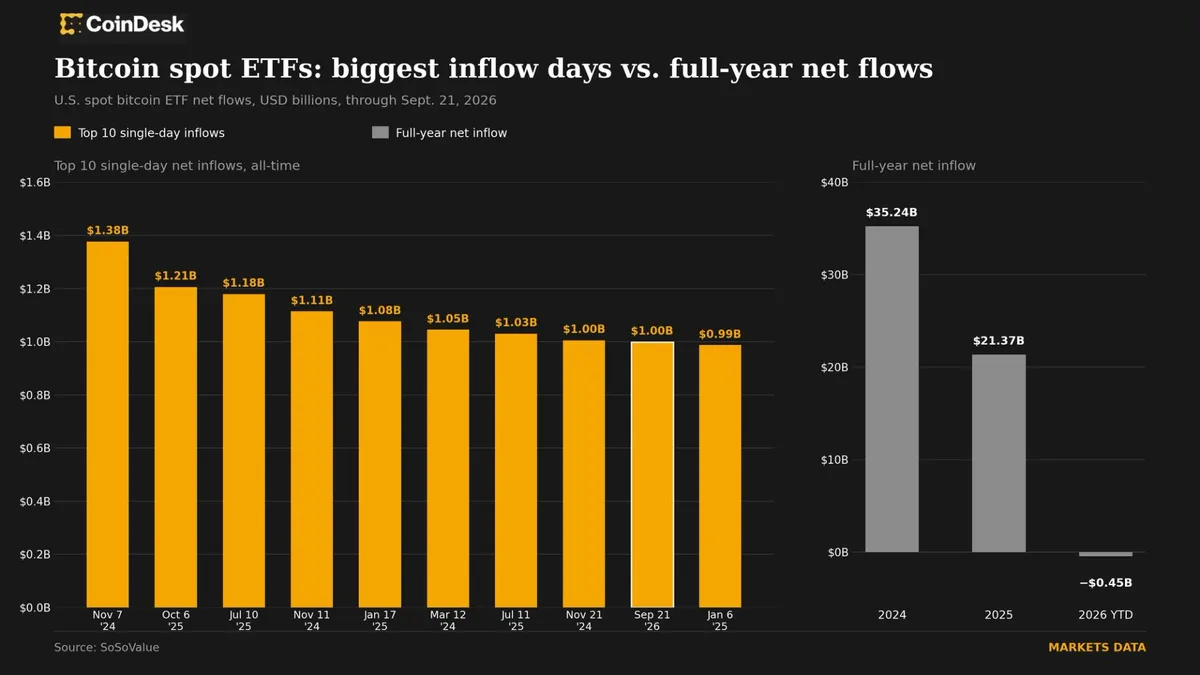
Spot bitcoin ETFs see nearly $1 billion inflow as bitcoin hits January highs

US spot Bitcoin ETFs see nearly $1 billion inflow, highest since October 2025

Bitcoin's rise to $86,000 restores profitability for ETF investors

Apple and Google seek crypto experts, signaling potential stablecoin initiatives

ECB initiates bond purchases using its own funds in crypto-linked system