Stellar CEO says Clarity Act would help, but tokenization isn't dependent on it
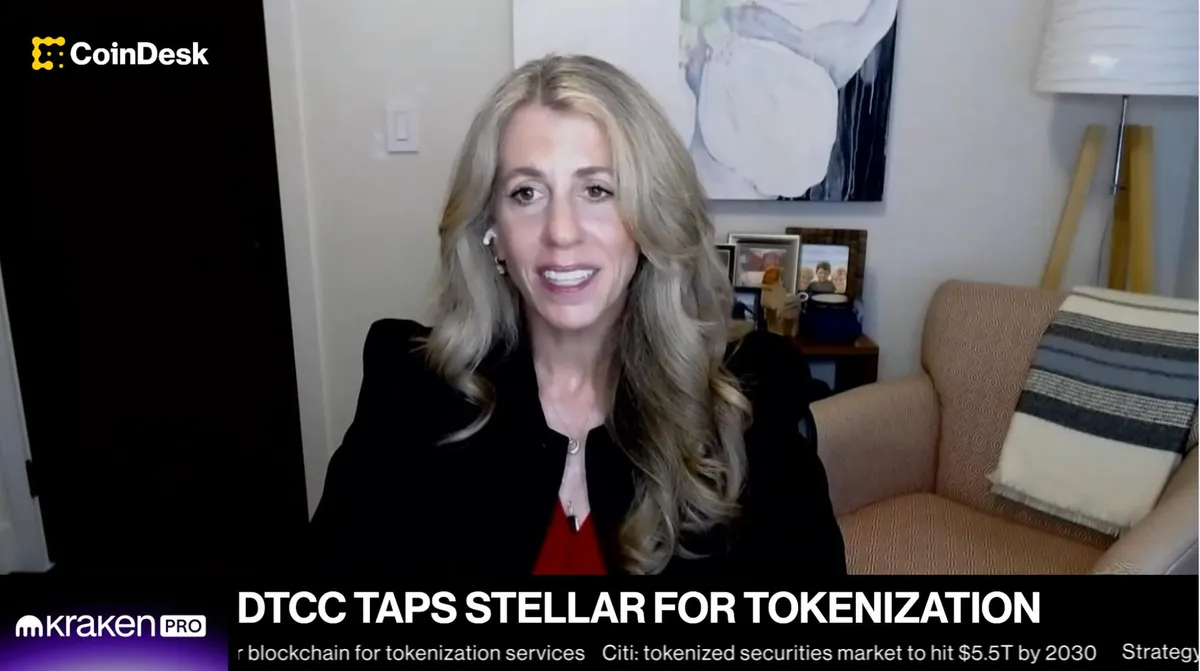
In a recent statement, the CEO of Stellar highlighted the significance of the Clarity Act in advancing the tokenization of assets, while also asserting that such progress does not hinge exclusively on this legislation. This commentary comes in light of the Depository Trust & Clearing Corporation's (DTCC) decision to link its tokenized securities platform with the Stellar network. This integration marks an important milestone in the adoption of public blockchains for institutional applications, suggesting a growing recognition of the utility of blockchain technology in traditional finance.
To provide some context, the Clarity Act aims to establish a clearer regulatory framework for digital assets, which many industry players believe is essential for the widespread adoption of blockchain technologies. For Stellar, the connection with DTCC represents a significant endorsement from one of the financial industry's most influential entities. The DTCC’s move is indicative of a broader trend where traditional financial institutions are increasingly exploring the benefits of tokenized assets, such as enhanced efficiency, transparency, and security in transactions.
The implications of this partnership for the market are profound. As public blockchains like Stellar gain traction among institutional players, we may see an accelerated shift toward the tokenization of various asset classes, including equities, bonds, and real estate. This could lead to increased liquidity in markets that have traditionally been illiquid, as well as lowered barriers to entry for investors. Furthermore, the decision by DTCC to adopt blockchain technology could catalyze other financial institutions to follow suit, potentially resulting in a domino effect that reshapes the financial landscape.
Industry reactions have been largely positive, with experts noting that the collaboration between Stellar and DTCC could serve as a model for other blockchain initiatives in the financial sector. Many industry insiders have pointed out that while regulatory clarity is beneficial, the success of tokenization will ultimately depend on the technology's ability to deliver real-world benefits to users. This perspective aligns with the Stellar CEO's assertion that progress in tokenization will continue to unfold regardless of legislative outcomes, driven by market demand and technological innovation.
Looking ahead, it will be crucial to observe how this partnership evolves and what further developments arise from the ongoing dialogue between regulators and the blockchain industry. As organizations like the DTCC take bold steps toward embracing blockchain, we may witness a significant transformation in how financial transactions are conducted. The intersection of traditional finance and innovative blockchain solutions could pave the way for a new era of efficiency and inclusivity in markets worldwide.

CoinMagnetic Team
Crypto investors since 2017. We trade with our own money and test every exchange ourselves.
Updated: June 2026
From our insights:
Related news

Reap aims to enhance cross-border FX with non-USD stablecoins including peso

ECB and EU central banks propose liquidity thresholds for stablecoins

Four GOP senators backing CLARITY Act seek changes to stablecoin provisions
US investigates Binance for potential Iran-linked trading violations

Crypto sector emerges as top donor with $206 million in midterms backing