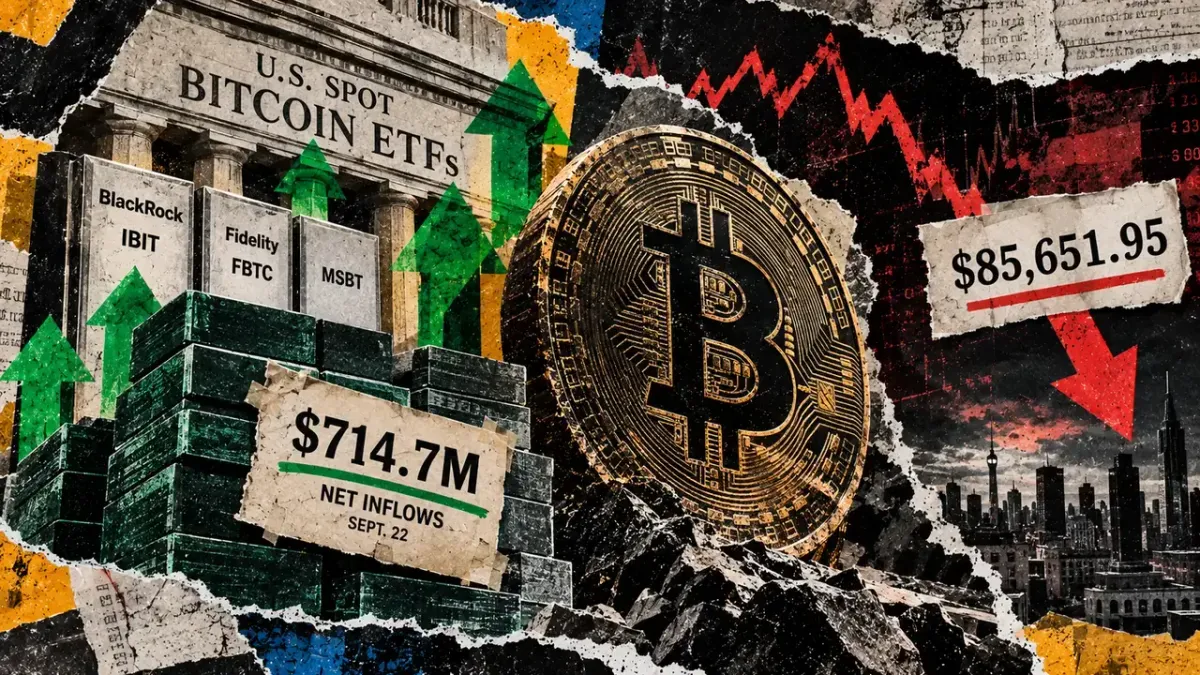
Stablecoins are quickly becoming the Kevin Warsh’s Fed’s next policy problem

In recent discussions surrounding the future of stablecoins, Kevin Warsh, a member of the Federal Reserve's Board of Governors, has highlighted the growing significance of these digital assets in the broader financial landscape. Warsh's remarks at a recent conference have shifted the narrative around stablecoins from merely being a tool for crypto-market participants to a central issue that could impact Treasury demand, bank funding, and global liquidity. This framing suggests that the implications of stablecoins extend far beyond the crypto community, potentially affecting traditional monetary policy and financial stability.
The rise of stablecoins has been meteoric, especially as they have gained traction among both retail and institutional investors. Initially designed to provide a stable digital asset pegged to traditional currencies, stablecoins have increasingly become a vital part of the financial ecosystem. Their ability to facilitate quick transactions and provide liquidity has made them attractive for various uses, including remittances, trading, and even savings. However, as their usage expands, so too do concerns regarding regulation, financial stability, and the potential for them to disrupt traditional banking systems.
This evolution in perception matters significantly for the market as it brings stablecoins under the scrutiny of regulators and policymakers. If stablecoins are to be viewed as a crucial component of financial infrastructure, they will likely face tighter regulations aimed at ensuring consumer protection and systemic stability. Such regulatory actions could impact how stablecoins are issued, backed, and utilized, ultimately influencing the broader cryptocurrency market. As market participants adjust to these potential changes, we may see shifts in investment strategies and a reevaluation of how stablecoins fit within the larger financial ecosystem.
Industry experts have responded to Warsh's comments with a mix of concern and optimism. Some believe that greater regulatory oversight could lend legitimacy to stablecoins, allowing them to integrate more seamlessly into traditional financial systems. Others, however, warn that excessive regulation could stifle innovation and limit the benefits that stablecoins bring to the table. The ongoing debate reflects a broader tension in the financial world–a desire for innovation balanced against the need for stability and protection against systemic risks.
Looking ahead, the discussions surrounding stablecoins are likely to intensify as regulators and industry stakeholders navigate this complex landscape. The Federal Reserve's stance on stablecoins, influenced by Warsh's insights, may lead to concrete policy proposals that could reshape the market. As we move forward, it will be crucial for market participants to stay informed about potential regulatory changes and adapt their strategies accordingly, as the implications of stablecoins evolve in tandem with the regulatory landscape.

CoinMagnetic Team
Crypto investors since 2017. We trade with our own money and test every exchange ourselves.
Updated: June 2026
From our insights:
Related news

BlackRock identifies $5 trillion AI-driven demand for stablecoins

Bitcoin's $80,000 breakout sparks institutional interest amid ETF inflows

NYSE, Blockchain.com in tie-up to bring tokenized US stocks to crypto users
BlackRock sees AI agents as potential drivers of crypto demand surge
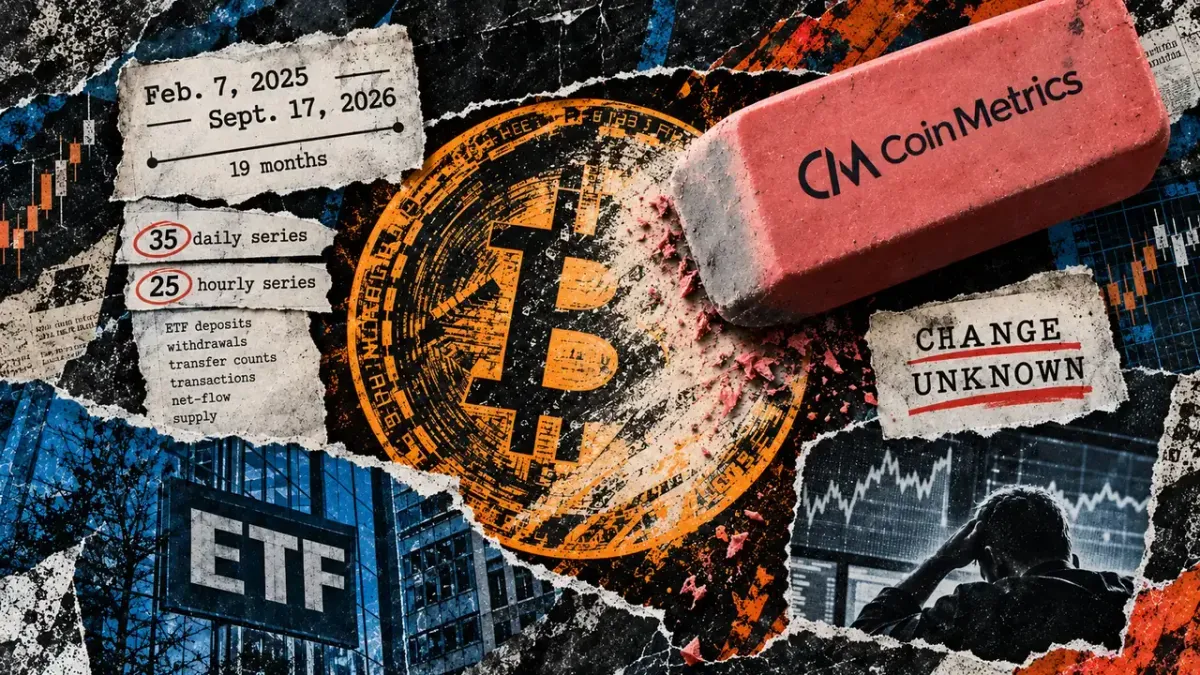
Coin Metrics revises 19 months of ETF wallet data but by how much?