BTCPay limits remote Lightning access after theft of funds from nodes
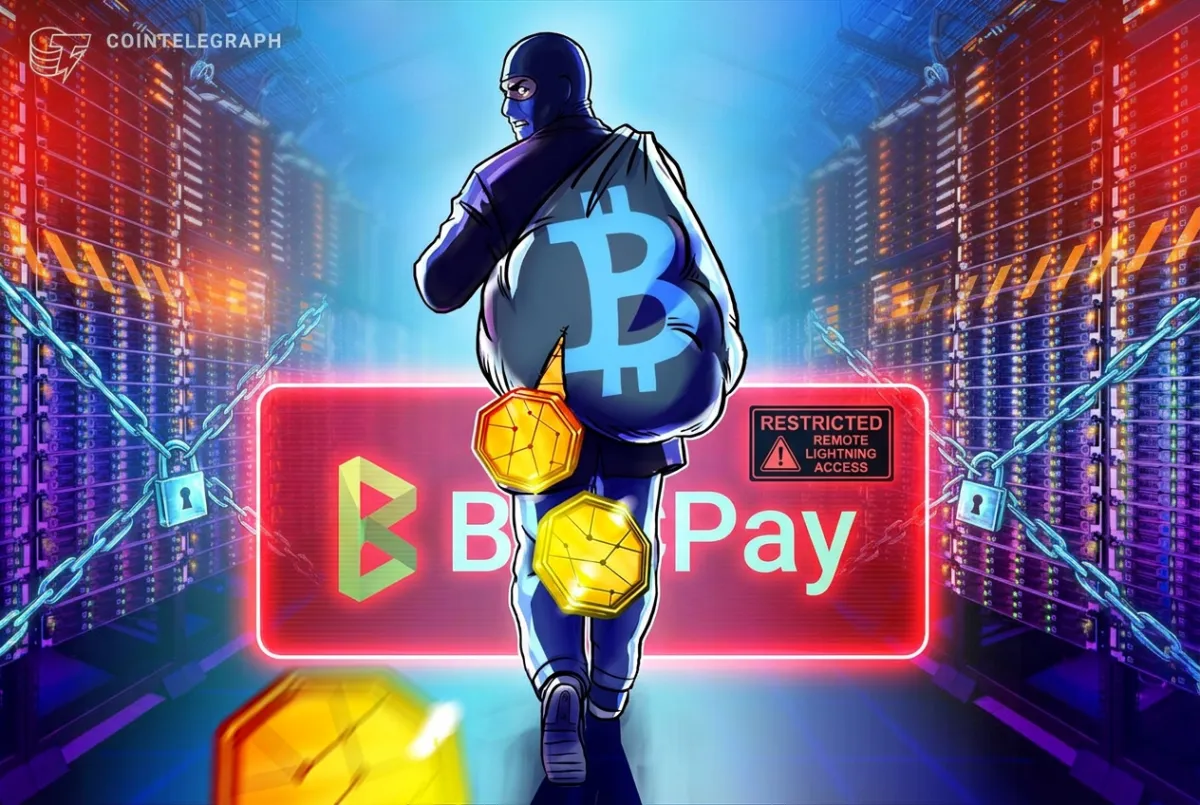
BTCPay has recently taken measures to restrict remote access to its Lightning Network services following reports of funds being stolen from drained Lightning nodes. These incidents were highlighted by the Foundation and Citadel21, which revealed that operators have experienced unauthorized withdrawals. While the total amount stolen and the exact number of affected operators remain undisclosed, the implications of these breaches have raised concerns across the community.
The Lightning Network, a second-layer solution built on top of Bitcoin, aims to facilitate faster and more cost-effective transactions. As the network has grown in popularity, it has attracted both legitimate users and malicious actors looking to exploit vulnerabilities. The recent attacks on BTCPay’s infrastructure reveal the ongoing security challenges that come with the rapid expansion of crypto services, especially those involving real-time transactions and third-party access.
This development is significant for the market as it underscores the importance of security in decentralized finance (DeFi) and cryptocurrency transactions. As more users and businesses adopt Lightning Network solutions, incidents of theft or breaches could lead to reduced confidence among users and may slow down the adoption of such technologies. The restrictions imposed by BTCPay may provide a temporary solution, but they could also hinder the convenience that remote access offers to legitimate users.
Industry reactions to the news have been mixed, with some experts expressing concern over the growing trend of attacks targeting crypto infrastructure. Cybersecurity specialists emphasize the need for robust security protocols and better monitoring systems to protect assets in the evolving landscape of digital finance. Furthermore, discussions are emerging around the necessity for platforms to implement stricter guidelines for remote access to enhance user safety.
Looking ahead, BTCPay's decision to restrict remote access could prompt other platforms to reevaluate their security measures in light of these incidents. As the community reacts and adjusts to this new reality, it is expected that ongoing dialogue around security best practices will be critical. Future developments will likely focus on improving the resilience of Lightning Network services to prevent similar breaches and maintain user trust.

CoinMagnetic Team
Crypto investors since 2017. We trade with our own money and test every exchange ourselves.
Updated: August 2026
From our insights:
Related news

FTX, Alameda-linked wallets send $75 million in ether to Wintermute, onchain data shows

AI agents will soon buy their own computing power and data using stablecoins, according to BlackRock
Zcash’s November upgrade could freeze funds in legacy Sprout pool

AI potential to drive crypto demand remains ‘underappreciated’: BlackRock

Crypto VC Hashed anchors new digital asset private credit fund targeting $300 million