Spot bitcoin ETFs log $649 million in net outflows, largest since January

Recent data reveals that spot Bitcoin exchange-traded funds (ETFs) have experienced significant net outflows totaling $649 million, marking the largest withdrawal since January. This trend comes at a time when Bitcoin is trading below $77,000, reflecting a broader market sentiment influenced by various external factors. Analysts point to rising geopolitical tensions, persistent inflation fears, and increasing U.S. Treasury yields as key contributors to this downturn in investor confidence.
To understand the dynamics behind these outflows, it's essential to consider the environment surrounding Bitcoin and the broader cryptocurrency market. Since the beginning of the year, Bitcoin has faced a series of challenges, including regulatory scrutiny and market volatility. The combination of these pressures has created a climate where investors are more cautious about their exposure to cryptocurrencies, particularly in the form of ETFs that are designed to provide a more traditional investment experience.
The implications of these outflows for the market are significant. As ETFs are a popular way for institutional and retail investors to gain exposure to Bitcoin without directly holding the asset, large withdrawals can signal a lack of confidence in the market. This can lead to a cascading effect, where declining prices prompt further withdrawals, potentially resulting in a bearish sentiment that affects the overall market. Additionally, with Bitcoin's price hovering below $77,000, there are fears that this could lead to further declines if support levels are breached.
Industry reactions to these developments have been mixed, with some experts expressing concerns over the sustainability of Bitcoin's upward trajectory in light of these net outflows. Others, however, view this as a temporary setback, suggesting that the market could recover as external pressures ease. Notably, some analysts emphasize that geopolitical tensions and inflation fears are cyclical and may stabilize, potentially leading to renewed interest in Bitcoin and other cryptocurrencies.
Looking ahead, it remains to be seen how these factors will play out in the coming weeks. If geopolitical tensions subside and inflation metrics show signs of improvement, there is a possibility that investor sentiment could shift, leading to renewed inflows into Bitcoin ETFs. However, until there is a clear resolution to these issues, the market may continue to experience volatility, making it crucial for investors to stay informed about macroeconomic indicators and industry trends.

CoinMagnetic Team
Crypto investors since 2017. We trade with our own money and test every exchange ourselves.
Updated: May 2026
From our insights:
Related news

Solstice CEO predicts less volatile future for crypto cycles amid liquidity growth

Pragma flags 6 price feeds as critical risk following $3.5M Starknet lending exploit

Ethereum's $120 billion in staking masks underlying supply dynamics

NEAR price surges 80% weekly as Intents volume approaches $30 billion
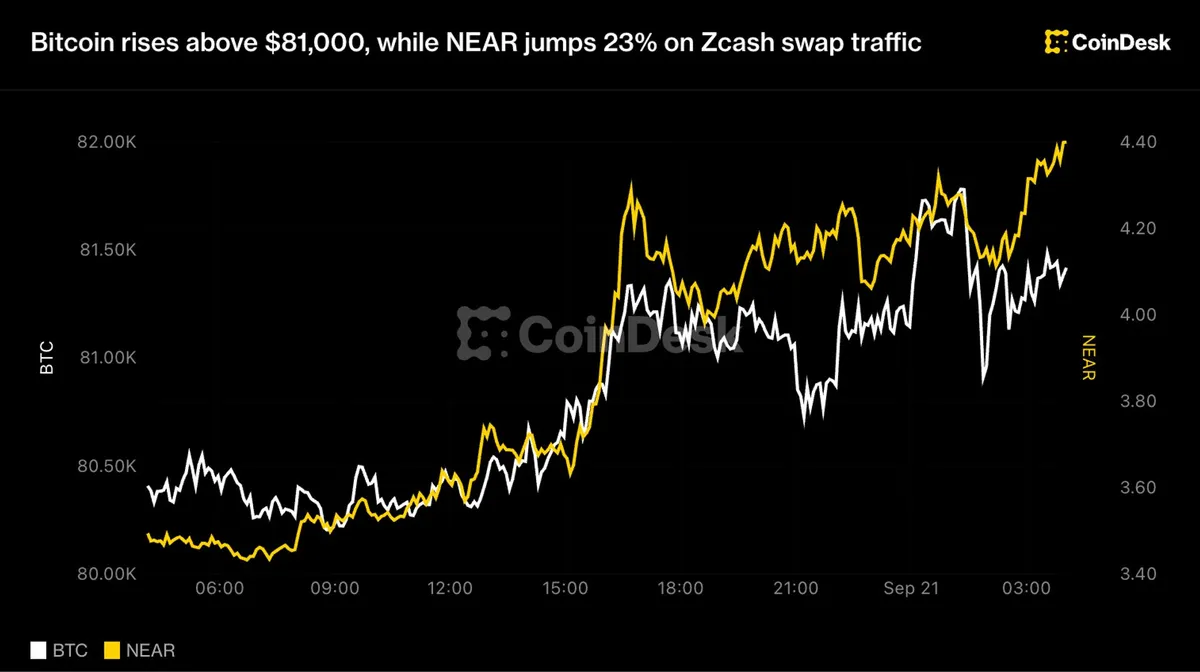
Bitcoin surpasses $81,000 as NEAR surges 23% amid Zcash swap activity