SpaceX's $2.6 trillion market cap nearly double that of bitcoin
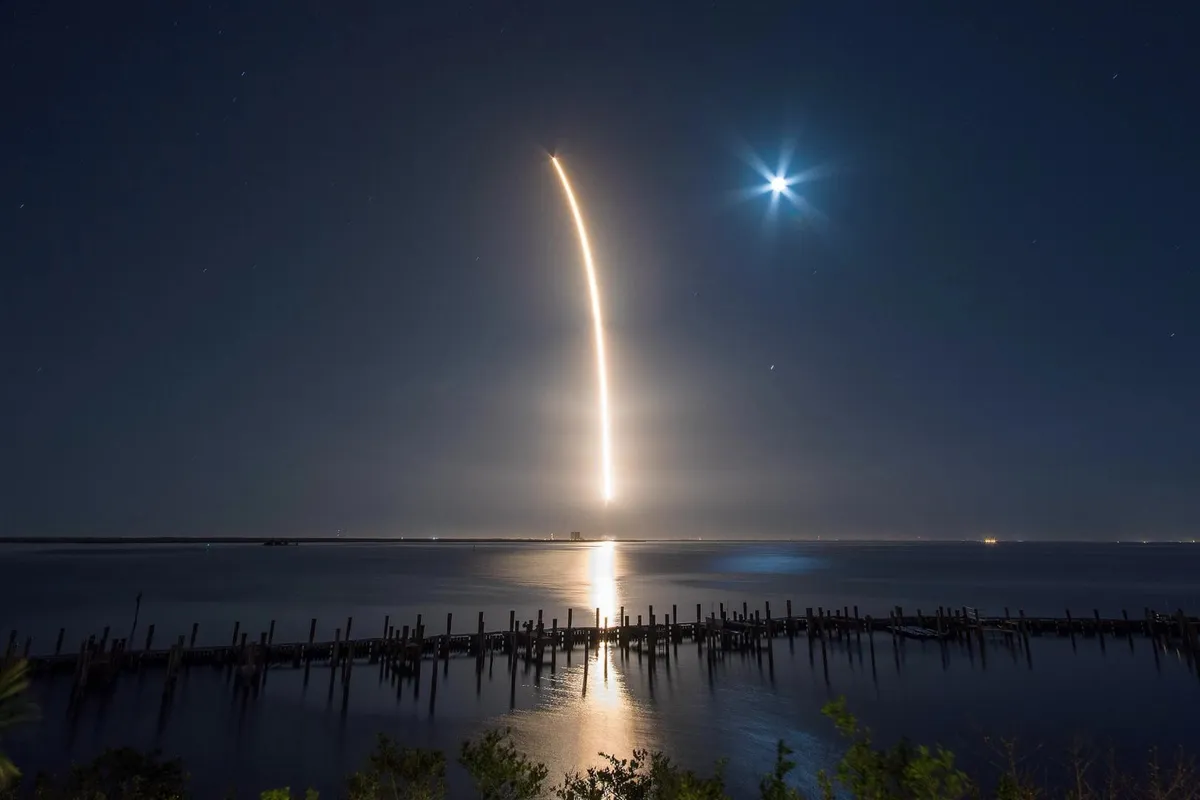
SpaceX has recently made headlines by achieving a staggering market capitalization of approximately $2.6 trillion, just eight days post-IPO, which positions it as the sixth-largest company in the world. This rapid ascent has drawn attention not only for its sheer scale but also for the implications it has on the cryptocurrency market. As investors flock to this aerospace giant, there are concerns that the influx of capital may detract from the liquidity and investment appetite traditionally found within the crypto sector.
To understand this shift, it is important to look at the context surrounding SpaceX's rise. Founded by Elon Musk, SpaceX has been at the forefront of space exploration and satellite technology, capturing the imagination of both the public and institutional investors. The IPO has been perceived as a significant event in the financial landscape, reflecting a growing interest in technology-driven companies that promise transformative impact. With the world increasingly turning towards space exploration and commercialization, SpaceX's valuation is a testament to the confidence investors have in its future prospects, which could overshadow other high-risk markets, including cryptocurrencies.
This phenomenon is crucial for the crypto market, as it highlights a potential shift in risk capital allocation. Investors who typically engage in high-risk assets like cryptocurrencies might be diverting their funds towards more stable and traditional technology companies like SpaceX. This could result in reduced liquidity in the crypto market, which has already been grappling with volatility and regulatory scrutiny. The comparison of SpaceX's market cap to Bitcoin's, which remains around $1.3 trillion, underscores the stark contrast in perceived stability and growth potential between these two asset classes.
Industry reactions have been mixed. Some experts argue that the soaring valuation of SpaceX could be a double-edged sword for the crypto market. While some see it as a sign of a maturing investor base that is gravitating towards established companies, others warn that an exodus of capital from cryptocurrencies could lead to further price declines and increased market volatility. Additionally, some analysts express concern that this trend could hinder innovation in the crypto space, as funding becomes scarcer for new projects that rely on venture capital and speculative investments.
Looking ahead, the implications of SpaceX's market cap surge for the crypto industry could be profound. If the trend of capital migration continues, we may see a more pronounced separation between traditional tech investments and speculative assets like cryptocurrencies. This could lead to a reevaluation of investment strategies across the board, as investors seek to balance their portfolios in light of shifting market dynamics. The coming weeks and months will be critical for both industries as they navigate this new landscape, and it will be interesting to observe how each adapts to the evolving financial ecosystem.

CoinMagnetic Team
Crypto investors since 2017. We trade with our own money and test every exchange ourselves.
Updated: June 2026
From our insights:
Related news

OpenAI cuts prices 50% on mid-tier models as Anthropic unveils Claude Opus 5.5

Bernstein revises prediction markets to $10 trillion by 2035, up from $1 trillion

New Fed data reveals potential dangers in Bitcoin's rally

Anthropic’s New Claude Opus 5.5 Matches Fable at 60% the Price

Elon Musk's influence drives Dogecoin to highest price in months