South Korea Ordains Robot Monk Ahead of Buddha’s Birthday
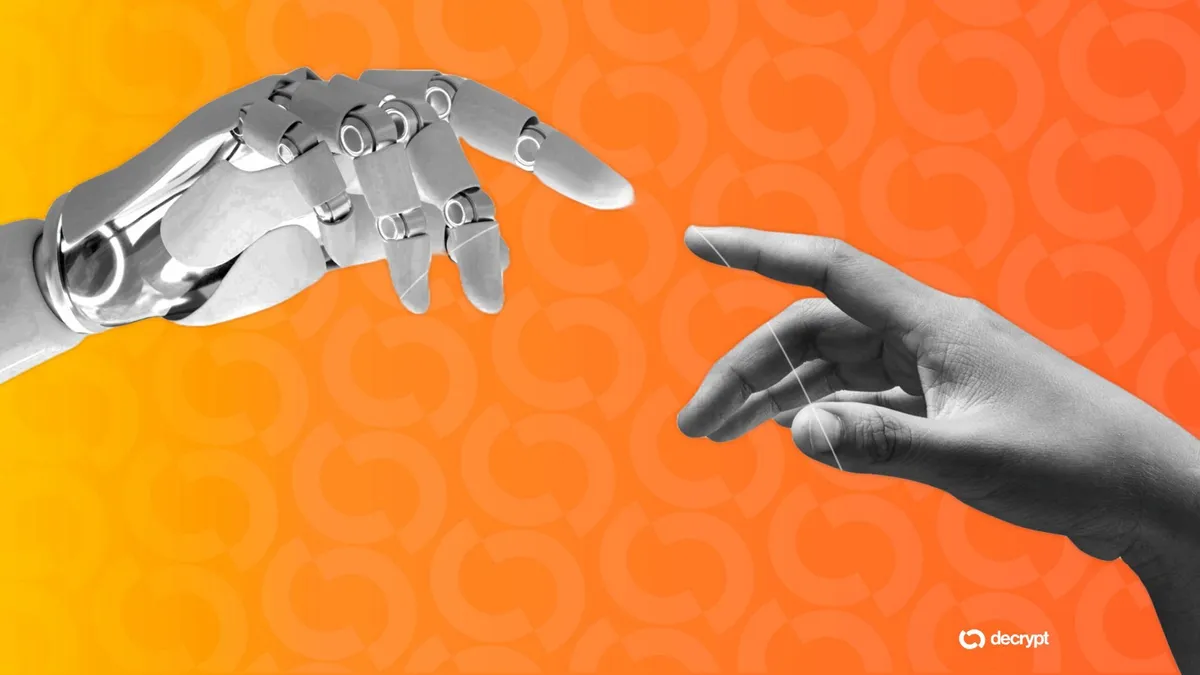
In a groundbreaking development, South Korea's Jogye Order, the country's largest Buddhist sect, has ordained a humanoid robot as a monk just ahead of Buddha’s Birthday celebrations. The robot, created by Unitree Robotics, is designed to assist in spiritual practices and provide guidance to followers. This event marks a significant intersection of technology and tradition, as the robotic monk is expected to participate in rituals and offer prayers, showcasing the adaptability of religious practices in the modern age.
The integration of robotics into religious settings isn't entirely new, but South Korea's decision to ordain a robot is particularly noteworthy given the country's rich cultural heritage and deep-rooted Buddhist traditions. The Jogye Order has historically been a pivotal force in Korean Buddhism, and this move reflects a broader trend of embracing innovation in various aspects of life, including spirituality. The robot monk, named "Xian'er," was introduced during a ceremony that also highlighted the importance of compassion and mindfulness–core tenets of Buddhism.
This development is significant for the market, especially as it raises questions about the role of technology in spiritual and religious contexts. The use of robots in such a prominent religious setting could potentially influence how technology is perceived in other areas of society, including mental health, caregiving, and education. Furthermore, this event may inspire other religious organizations around the globe to explore similar integrations, potentially leading to a new niche market for robotics in spiritual services.
Industry experts have expressed mixed reactions to the ordination of a robot monk. Some view it as a progressive step that aligns with the changing landscape of spirituality and the increasing acceptance of technology in everyday life. Others, however, raise concerns about the authenticity of spiritual guidance provided by a machine. Critics argue that true spiritual leadership requires human experience and empathy, qualities that a robot may not fully replicate. Nonetheless, proponents emphasize that the robot can serve as a tool for teaching and engagement, rather than a replacement for human monks.
Looking ahead, it will be interesting to see how this initiative unfolds and whether it leads to broader acceptance of robotic integration within other religious communities. The impact of Xian'er on followers' spiritual practices and the overall perception of technology in religious contexts will likely be closely monitored. If successful, this could pave the way for more robots in spiritual roles, sparking discussions about the future of faith in an increasingly technological world.

CoinMagnetic Team
Crypto investors since 2017. We trade with our own money and test every exchange ourselves.
Updated: May 2026
From our insights:
Related news

Reap aims to enhance cross-border FX with non-USD stablecoins including peso

ECB and EU central banks propose liquidity thresholds for stablecoins

Four GOP senators backing CLARITY Act seek changes to stablecoin provisions

US investigates Binance for potential Iran-linked trading violations

Crypto sector emerges as top donor with $206 million in midterms backing