South Korea targets Polymarket citing illegal gambling concerns
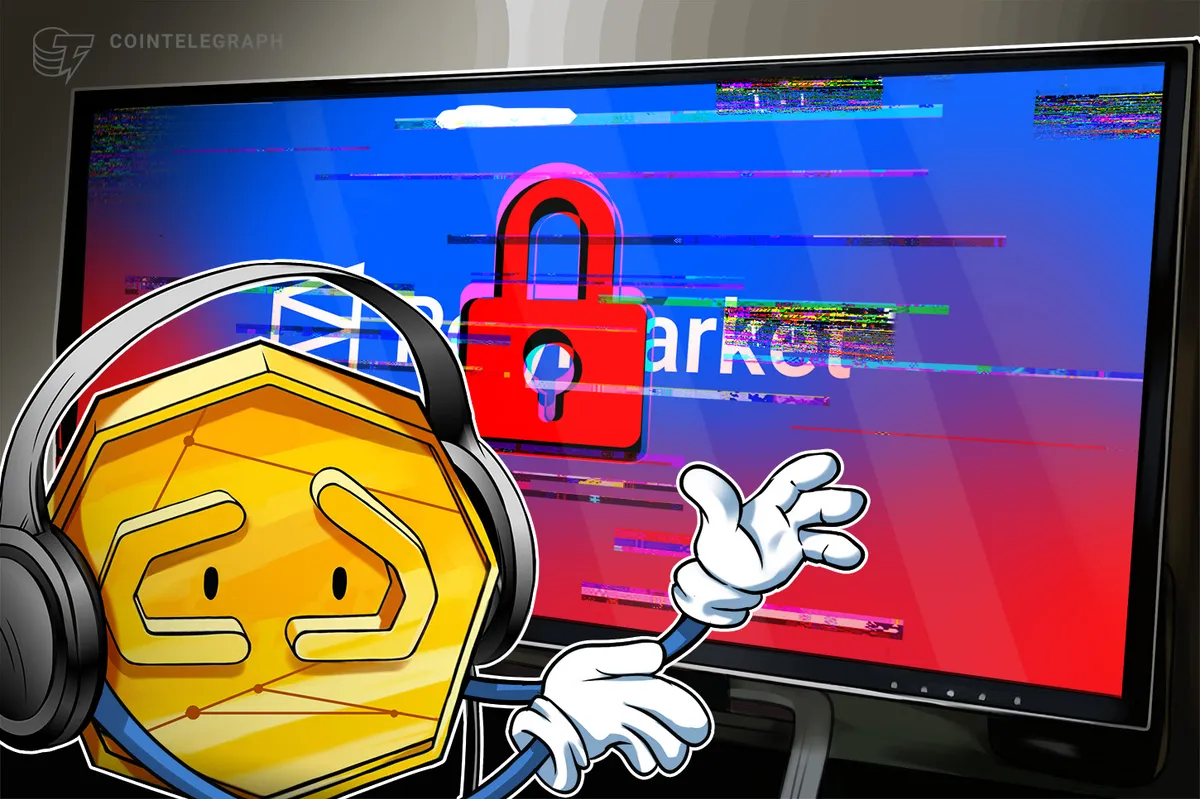
The Korea Media and Communications Commission has announced its intention to block Polymarket, stating that the platform’s structure and operations qualify as illegal gambling. Despite Polymarket's use of a noncustodial design and smart contracts, regulators claim that the platform's functionality resembles that of traditional gambling operations, raising alarms regarding its compliance with local laws. This development comes amid a broader scrutiny of online gambling and betting platforms in South Korea, where the government has been increasingly vigilant about ensuring that operators adhere to national regulations.
Polymarket, which allows users to place bets on various events using cryptocurrency, has gained traction in recent years, particularly during high-profile events such as elections and sports matches. Its decentralized nature and reliance on blockchain technology have been touted as advantages, offering users greater transparency and autonomy compared to conventional betting platforms. However, South Korean regulators appear unconvinced by these claims, arguing that the potential for financial loss and the speculative nature of the platform fit the definition of gambling, which is heavily regulated in the country.
This move to block Polymarket could have significant implications for the cryptocurrency market, particularly for platforms that operate in a similar fashion. As regulators around the world take a closer look at the intersection of crypto and gambling, it could set a precedent for how other jurisdictions handle decentralized betting platforms. Investors and users of Polymarket may need to consider the potential risks associated with operating in regions where regulatory frameworks are still evolving.
Industry experts have expressed mixed reactions to the Korean Commission's decision. Some view it as a necessary step to protect consumers from potential gambling-related harms, while others argue that it reflects a lack of understanding of blockchain technology and its applications. Furthermore, there is concern that such regulatory actions could hinder innovation in the crypto space, especially for platforms that prioritize user autonomy and decentralized operations.
Looking ahead, it remains to be seen how Polymarket will respond to this regulatory challenge. The platform may seek to engage with South Korean regulators to clarify its operations or explore compliance measures that could allow it to continue operating in the region. As the conversation around cryptocurrency and gambling continues to evolve, the outcome of this situation could influence future regulatory approaches in South Korea and beyond.

CoinMagnetic Team
Crypto investors since 2017. We trade with our own money and test every exchange ourselves.
Updated: August 2026
From our insights:
Related news

ECB outlines three models for putting central bank money onchain

Spanish police detain 16-year-old linked to KillSec ransomware operations
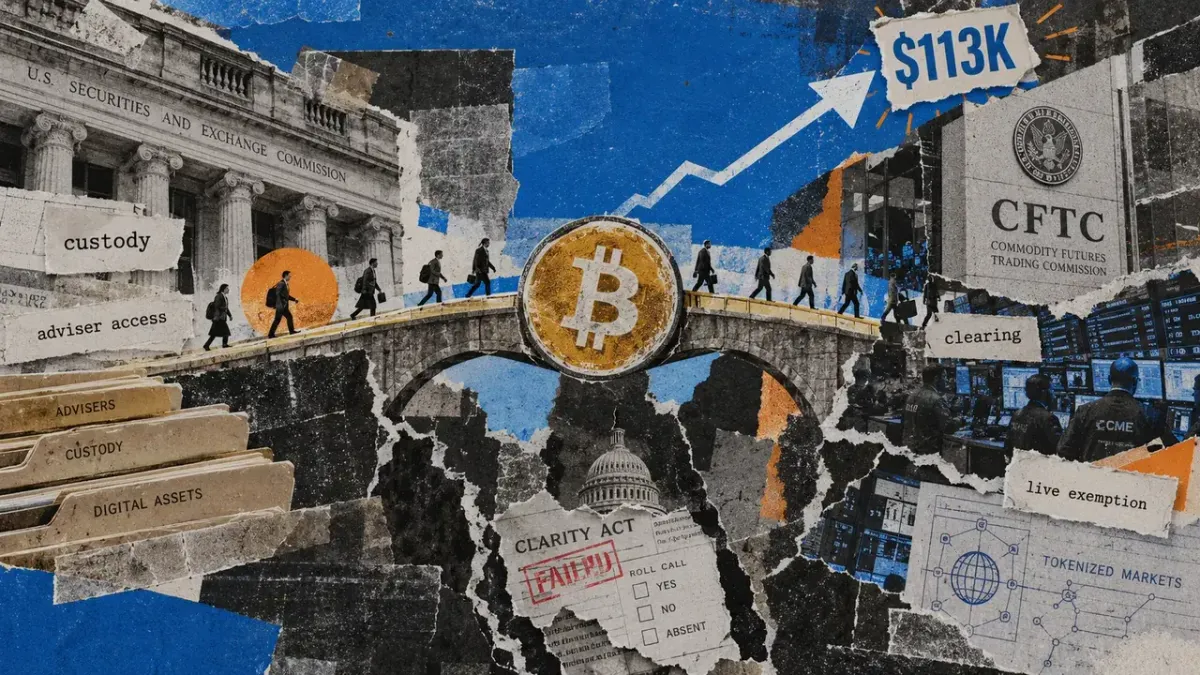
SEC's new custody framework boosts Bitcoin's $113,000 outlook amid 9 crypto actions

Electrum patches Lightning flaw, but old Bitcoin backups break

South Korea advances tokenized securities rules ahead of 2027 rollout