Robinhood faces hurdles in launching stock tokens due to SEC's innovation exemption

Robinhood's crypto chief, Johann Kerbrat, recently shared insights regarding the company's ongoing efforts to navigate the SEC's latest innovation exemption concerning tokenized stocks. Kerbrat detailed the challenges that arise from this regulatory framework, emphasizing how it imposes constraints on the company's ability to introduce stock tokens to the U.S. market. The innovation exemption was designed to foster technological advancements, yet its complexities have created a difficult path for firms seeking to innovate in the tokenized stock space.
The SEC's innovation exemption aims to provide a pathway for emerging technologies while ensuring compliance with existing regulations. However, this has often resulted in ambiguity, leaving companies like Robinhood grappling with how to align their offerings with regulatory expectations. Stock tokens, which allow users to trade fractional shares of companies through blockchain technology, hold significant potential for expanding access to equity markets. Yet, the regulatory landscape has not yet adapted to the rapid evolution of these financial instruments.
This situation matters for the market as it highlights the ongoing tension between innovation in the crypto space and regulatory oversight. If companies like Robinhood are unable to launch stock tokens due to regulatory constraints, it may slow the adoption of tokenized assets in the U.S. market. Additionally, other firms may face similar challenges, potentially stifling competition and innovation in a sector that has seen rapid growth and interest.
Industry experts and stakeholders have expressed mixed reactions to the SEC's approach. Some argue that the innovation exemption could eventually lead to a more structured and clear regulatory framework, benefiting both companies and consumers in the long run. Others, however, criticize the SEC for creating an environment that stifles innovation, suggesting that a more collaborative approach with industry players could yield better results.
Looking ahead, Robinhood and other companies may need to engage in further dialogue with regulators to clarify the requirements surrounding tokenized stocks. The outcome of these discussions could significantly influence the future landscape of stock tokens in the U.S., potentially unlocking new opportunities for innovation and investment in the financial markets.

CoinMagnetic Team
Crypto investors since 2017. We trade with our own money and test every exchange ourselves.
Updated: October 2026
From our insights:
Related news

Electrum patches Lightning flaw, but old Bitcoin backups break

South Korea advances tokenized securities rules ahead of 2027 rollout
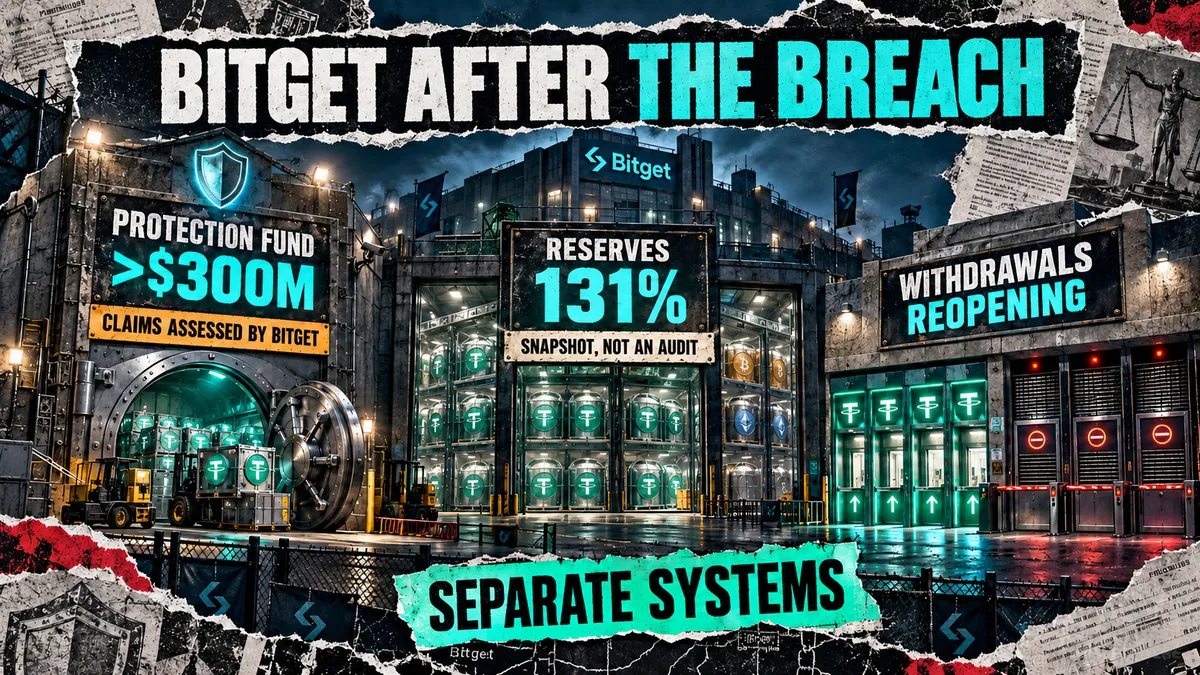
Bitget reestablishes $300 million fund after $388 million breach loss

SEC proposal aims to eliminate custody barrier for crypto investment advisers

Singapore's crypto economy grows 55% as China warns spies about blockchain