South Korea fines Bithumb for sharing user data overseas without consent

South Korea's Financial Services Commission (FSC) has imposed a fine of approximately $136,000 on Bithumb, one of the country's leading cryptocurrency exchanges, for mishandling user data. The regulator found that Bithumb had shared personal information of its users with overseas entities without obtaining their consent, violating the nation's stringent personal information protection laws. This penalty underscores the increasing scrutiny that cryptocurrency exchanges are facing as regulators attempt to safeguard user privacy and ensure compliance with existing data protection regulations.
Bithumb's case is not an isolated incident; it reflects a broader trend of regulatory enforcement in South Korea's cryptocurrency sector. The country has been tightening its regulations on digital assets in recent years, prompted by concerns over financial security and the potential for fraud. The Personal Information Protection Act (PIPA), which took effect in 2011, has been a cornerstone of South Korea's data privacy framework. With the rising popularity of cryptocurrencies, authorities are now extending these protections to cover digital asset transactions, emphasizing the importance of user consent in data sharing practices.
This fine serves as a critical reminder for cryptocurrency exchanges operating in South Korea and globally about the importance of compliance with data protection laws. As regulators ramp up their oversight, exchanges must develop robust policies to protect user data and ensure transparency in their operations. The impact of this ruling may extend beyond Bithumb as other exchanges may reevaluate their data handling practices to avoid similar penalties, leading to a more compliant and responsible industry.
Industry experts have expressed mixed reactions to the news. Some view the fine as a necessary step towards strengthening consumer protection in the cryptocurrency space, arguing that it will encourage exchanges to adopt better privacy practices. Others, however, caution that excessive regulation could stifle innovation and drive businesses to jurisdictions with more lenient regulations. The consensus appears to be that while regulation is essential for consumer protection, it needs to strike a balance that allows the industry to thrive.
Looking ahead, it will be interesting to see how this ruling influences other exchanges in South Korea and potentially in other regions. As data protection laws evolve, exchanges may need to invest in more sophisticated compliance measures, including user consent management and data governance frameworks. Additionally, this case could prompt further regulatory action, setting a precedent for how authorities approach data privacy in the rapidly changing landscape of cryptocurrency. The coming months will likely reveal whether this fine heralds a shift toward stricter enforcement or encourages a more collaborative approach between regulators and the crypto industry.

CoinMagnetic Team
Crypto investors since 2017. We trade with our own money and test every exchange ourselves.
Updated: June 2026
From our insights:
Related news

Bitcoin longs face $280 million liquidation as BTC dips below $84K

Solana's Alpenglow enters testnet phase as SOL approaches January peak

EU to focus on AI and tokenization oversight by 2027, says ESMA

Traditional asset perps draw $18B as altcoin trader numbers drop to 19%
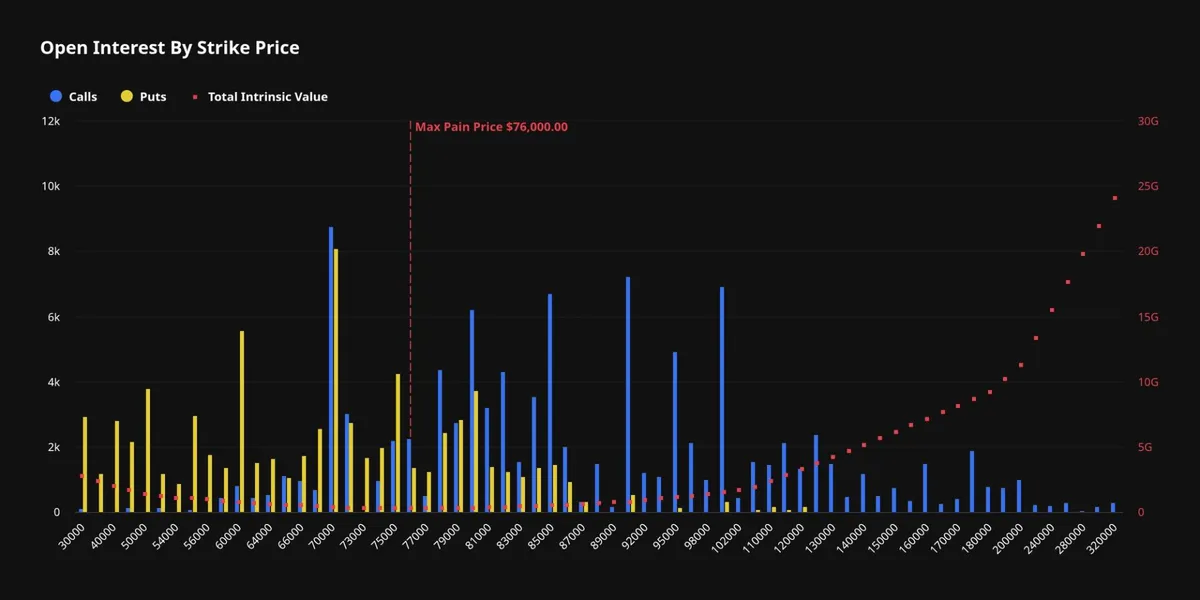
Bitcoin options settlement of nearly $18 billion could impact volatility