Brazil introduces 24-hour transfer hold on crypto transactions over $10,000

Brazil's new regulatory framework aimed at combating crypto fraud will implement a transfer hold of up to 24 hours for transactions exceeding $10,000. Effective from January 1, 2027, this measure will apply to transfers directed toward overseas providers or self-custody wallets, as well as any transactions that are flagged for further review. The move is part of a broader effort by Brazilian authorities to enhance the integrity of the financial system and protect consumers from potential scams and fraudulent activities in the rapidly evolving cryptocurrency space.
The backdrop to this regulatory shift is the increasing scrutiny of the cryptocurrency market, primarily due to its association with money laundering and other illicit activities. Brazil, like many countries, has witnessed a surge in crypto adoption, which has led to a corresponding rise in concerns regarding security and fraud. The government has been under pressure to establish a robust regulatory framework that not only safeguards users but also provides a clear set of guidelines for cryptocurrency transactions.
This regulatory development is significant for the market as it signals a move toward stricter oversight of cryptocurrency transactions, particularly those involving large sums of money. The imposed hold could slow down the pace of transactions, potentially impacting liquidity and the overall trading environment. Traders and investors may need to adapt to these new regulations, factoring in the potential delays when planning their transactions. It also raises questions about how exchanges and financial institutions will manage compliance with these new rules.
Industry reaction has been mixed, with some experts expressing support for the measures as necessary for consumer protection, while others warn that overly stringent regulations could stifle innovation within the crypto sector. Advocates for consumer rights argue that such measures are essential to build trust and confidence in the cryptocurrency market, while critics caution that these regulations could drive crypto activity underground or into less regulated jurisdictions.
Looking ahead, the implementation of these regulations will likely prompt further discussions among regulators, industry participants, and stakeholders about the best ways to balance consumer protection with the need for innovation in the crypto space. As the January 2027 deadline approaches, we can expect to see more detailed guidelines and possibly additional regulations that will shape how cryptocurrencies are used in Brazil.

CoinMagnetic Team
Crypto investors since 2017. We trade with our own money and test every exchange ourselves.
Updated: August 2026
From our insights:
Related news
Bitcoin holds around $86,000 while bitcoin cash surges 32% on CME news

Onchain signals confirm Bitcoin bull market but $90K poses profit-taking risk
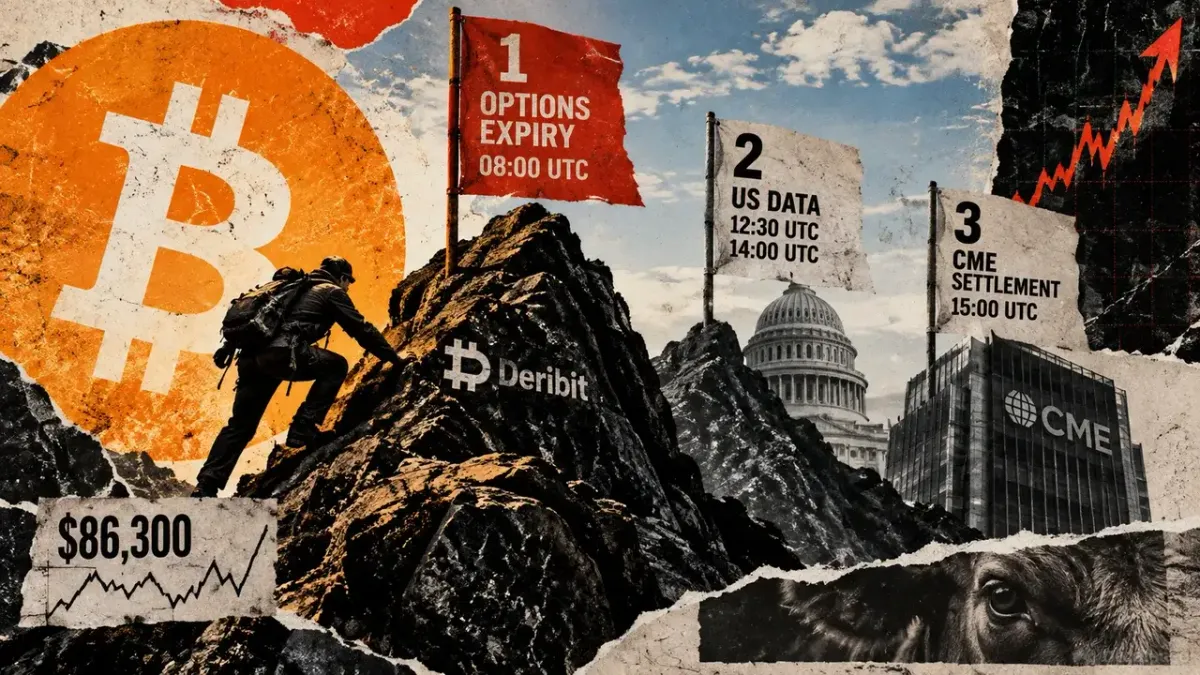
Bitcoin options worth $16 billion set to expire as price nears $86,300

Bitcoin ETFs take in $1.7B in 2 days as BTC tops holder cost basis
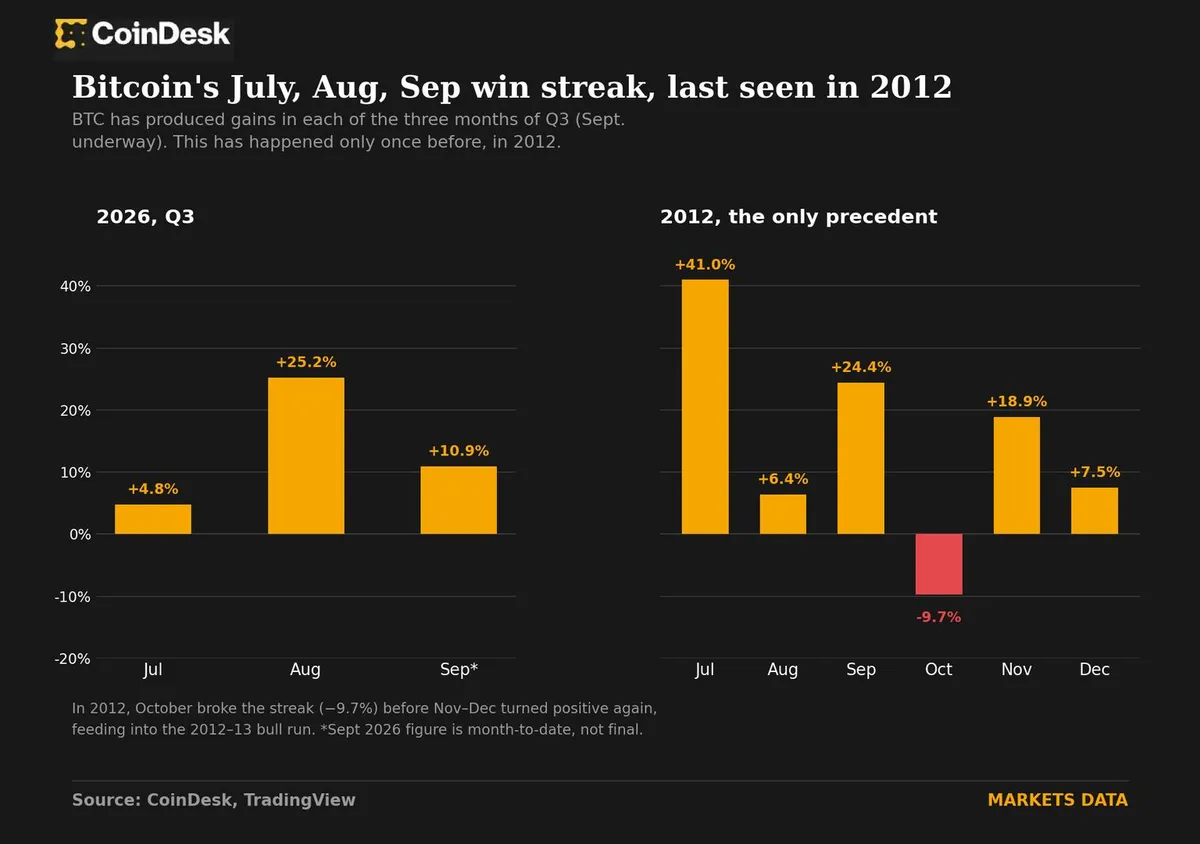
Bitcoin's on a streak it hasn't hit since 2012