South Korea develops crypto-specific procedures for asset seizures and liquidation: report
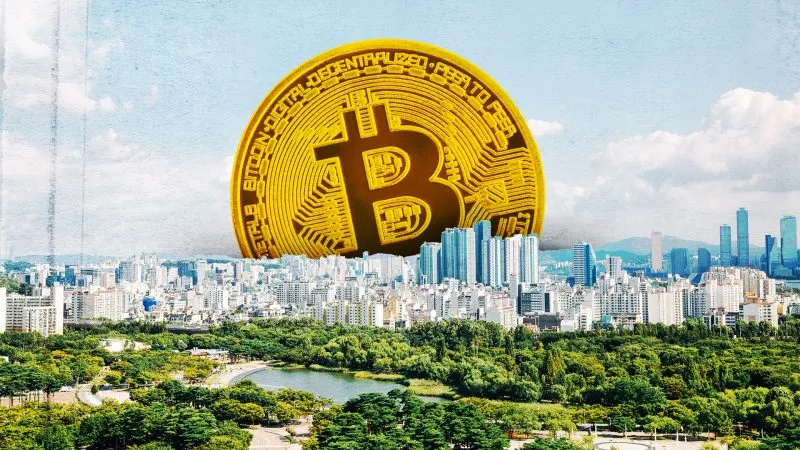
South Korea has taken a significant step in the regulation of cryptocurrency by developing specific procedures for the seizure and liquidation of crypto assets. According to recent reports, the amendments focus on formalizing how courts execute civil judgments against cryptocurrency holdings. This move is part of a broader effort to establish a legal framework that addresses the unique challenges posed by digital assets, ensuring that the judicial system can effectively enforce civil sentences involving cryptocurrencies. By laying out clear guidelines, South Korea aims to streamline the process, making it easier for creditors to recover debts owed to them through cryptocurrency holdings.
The background of this development can be traced back to the rapid growth of the cryptocurrency market in South Korea, which has become one of the largest in the world. As interest in digital assets surged, so did the number of disputes involving cryptocurrencies, leading to a pressing need for legal clarity. Prior to these amendments, the lack of established procedures created uncertainty for both courts and users regarding how to handle crypto-related cases. The new regulations represent a critical step towards integrating digital currency into the existing legal system, addressing concerns around enforceability and compliance.
This development is crucial for the market as it signals a growing acceptance of cryptocurrencies within the legal framework of South Korea. By providing a clear path for asset seizure and liquidation, the amendments can enhance investor confidence, as it assures users that their investments are subject to legal protections. This may also pave the way for increased institutional participation, as a more regulated environment can mitigate risks associated with crypto investments. Furthermore, the clarity on legal processes could help in reducing fraudulent activities in the crypto space, ultimately contributing to a healthier market ecosystem.
Industry reactions to these developments have been largely positive, with many experts acknowledging the necessity of such regulations. Legal professionals and crypto analysts have emphasized that these amendments will help legitimize the industry and create a more structured environment for both users and investors. Some industry advocates argue that this could lead to more innovative financial products based on cryptocurrencies, as regulatory clarity often encourages experimentation within the legal confines. However, there are also concerns about how these regulations might limit the flexibility and anonymity that many crypto users value.
Looking ahead, the implementation of these procedures will be closely monitored, as their effectiveness in practice will determine the future of cryptocurrency regulation in South Korea. Stakeholders are keen to see how the courts will adapt to these new guidelines and whether they will inspire similar regulatory developments in other jurisdictions. As the global conversation around cryptocurrency regulation continues, South Korea’s proactive stance may serve as a model for other countries grappling with similar challenges. The evolution of these regulations will likely have lasting implications for the crypto market, shaping its trajectory in the years to come.

CoinMagnetic Team
Crypto investors since 2017. We trade with our own money and test every exchange ourselves.
Updated: July 2026
From our insights:
Related news

Crypto firms face challenge of user retention after years of product development

Japan imposes sanctions on Garantex for aiding Russia's financial evasion

Crypto job postings triple to over 1,200 in September, but applications fall

AI agents' spending habits require investor attention, says Cathie Wood

Pope criticizes AI art for missing human touch, seeks artist alliance