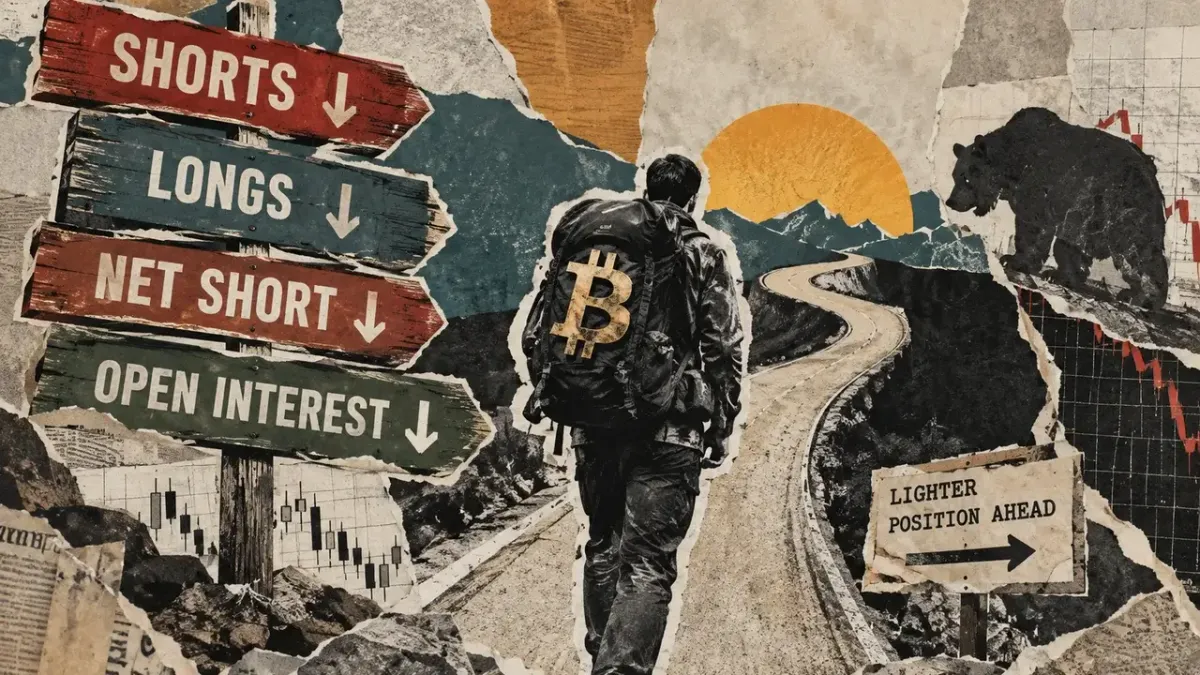
Bitcoin's Sharpe Ratio slides to lowest since 2022. Here's what it means.

Recent data has revealed that Bitcoin's Sharpe Ratio has plummeted to its lowest level since 2022, indicating a significant shift in its risk-adjusted returns. The Sharpe Ratio, a critical measure used to evaluate the performance of an investment by adjusting for its risk, has turned negative for Bitcoin, suggesting that investors would have fared better by placing their funds in risk-free assets, such as 10-year U.S. Treasuries. This decline in the Sharpe Ratio has raised concerns among investors about the stability and attractiveness of Bitcoin as a viable investment option in the current economic climate.
To understand the implications of this shift, it's essential to consider the broader context of Bitcoin's performance over the past year. Following a period of intense market volatility and regulatory scrutiny, Bitcoin has experienced fluctuating prices that have left many investors uncertain about its future trajectory. The negative Sharpe Ratio indicates not only that Bitcoin's returns have been poor relative to its risk but also highlights a growing sentiment of caution among investors. This downturn comes at a time when traditional financial instruments, like U.S. Treasuries, have become increasingly appealing due to their stability and lower risk profiles.
The significance of this development extends beyond just Bitcoin; it reflects broader market trends that could influence investor behavior. As market participants weigh the risks associated with cryptocurrencies against more stable traditional assets, the negative Sharpe Ratio may deter new investments in Bitcoin and similar digital currencies. This could lead to increased selling pressure and further price declines, potentially impacting the entire cryptocurrency market. Investors may begin to reassess their portfolios, seeking safer havens amid economic uncertainty.
Industry experts have weighed in on this situation, offering diverse perspectives on the implications of Bitcoin's declining Sharpe Ratio. Some analysts argue that this metric serves as a warning signal, indicating that the cryptocurrency may not be the hedge against inflation that many had hoped it would be. Others suggest that the current market conditions present an opportunity for long-term investors to acquire Bitcoin at lower prices, betting on its eventual recovery. The sentiment within the crypto community appears to be mixed, with some advocating for patience while others express skepticism about Bitcoin's ability to bounce back.
Looking ahead, the future of Bitcoin will largely depend on market dynamics, regulatory developments, and macroeconomic factors. Investors will be closely monitoring any shifts in sentiment that could signal a change in the market's risk appetite. As the cryptocurrency landscape continues to evolve, it will be crucial for both new and seasoned investors to stay informed about these changes, as the implications of a negative Sharpe Ratio may resonate for some time. Whether Bitcoin can regain its footing and demonstrate improved risk-adjusted returns remains an open question, one that will be pivotal in shaping the future of the cryptocurrency market.

CoinMagnetic Team
Crypto investors since 2017. We trade with our own money and test every exchange ourselves.
Updated: July 2026
From our insights:
Related news

Crypto firms face challenge of user retention after years of product development

Japan imposes sanctions on Garantex for aiding Russia's financial evasion

Crypto job postings triple to over 1,200 in September, but applications fall

AI agents' spending habits require investor attention, says Cathie Wood

Pope criticizes AI art for missing human touch, seeks artist alliance