Solana's fee changes raise costs for resource-intensive transactions while boosting SOL burn

Solana has announced a significant overhaul of its fee structure, aimed at addressing the disparity in transaction costs associated with resource-heavy activities on its network. Under the proposed changes, users engaging in more demanding transactions will face higher fees, while simpler transactions will benefit from reduced costs. Additionally, this new structure is designed to increase the amount of SOL tokens that are burned during transactions, effectively reducing the overall supply of the cryptocurrency.
The fee overhaul comes as part of a broader strategy to enhance the efficiency and sustainability of the Solana network. Historically, Solana has prided itself on its low transaction fees, which have attracted a diverse range of users and developers. However, the network has also faced challenges due to a surge in high-resource transactions that can lead to congestion and increased operational costs. By adjusting the fee structure, Solana aims to ensure that those who use more resources contribute proportionally to the network’s upkeep.
This change is particularly significant for the market as it reflects a growing trend among blockchain networks to implement measures that promote sustainability and scalability. By increasing the fees for resource-intensive transactions, Solana is not only discouraging unnecessary network strain but is also creating a more balanced economic model that rewards efficient usage. The increased burning of SOL tokens may also enhance the token's value over time, as a reduced supply could lead to upward pressure on prices.
Industry experts have reacted positively to the proposed fee changes, noting that they could lead to a more equitable distribution of network costs. Some analysts believe that this move could help stabilize transaction times and improve overall user experience. However, there are concerns that higher fees for resource-heavy transactions might deter some users, especially those who rely on Solana for high-volume activities. Balancing this dynamic will be crucial as the network moves forward with its implementation.
As the proposal moves toward finalization, stakeholders are keenly observing how these changes will be rolled out and what impact they will have on user behavior. If successful, Solana's fee overhaul could set a precedent for other blockchain networks grappling with similar issues, potentially leading to a new standard in transaction fee structures across the industry.

CoinMagnetic Team
Crypto investors since 2017. We trade with our own money and test every exchange ourselves.
Updated: August 2026
From our insights:
Related news
Strive's latest acquisition adds 1,107 BTC, raising total to 27,462
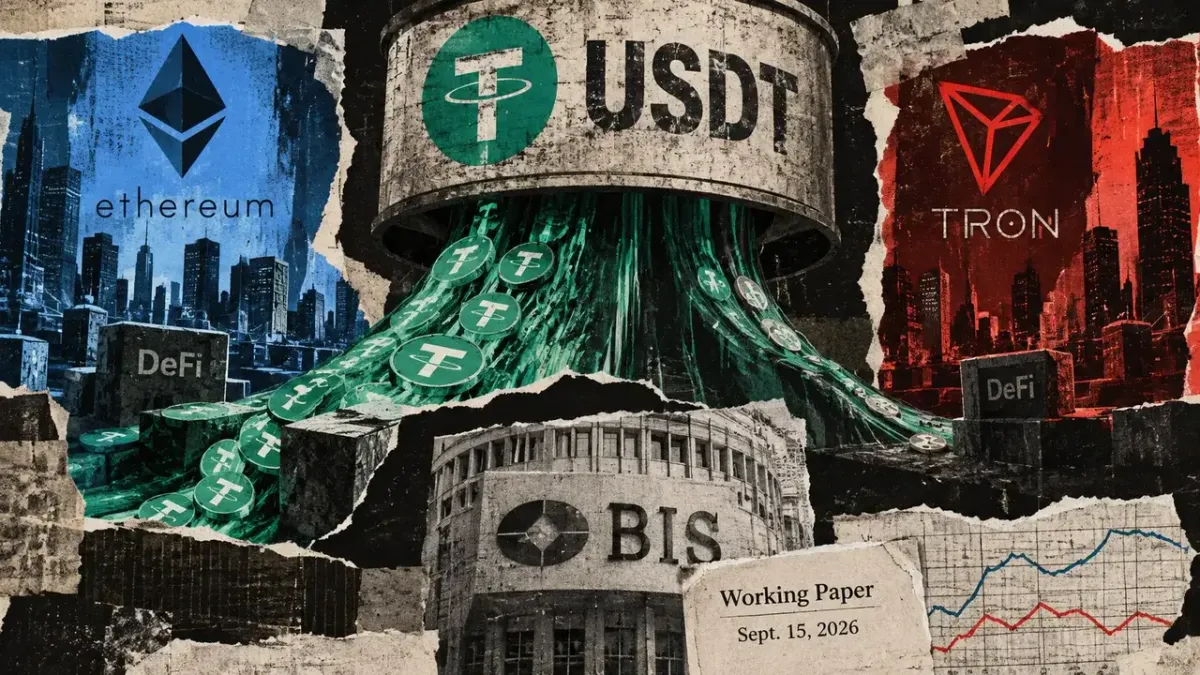
USDT grew on Ethereum through 2024, but smart contract holdings stalled, BIS data show

Vitalik Buterin Outlines 'Cryptographic World Computer' Plan for Ethereum

Bitget attacker executed small tests prior to $388 million theft, CEO reveals

ESMA transitions from MiCA rulemaking to supervision, prioritizing CASP resilience