USDT grew on Ethereum through 2024, but smart contract holdings stalled, BIS data show
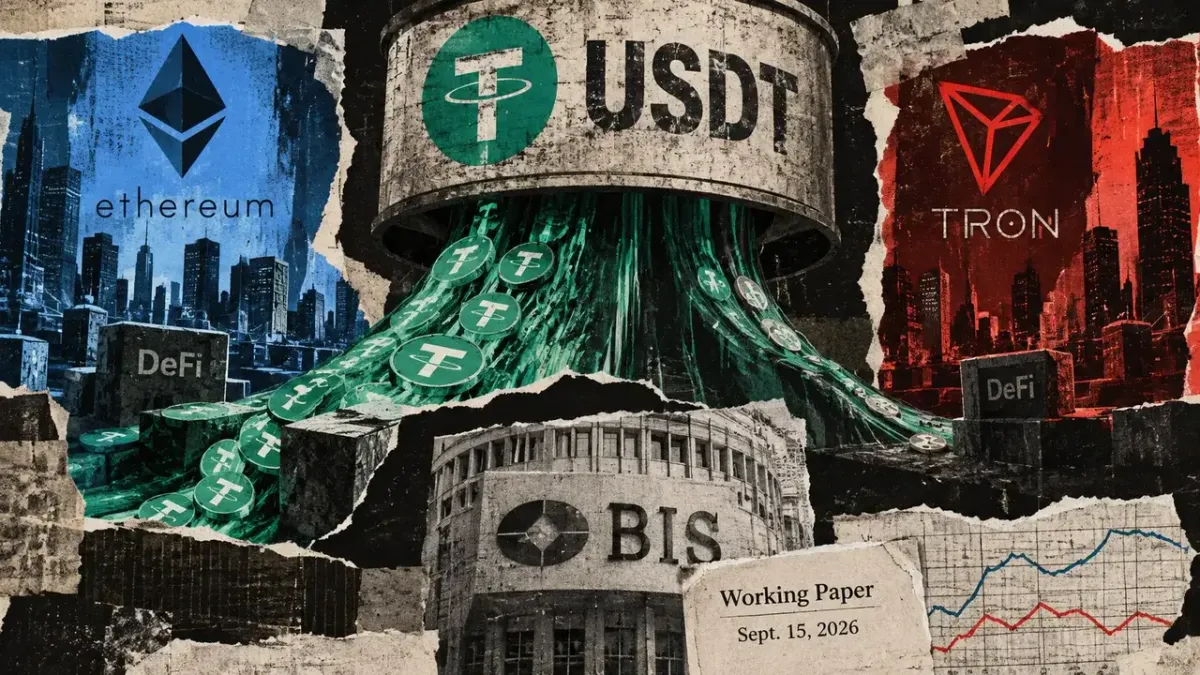
According to recent data from the Bank for International Settlements (BIS), Tether's USDT has shown significant growth on the Ethereum blockchain through 2024. However, this expansion has not translated into increased holdings within smart contracts, indicating a potential stagnation in the use of USDT for decentralized applications. The report highlights that while USDT issuance on Ethereum has increased, the share of USDT held in smart contracts has remained relatively flat, suggesting a disconnect between the growing supply of USDT and its utility in the Ethereum ecosystem.
Historically, USDT has been a crucial player in the cryptocurrency market, often serving as a stablecoin that traders use for transactions and as a hedge against volatility. Over the years, Ethereum has become a prime platform for decentralized finance (DeFi) applications, which typically utilize stablecoins like USDT. The BIS findings suggest that despite the growth of USDT issuance on Ethereum, the adoption and integration of USDT in smart contracts and DeFi protocols have not kept pace, raising questions about the potential barriers to increased usage.
This situation is important for the market as it sheds light on the dynamics of stablecoin utilization within the Ethereum ecosystem. While overall supply is increasing, the stagnation in smart contract holdings could indicate a lack of confidence in the deployment of USDT for various applications, which may affect trading volumes and liquidity in DeFi markets. If traders and developers perceive that USDT is not being used effectively in smart contracts, it could lead to reduced demand for the stablecoin, impacting its value and overall market stability.
Industry experts have pointed out that the stalling of USDT in smart contracts could be attributed to several factors, including regulatory scrutiny, competition from other stablecoins, and potential changes in user preferences. Some analysts believe that as the DeFi landscape matures, we may see innovation that encourages greater integration of USDT into smart contracts, while others caution that the current stagnation might signal a need for Tether to reevaluate its strategies to maintain relevance in the market.
Looking ahead, the implications of this data suggest that Tether and Ethereum may need to adapt to the changing landscape of stablecoin utilization. Developers could explore new ways to incentivize the use of USDT within smart contracts, while Tether may need to address any underlying issues contributing to the current stall. As the cryptocurrency market continues to evolve, the effectiveness of stablecoins like USDT in smart contract environments will be critical for their sustained success.

CoinMagnetic Team
Crypto investors since 2017. We trade with our own money and test every exchange ourselves.
Updated: September 2026
From our insights:
Related news
Strive's latest acquisition adds 1,107 BTC, raising total to 27,462

Vitalik Buterin Outlines 'Cryptographic World Computer' Plan for Ethereum

Bitget attacker executed small tests prior to $388 million theft, CEO reveals

ESMA transitions from MiCA rulemaking to supervision, prioritizing CASP resilience

Bitmine increases ether holdings to over 6 million after latest purchase