Solana launches onchain governance and sets entry fee at 100,000 SOL staked
Solana has recently introduced onchain governance through a new initiative called Solana Governance Proposals, allowing validators and stakers to actively participate in the decision-making process of the network. With this update, any validator that has at least 100,000 SOL staked can submit governance proposals, enabling them to formally signal their vision for the future of the Solana ecosystem. Notably, this system empowers stakers by giving them the ability to overrule how their validator votes, thereby enhancing community engagement and decentralization within the network.
The introduction of onchain governance marks a significant shift for Solana, a platform that has gained traction for its high throughput and low transaction costs. Historically, the governance of blockchain networks has been a complex and often contentious issue, with many projects struggling to balance the influence of large stakeholders with the need for community input. Solana's new governance model seeks to address these challenges by creating a structured environment where all participants can have a voice, setting the stage for a more democratic and inclusive approach to network management.
This development is crucial for the market as it enhances the overall credibility and attractiveness of Solana as a blockchain platform. By enabling onchain governance, Solana is positioning itself as a forward-thinking player in the crypto space, potentially attracting new developers and projects looking for a robust and flexible ecosystem. Additionally, the ability for stakers to influence decisions directly could lead to a more engaged community, fostering loyalty and long-term investment in the network.
Industry reactions have been mostly positive, with many experts highlighting the importance of onchain governance in fostering decentralization. Some commentators have pointed out that Solana's approach could serve as a model for other blockchain platforms grappling with governance issues. However, there are also concerns about the potential risks of centralization, as larger stakeholders could dominate the decision-making process if they maintain significant control over the voting outcome. This balance will be critical to monitor as the governance system evolves.
Looking ahead, the implementation of onchain governance is likely to lead to a series of proposals that could shape the future of Solana. As the community begins to engage with this new system, we may see a variety of initiatives aimed at improving the network, from technical upgrades to community engagement programs. The success of this governance model will ultimately depend on how effectively Solana can manage the interests of both validators and stakers, ensuring that all voices are heard in shaping the platform’s trajectory.

CoinMagnetic Team
Crypto investors since 2017. We trade with our own money and test every exchange ourselves.
Updated: July 2026
From our insights:
Related news

Bitcoin ETFs add $66 million, marking nine-day win streak like August rally
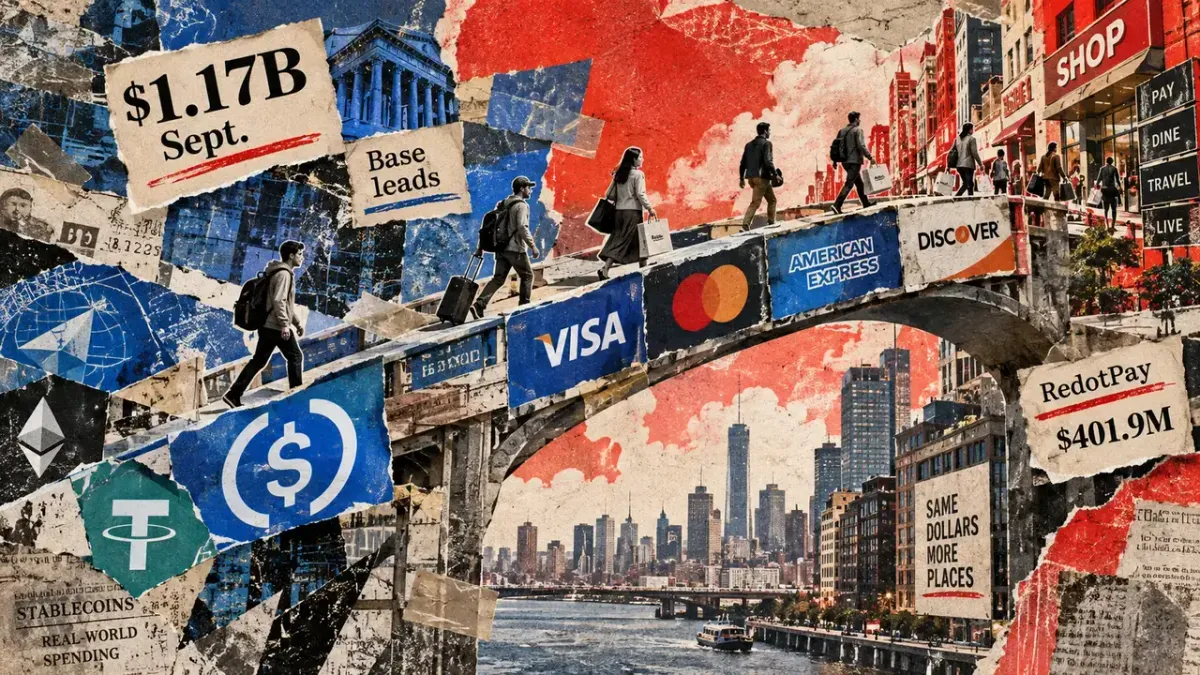
Stablecoin card spending soars to record $1.17 billion in September
Trump's 'morally binding' AI accord lacks enforcement measures, faces criticism

Open USD takes on Tether, Circle with a different stablecoin model that's 'building money'
Robinhood Chain continued block production during 40-minute app outage