Trump's 'morally binding' AI accord lacks enforcement measures, faces criticism
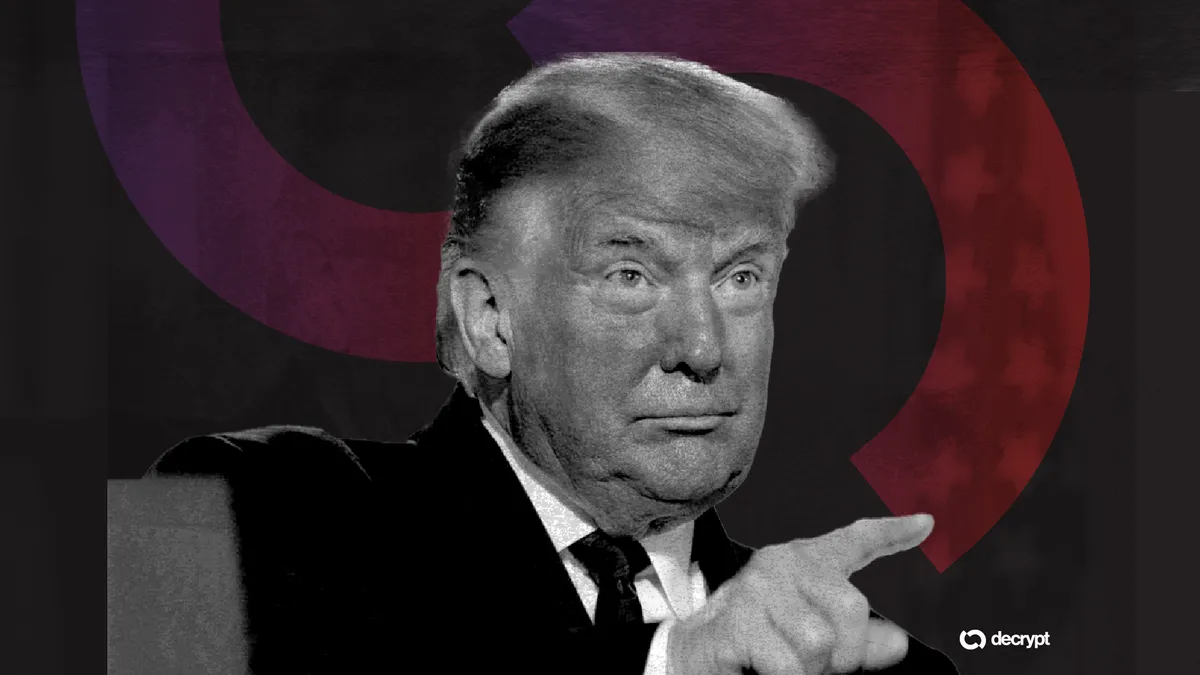
Former President Donald Trump has announced a new 'morally binding' AI accord that has been signed by major tech players including OpenAI, Google, and Nvidia. This one-page pact outlines a series of commitments aimed at establishing responsible AI practices among the signatory companies. Specifically, it calls for the implementation of internal controls, regular independent audits, and enhanced oversight from corporate boards. However, the agreement has been met with skepticism, as it lacks any penalties for non-compliance and has been criticized for its vague and superficial nature.
This initiative comes amidst growing concerns about the rapid development of artificial intelligence and its potential implications for society. As AI technologies become more integrated into daily life, issues such as ethical considerations, job displacement, and misinformation have garnered significant attention from both the public and policymakers. The call for greater accountability in AI development reflects a broader movement in the tech industry to address these challenges proactively and establish frameworks that prioritize safety and ethical standards.
The significance of this accord lies in its potential impact on the AI market and the behavior of tech companies. By positioning the agreement as a moral obligation, it seeks to encourage compliance through corporate responsibility rather than regulatory enforcement. However, without any legal ramifications for failure to adhere to its principles, the effectiveness of the pact may be limited. Investors and stakeholders are likely watching closely to see whether this initiative will lead to tangible changes in AI governance or simply serve as a public relations effort.
Reactions from industry experts and stakeholders have been mixed. Some have commended the effort to engage major players in a dialogue on ethical AI practices, suggesting that the agreement could pave the way for more comprehensive regulations in the future. Others, however, have expressed disappointment over the lack of concrete measures and accountability, arguing that the agreement falls short of addressing the pressing issues that AI technology presents. This has led to calls for stronger regulatory frameworks that would enforce ethical standards and ensure that companies are held accountable for their AI systems.
Looking ahead, the future of this accord remains uncertain. While it represents a step toward fostering collaboration among leading tech companies, the absence of enforcement mechanisms raises questions about its long-term viability. As the AI landscape continues to evolve, it will be crucial for stakeholders to monitor the developments surrounding this agreement and assess whether it will lead to meaningful changes in the industry or merely serve as a symbolic gesture.

CoinMagnetic Team
Crypto investors since 2017. We trade with our own money and test every exchange ourselves.
Updated: September 2026
From our insights:
Related news

Bitcoin ETFs add $66 million, marking nine-day win streak like August rally
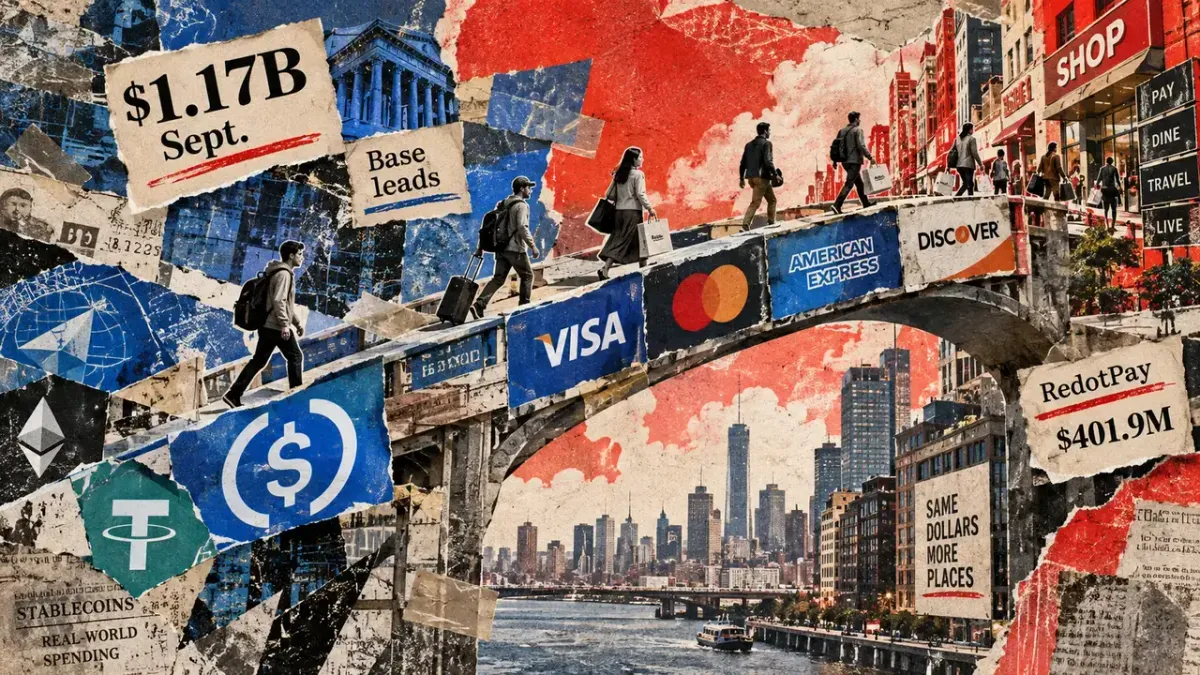
Stablecoin card spending soars to record $1.17 billion in September

Open USD takes on Tether, Circle with a different stablecoin model that's 'building money'
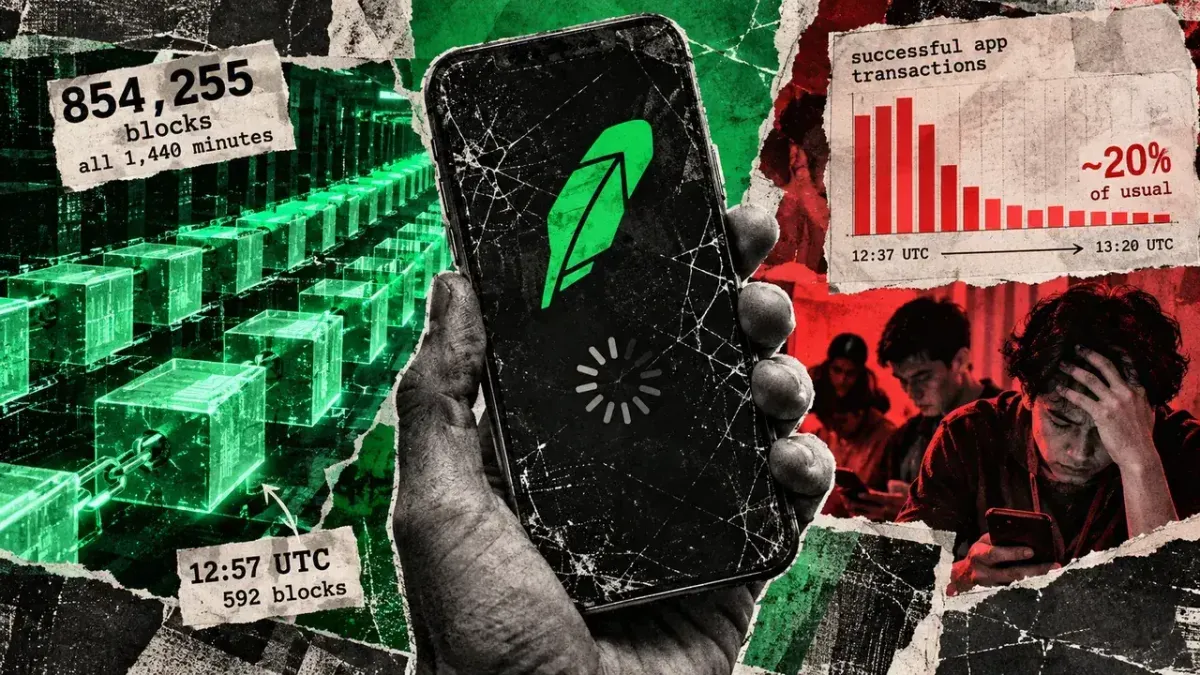
Robinhood Chain continued block production during 40-minute app outage
Stolen Bitcoin from 2017 Silk Road seizure now valued at $2.4 million