Singapore revokes crypto payment license of Bsquared over regulatory breaches

The Monetary Authority of Singapore (MAS) has officially revoked the crypto payment license of Bsquared, a significant player in the digital payment space. This decision follows the regulator's findings of serious deficiencies in the firm's risk management and conflict-of-interest policies. Additionally, MAS discovered that Bsquared had provided false or misleading information to the authority on several occasions, raising concerns about the company's transparency and compliance with regulatory standards. This move marks a notable enforcement action by MAS, reflecting its commitment to maintaining the integrity of Singapore's financial ecosystem.
In recent years, Singapore has positioned itself as a global hub for cryptocurrency and blockchain innovation, attracting numerous firms seeking to establish a foothold in the digital asset market. The MAS has been proactive in implementing a stringent regulatory framework to ensure that companies operating within its jurisdiction adhere to high standards of conduct. As part of these efforts, the authority has issued licenses to various digital payment service providers under the Payment Services Act, emphasizing the importance of risk management and compliance. The revocation of Bsquared's license serves as a reminder that the MAS will not hesitate to take decisive action against firms that fail to meet these expectations.
The implications of this decision extend beyond Bsquared, as it signals to the broader market that regulatory authorities are closely monitoring the activities of cryptocurrency firms. The revocation could lead to increased scrutiny of other companies operating in the space, prompting them to reassess their compliance protocols and risk management strategies. For investors and participants in the crypto market, this development underscores the importance of transparency and adherence to regulatory guidelines, which are essential for fostering trust and stability in the industry.
Industry reactions to the MAS's decision have been mixed, with some experts commending the regulator for its rigorous approach to enforcement, while others express concern about the potential chilling effect on innovation. Advocates for stricter regulation argue that such actions are necessary to protect consumers and maintain the integrity of the financial system. Conversely, critics warn that excessive regulation could stifle growth and drive businesses to jurisdictions with looser regulatory frameworks. As the debate continues, industry stakeholders are closely watching to see how this enforcement action will shape the regulatory landscape in Singapore and beyond.
Looking ahead, it will be crucial for firms operating in the cryptocurrency space to take note of this development and proactively enhance their compliance measures. As regulatory scrutiny is likely to intensify, businesses may need to invest in robust risk management frameworks and transparent reporting practices to avoid facing similar consequences. The ongoing evolution of the regulatory environment in Singapore will undoubtedly influence the future of crypto operations in the region, making it essential for companies to stay informed and adaptable to changing regulations.

CoinMagnetic Team
Crypto investors since 2017. We trade with our own money and test every exchange ourselves.
Updated: May 2026
From our insights:
Related news

Solstice CEO predicts less volatile future for crypto cycles amid liquidity growth
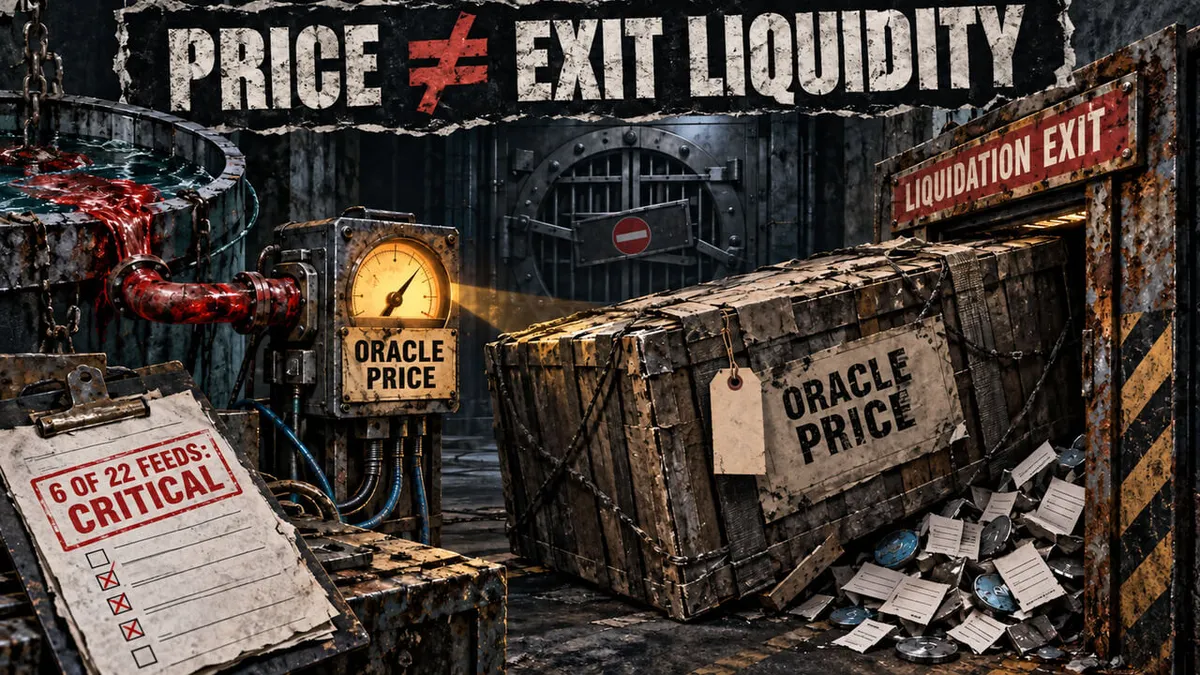
Pragma flags 6 price feeds as critical risk following $3.5M Starknet lending exploit

Ethereum's $120 billion in staking masks underlying supply dynamics

NEAR price surges 80% weekly as Intents volume approaches $30 billion
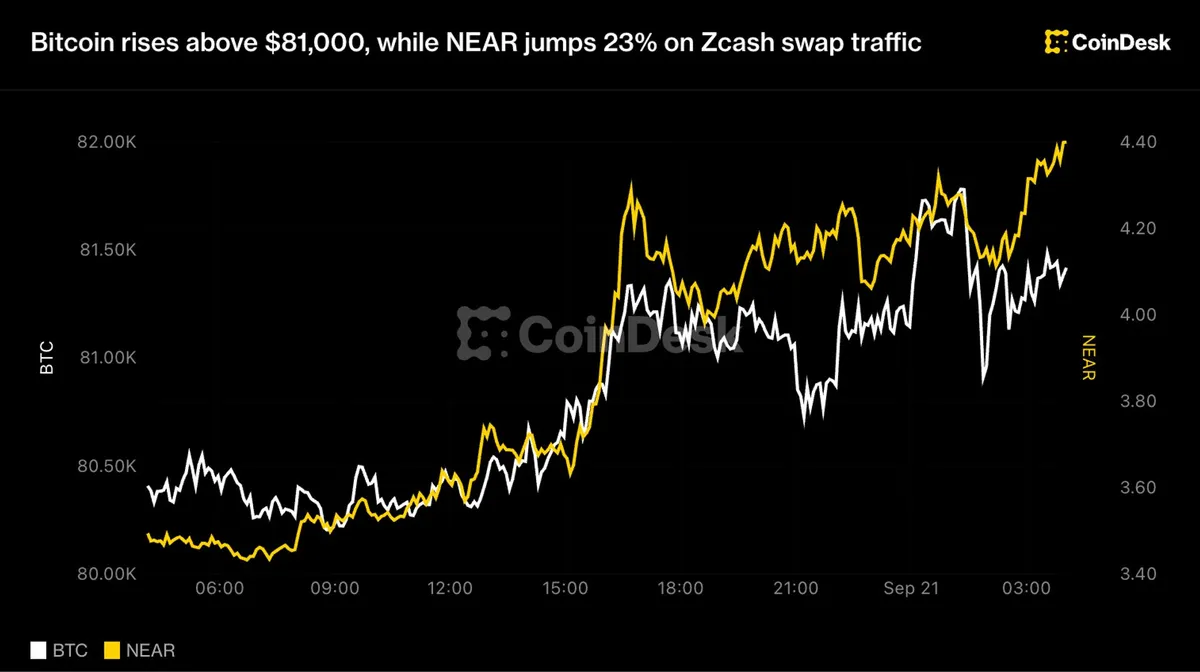
Bitcoin surpasses $81,000 as NEAR surges 23% amid Zcash swap activity