SEC staff’s staking-token split spotlights the exit risks behind staked ETH tokens

The recent split in the classification of staking tokens by the SEC staff has raised significant concerns regarding the exit risks associated with staked ETH tokens. The classifications do not distinctly categorize either product, leading to uncertainties for investors looking to withdraw their funds. This lack of clarity may impact how users perceive the safety and liquidity of their staked ETH, as practical routes back to ETH are governed by the terms set by platforms like Coinbase and the withdrawal queue established by Lido.
Staked ETH has become a popular choice among investors looking to earn rewards while contributing to the Ethereum network's security. However, the mechanics behind staking and withdrawal are complex, and the SEC's recent stance highlights a growing need for regulatory clarity. As more users engage with staking services, understanding the potential risks tied to withdrawal processes is crucial, especially when it comes to the implications of the SEC's classification.
This development is particularly significant for the market as it underscores the potential vulnerabilities associated with staked assets. Investors may become more cautious, leading to changes in demand for staking services and their associated tokens. The uncertainty introduced by the SEC's classification could also prompt other regulatory bodies to reassess their stances on staking, potentially leading to a wider impact on the crypto market.
Industry reactions to the SEC staff's classification have been mixed, with some experts emphasizing the need for clearer guidelines to protect investors. Others argue that the existing frameworks are sufficient, but the lack of explicit categorization could deter new entrants into the staking market. Stakeholders in the Ethereum ecosystem, including developers and platforms, are likely monitoring these developments closely and may push for more robust regulatory guidance.
Looking ahead, the ongoing discussions around staking and token classification could lead to a reevaluation of the regulatory landscape for decentralized finance (DeFi) products. As the SEC continues to refine its approach, it may set precedents that affect how staking tokens are viewed in terms of securities law. For investors, staying informed about these changes will be essential as they navigate the complexities of staking and withdrawal processes in the evolving crypto landscape.

CoinMagnetic Team
Crypto investors since 2017. We trade with our own money and test every exchange ourselves.
Updated: September 2026
From our insights:
Related news
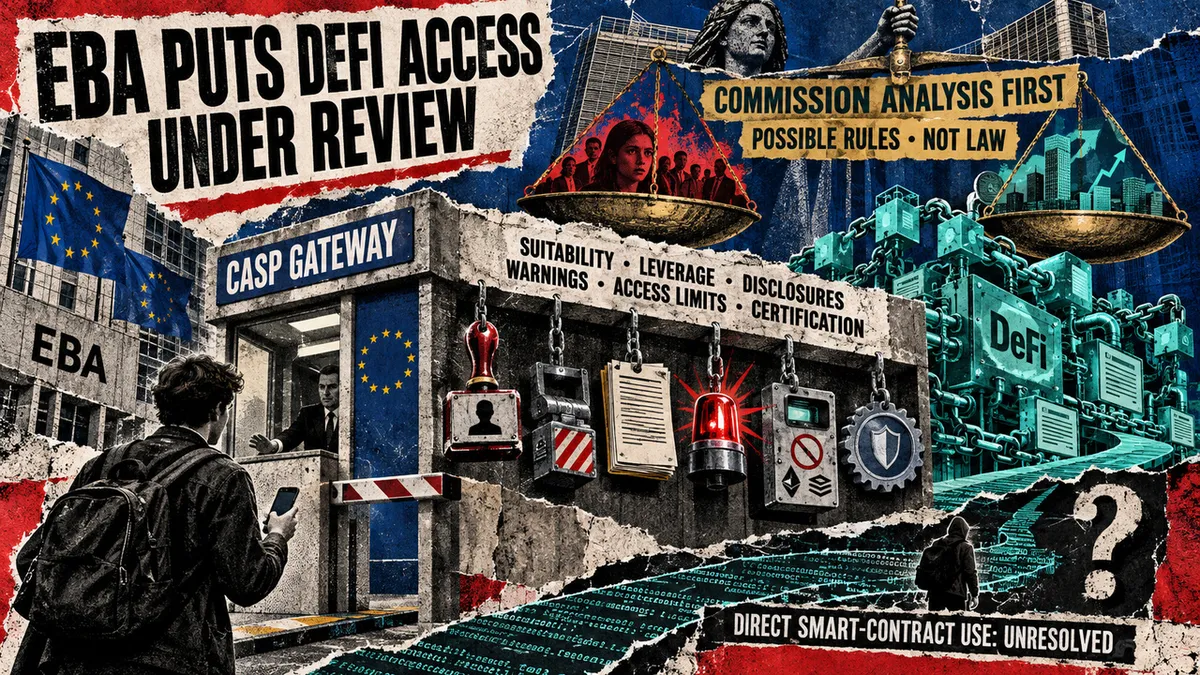
September 30 deadline looms for EU's decision on DeFi lending future
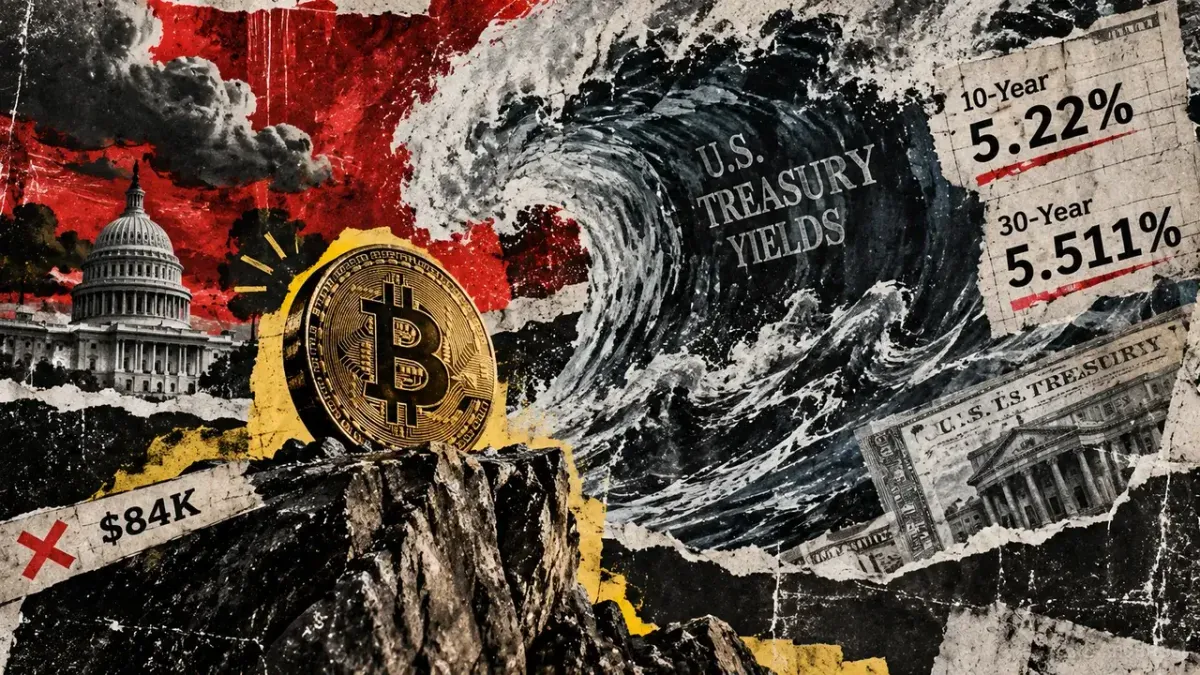
Bitcoin remains steady near $84,000 amid 5.2% Treasury yield spike

Aave V4 on Base adds Coinbase tokenized stocks as collateral for USDC loans
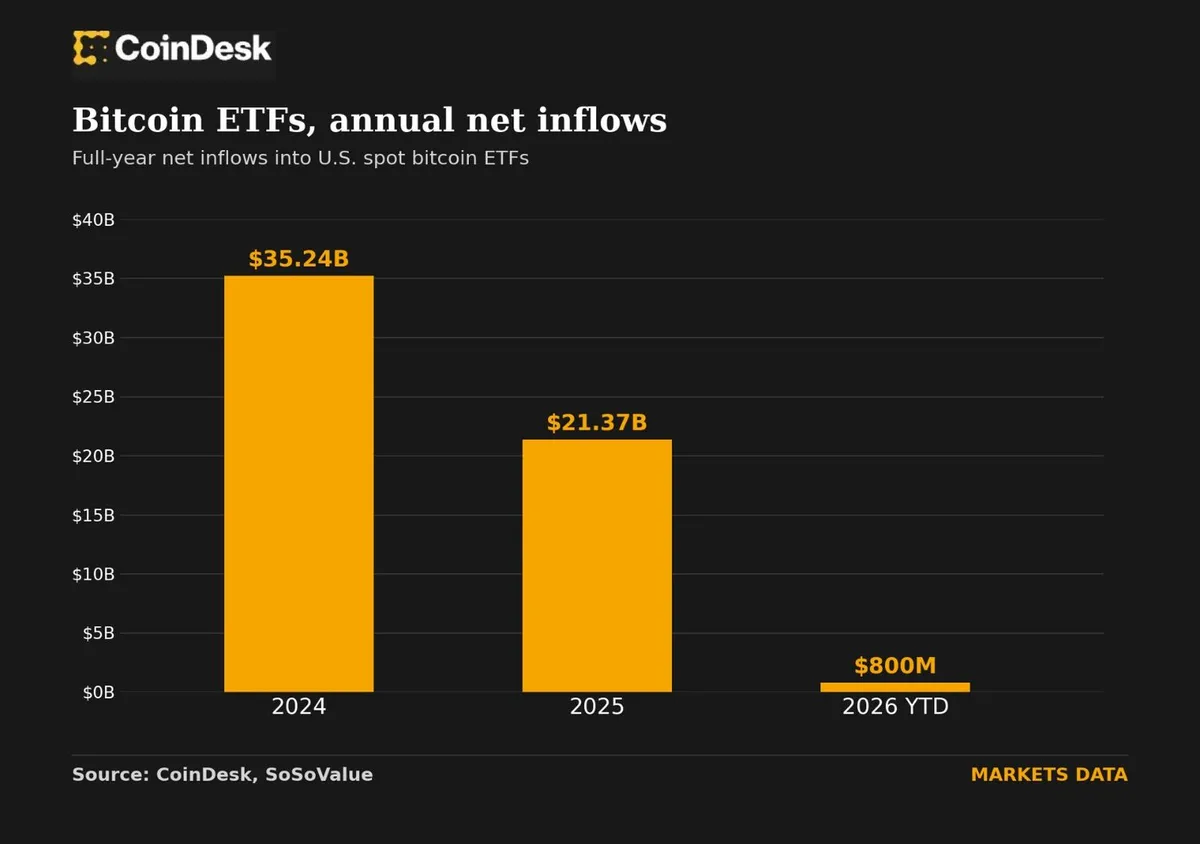
Bitcoin ETFs shift from $5.8 billion outflows to $800 million inflows in 2026
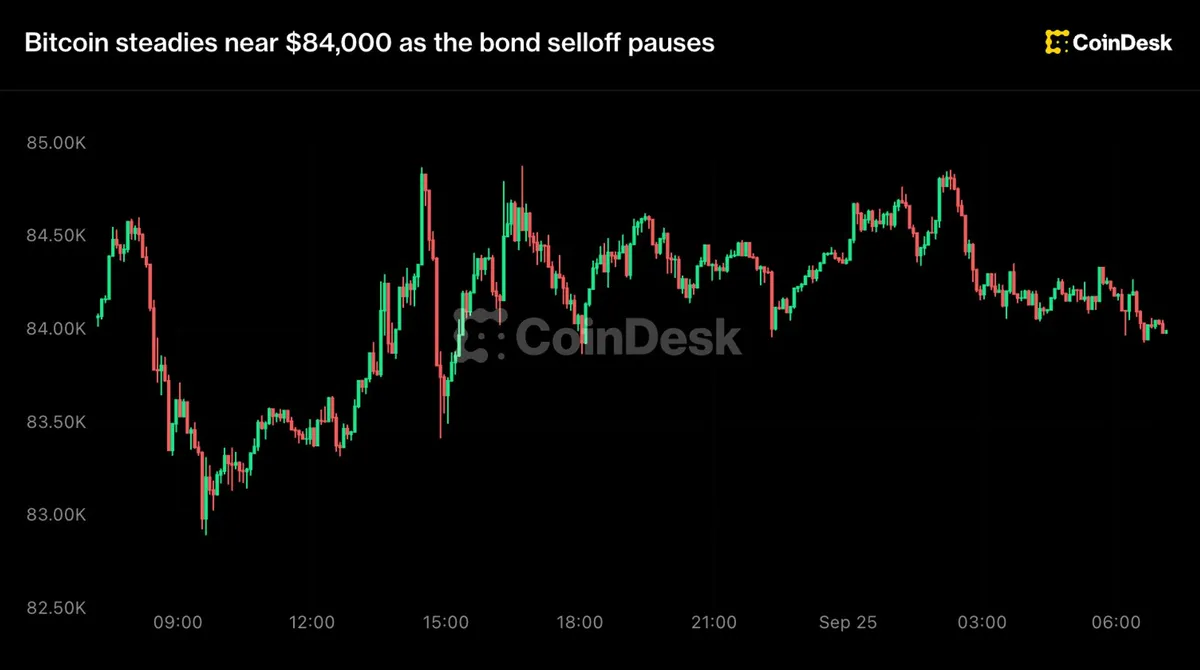
Bitcoin holds near $84,000 as Treasury yields ease amid bond selloff pause