SEC's Peirce tempers expectations over tokenized stocks exemption
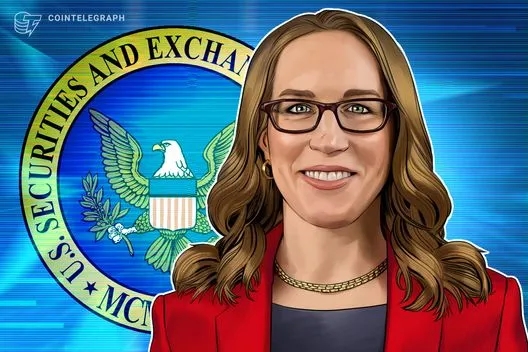
In a recent statement, Hester Peirce, a commissioner at the U.S. Securities and Exchange Commission (SEC), has tempered expectations regarding the potential for tokenized stocks to receive regulatory exemptions. Peirce emphasized that while the tokenization of traditional assets like stocks holds promise for innovation in the financial sector, any such developments must adhere to existing securities laws. This cautious stance suggests that the SEC may not be as lenient as some in the industry had hoped, particularly concerning the regulatory framework governing decentralized finance (DeFi) and tokenization platforms.
To understand the implications of Peirce's comments, it's important to consider the broader context surrounding the regulatory environment for digital assets. Over the past few years, tokenization has gained traction as a means to digitize traditional assets, making them more accessible and easier to trade. However, this shift has raised concerns among regulators about investor protection and market integrity. Peirce's remarks signal a commitment to ensuring that any innovations in tokenized assets do not circumvent the stringent rules that govern capital markets, which have been designed to protect investors and maintain market stability.
This nuanced position from the SEC is significant for the market, as it highlights the ongoing tension between innovation and regulation in the cryptocurrency space. For companies looking to tokenize stocks, Peirce's comments suggest that they may face more hurdles than previously anticipated. Market participants may need to reassess their strategies for integrating tokenized assets into their offerings, potentially slowing down the momentum that the tokenization trend has gained. Investors will be closely monitoring how these regulatory developments unfold, especially as they could impact the liquidity and attractiveness of tokenized stocks.
Industry reactions to Peirce's statements have been mixed. Some experts argue that a more cautious regulatory approach could foster long-term stability and trust in the market, while others express concern that overly stringent rules could stifle innovation and limit the potential of DeFi. An executive from Superstate, a tokenization platform, noted that a stricter regulatory framework could actually benefit the industry by providing a clearer path for compliance, thus encouraging broader adoption of DeFi technologies without compromising investor protections. This sentiment reflects a growing recognition of the need for balance between innovation and regulation.
Looking ahead, the future of tokenized stocks will likely hinge on ongoing discussions between regulators and industry stakeholders. As the SEC continues to refine its approach to digital assets, we can expect further clarifications and guidelines that may shape the landscape for tokenization. Companies actively engaged in this space will need to stay informed and agile, adapting to the evolving regulatory framework while exploring new opportunities for growth. The outcome of these discussions will be critical in determining how tokenized assets can coexist with existing financial structures, ultimately influencing the trajectory of both traditional and decentralized finance.

CoinMagnetic Team
Crypto investors since 2017. We trade with our own money and test every exchange ourselves.
Updated: May 2026
From our insights:
Related news
DeepSeek to address UN Security Council on AI risks alongside Dario Amodei
Lummis blames Democrats for failed crypto Clarity Act vote
Federal approval won’t guarantee success for Agora, Catena, and Bastion
Regulatory clarity on crypto relies on officials, not Congress, says White House
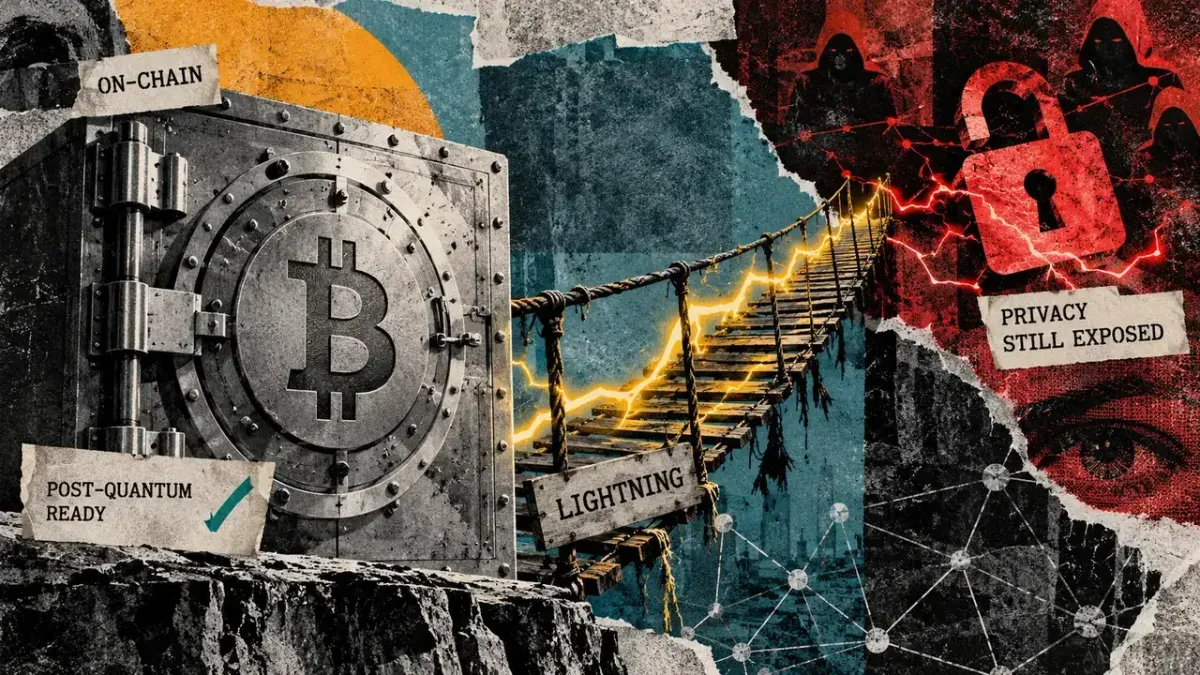
PQLN enhances Bitcoin's quantum safety but raises privacy concerns for Lightning