Scan reveals 96,000 fake-address outputs clogging Bitcoin’s unspent database

A recent scan conducted by Bitquery has uncovered a significant issue within Bitcoin's unspent transaction output (UTXO) database, revealing that a staggering 96,000 fake-address outputs are currently congesting the system. This finding highlights the implications of cheap OP_RETURN repetition and how the use of fake addresses can impose different costs on Bitcoin nodes. The data not only points to potential inefficiencies but also raises concerns about the broader impact on transaction processing and network health.
Historically, Bitcoin's UTXO set has been a critical component of its functionality, enabling the verification of transactions without requiring a centralized authority. However, as the network has grown, so have the complexities associated with managing this database. The introduction of cheap OP_RETURN transactions has made it easier for users to create outputs, but the proliferation of fake addresses introduces unnecessary clutter that could slow down the network and strain node operators.
This situation matters significantly for the overall health of the Bitcoin network. With 96,000 fake-address outputs, nodes may experience increased memory usage and processing times, potentially leading to a decline in transaction throughput. As the network struggles with congestion, users may face higher fees and longer confirmation times, which could deter new participants and impact Bitcoin's usability as a medium of exchange.
Industry experts are taking note of these findings, with many expressing concern over the implications of such a large number of fake outputs. Some believe that this situation calls for a reevaluation of the OP_RETURN mechanism and its cost structure, suggesting that adjustments could help mitigate the impact of fake addresses. Others advocate for more robust monitoring and filtering solutions to help nodes manage their UTXO sets more effectively.
Looking ahead, the Bitcoin community will need to address these challenges to ensure the network remains efficient and user-friendly. Potential solutions may involve implementing changes to the OP_RETURN protocol or enhancing the ways in which nodes handle fake addresses. As discussions continue, the importance of maintaining a healthy UTXO database will remain a top priority for developers and users alike.

CoinMagnetic Team
Crypto investors since 2017. We trade with our own money and test every exchange ourselves.
Updated: September 2026
From our insights:
Related news

Bitcoin faces a potential $80,000 support retest as traditional equities recover
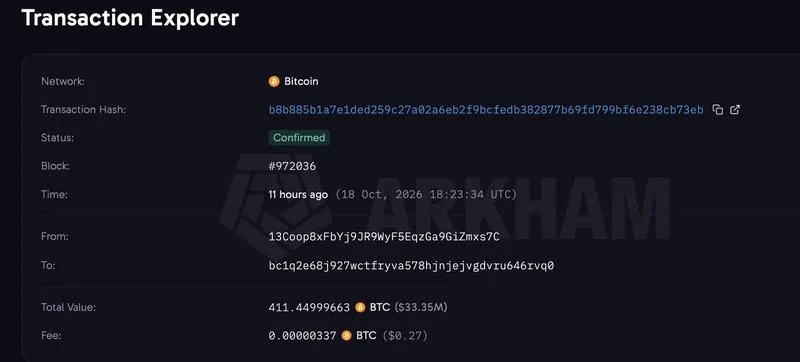
Dormant wallet moves $34 million in BTC acquired in 2013 at $131 each

World biometric verification integration on Zoom combats deepfake fraud
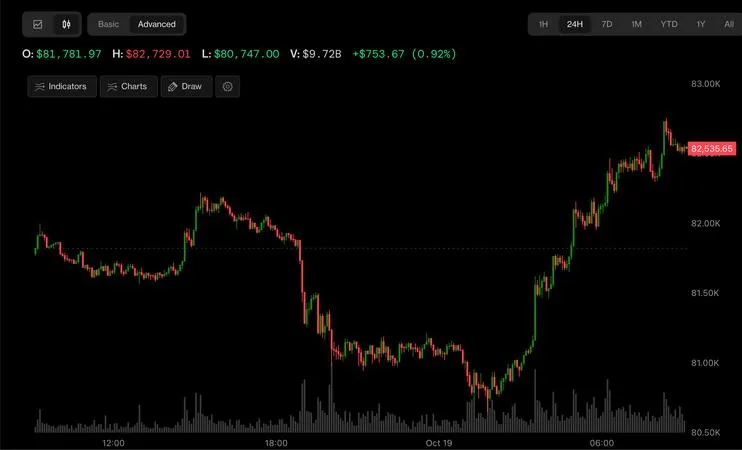
China GDP beat and lower oil prices drive risk asset gains across global markets

Richard Heart detained as crypto developments unfold in Istanbul and beyond