World biometric verification integration on Zoom combats deepfake fraud

As artificial intelligence video generation becomes increasingly sophisticated, the line between reality and digital fabrication continues to blur. To address this growing security concern, we are seeing the Sam Altman-backed project World introduce biometric verification badges for enterprise users on Zoom. This new feature allows meeting participants to confirm their identity through cryptographic proof, ensuring that the faces appearing on corporate video calls belong to actual living humans rather than advanced deepfake algorithms.
This development builds upon World's broader initiative to establish decentralized digital identity verification across the internet. Previously known as Worldcoin, the project relies on specialized hardware to scan irises and generate unique cryptographic identifiers while maintaining user privacy through zero-knowledge proofs. Integrating this technology into enterprise communication tools represents a significant pivot toward mainstream productivity applications, moving the protocol beyond cryptocurrency-specific use cases and into everyday digital infrastructure.
The implications of this integration for the broader market are substantial, particularly as corporate espionage and social engineering attacks leverage generative AI. Enterprise communication platforms have long been prime targets for malicious actors seeking to bypass security controls through audio and video impersonation. By introducing a verifiable layer of trust to Zoom meetings, organizations gain a standardized defense mechanism against sophisticated fraud, which could set a new compliance benchmark for remote work security across industries.
Industry observers have responded with a mix of cautious optimism and familiar privacy-related scrutiny. Cybersecurity professionals generally welcome any robust tool capable of neutralizing real-time deepfake threats in boardroom settings. At the same time, privacy advocates continue to scrutinize the involvement of biometric data collection systems, questioning the long-term governance and centralization risks associated with protocols backed by high-profile figures like Sam Altman.
Looking ahead, the success of this integration will likely depend on enterprise adoption rates and how smoothly the verification process fits into daily workflows. If businesses embrace these proof of human badges to secure sensitive communications, we can expect other major video conferencing and collaboration platforms to explore similar cryptographic identity solutions to stay competitive in an AI-driven threat landscape.

CoinMagnetic Team
Crypto investors since 2017. We trade with our own money and test every exchange ourselves.
Updated: October 2026
From our insights:
Related news
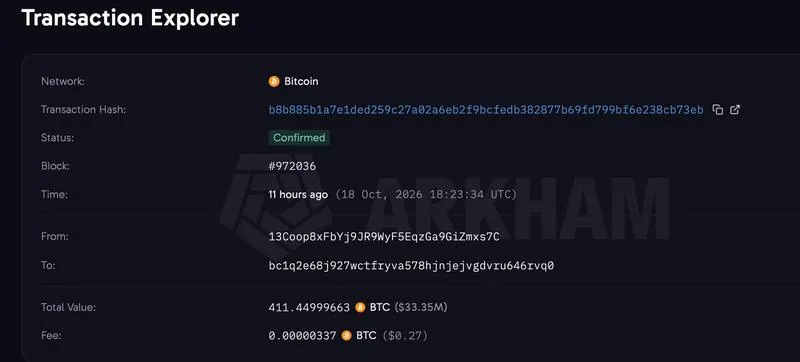
Dormant wallet moves $34 million in BTC acquired in 2013 at $131 each

China GDP beat and lower oil prices drive risk asset gains across global markets

Richard Heart detained as crypto developments unfold in Istanbul and beyond

Crypto.com, Novig sue Missouri over sports event contracts; Kalshi, Polymarket, Robinhood hold off
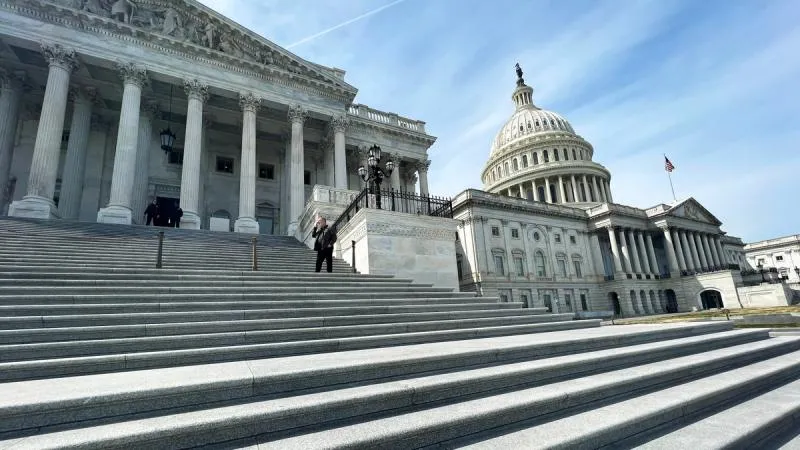
Patrick Witt exits White House crypto role as administration policy shifts