Scale of Stablecoin Adoption in Nigeria Makes Risks 'More Pronounced', Says IMF
The recent report from the International Monetary Fund (IMF) highlights the growing adoption of stablecoins in Nigeria, drawing attention to the potential risks associated with this trend. Researchers at the IMF noted that the increasing popularity of stablecoins in the country poses significant challenges for regulators. Despite efforts to curb their use, the IMF believes that these actions will only be partially effective in managing the risks involved. The organization emphasized the need for a more comprehensive regulatory framework to address the complexities brought about by stablecoins in Nigeria's financial landscape.
To understand the context of this situation, it is essential to consider Nigeria's financial ecosystem. The country has been grappling with economic instability, high inflation rates, and a lack of access to traditional banking services for many of its citizens. In this environment, stablecoins have emerged as an appealing alternative, offering a more stable store of value and facilitating digital transactions. The rise of stablecoins has been fueled by the increasing penetration of mobile technology and internet access, allowing people to engage in the cryptocurrency market more easily. This backdrop has made the adoption of stablecoins particularly pronounced in Nigeria, setting the stage for regulatory scrutiny.
The implications of this trend for the broader cryptocurrency market cannot be understated. As stablecoins become more integrated into the financial fabric of Nigeria, they may influence how other countries approach regulation and adoption of digital currencies. The IMF's warning about the risks associated with stablecoins, including concerns over financial stability and potential money laundering, raises questions about the long-term sustainability of this financial innovation. If stablecoin use continues to expand unchecked, it may lead to increased volatility in both domestic and international markets.
Industry experts have responded to the IMF's findings with a mix of concern and optimism. Some analysts argue that the rapid adoption of stablecoins could accelerate financial inclusion in Nigeria, allowing more individuals to participate in the digital economy. However, others caution that without adequate regulatory measures, the risks highlighted by the IMF could materialize, potentially undermining the benefits of stablecoin use. The debate around the future of stablecoins in Nigeria underscores a broader conversation happening globally about how to balance innovation with regulatory oversight.
Looking ahead, the situation in Nigeria may prompt other countries to reassess their approaches to stablecoin regulation. As the IMF calls for a more robust regulatory framework, it seems likely that we will see increased collaboration among financial authorities, both within Nigeria and internationally. The outcome of these discussions could significantly shape the future landscape of stablecoins, influencing how they are perceived and utilized in emerging markets around the world. As the situation develops, stakeholders will need to remain vigilant, ensuring that the benefits of stablecoin adoption do not come at the cost of financial stability and security.

CoinMagnetic Team
Crypto investors since 2017. We trade with our own money and test every exchange ourselves.
Updated: June 2026
From our insights:
Related news
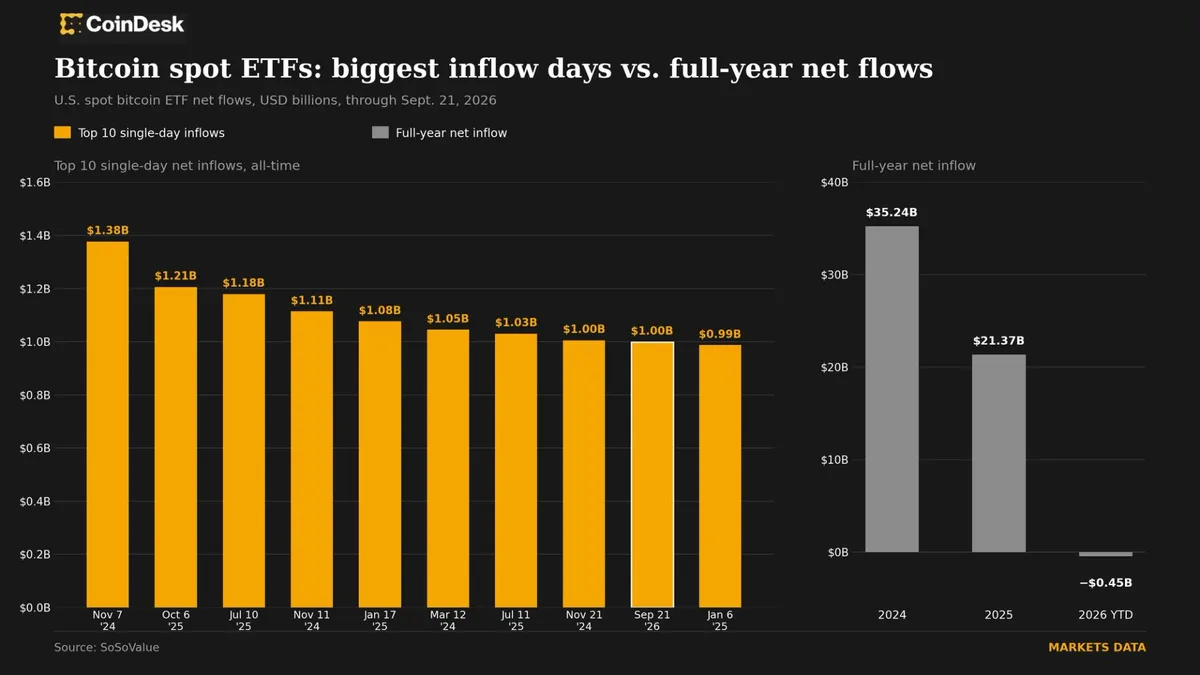
Spot bitcoin ETFs see nearly $1 billion inflow as bitcoin hits January highs

US spot Bitcoin ETFs see nearly $1 billion inflow, highest since October 2025

Bitcoin's rise to $86,000 restores profitability for ETF investors
Apple and Google seek crypto experts, signaling potential stablecoin initiatives
ECB initiates bond purchases using its own funds in crypto-linked system