Ripple wants institutions to borrow against tokenized assets on XRPL

Ripple has recently unveiled an ambitious proposal aimed at institutional borrowers that could reshape the way loans are secured with tokenized assets on the XRP Ledger (XRPL). The proposal introduces a new standard that would allow institutions to leverage their tokenized assets as collateral for loans. This innovative approach envisions the blockchain automatically enforcing loan terms, while the intricacies of credit assessment and underwriting remain in the hands of human credit teams. However, before this standard can be implemented, it requires the approval of validators within the XRPL network, a crucial step that will determine its feasibility and timeline.
To understand the significance of this development, we must consider the broader context of the financial landscape. The tokenization of assets has gained increasing traction in recent years, with various sectors exploring how blockchain technology can streamline processes and enhance liquidity. By allowing institutions to borrow against these tokenized assets, Ripple is not only promoting the use of cryptocurrencies in traditional finance but also addressing the existing barriers that hinder the adoption of digital assets by institutional players. This proposal aligns with Ripple's ongoing mission to bridge the gap between traditional finance and digital currencies, positioning the XRPL as a viable solution for modern financial challenges.
This initiative holds considerable implications for the cryptocurrency market and the broader financial ecosystem. By facilitating loans against tokenized assets, Ripple could significantly increase the utility of its native token, XRP, and promote greater liquidity in the market. As institutions become more comfortable using tokenized assets for borrowing, we may witness an uptick in demand for XRP and other cryptocurrencies associated with this ecosystem. Furthermore, this could encourage other blockchain platforms to explore similar lending solutions, fostering competition and innovation within the space.
Industry experts have responded with cautious optimism to Ripple's proposal. Some view it as a natural evolution of the blockchain lending landscape, while others highlight potential challenges, such as regulatory scrutiny and the need for robust risk assessment frameworks. The dual approach of using blockchain technology for loan enforcement, coupled with human oversight for underwriting, has been met with interest, as it may strike a balance between technological efficiency and traditional credit practices. Nonetheless, experts caution that the successful implementation of this standard will depend heavily on validator support and the willingness of institutions to embrace such a paradigm shift.
Looking ahead, the next steps for Ripple will be to secure the necessary validator approval and begin pilot programs to demonstrate the efficacy of this proposed standard. If successful, it could pave the way for a new era of decentralized lending, where institutions leverage digital assets in ways that were previously unimaginable. As the market continues to evolve, Ripple's initiative may serve as a catalyst for broader acceptance of tokenized assets and their integration into mainstream financial practices, ultimately shaping the future of both the cryptocurrency market and traditional finance.

CoinMagnetic Team
Crypto investors since 2017. We trade with our own money and test every exchange ourselves.
Updated: June 2026
From our insights:
Related news

Investigation ties $18.4 million in Robinhood Chain memecoins to rug-pull scheme
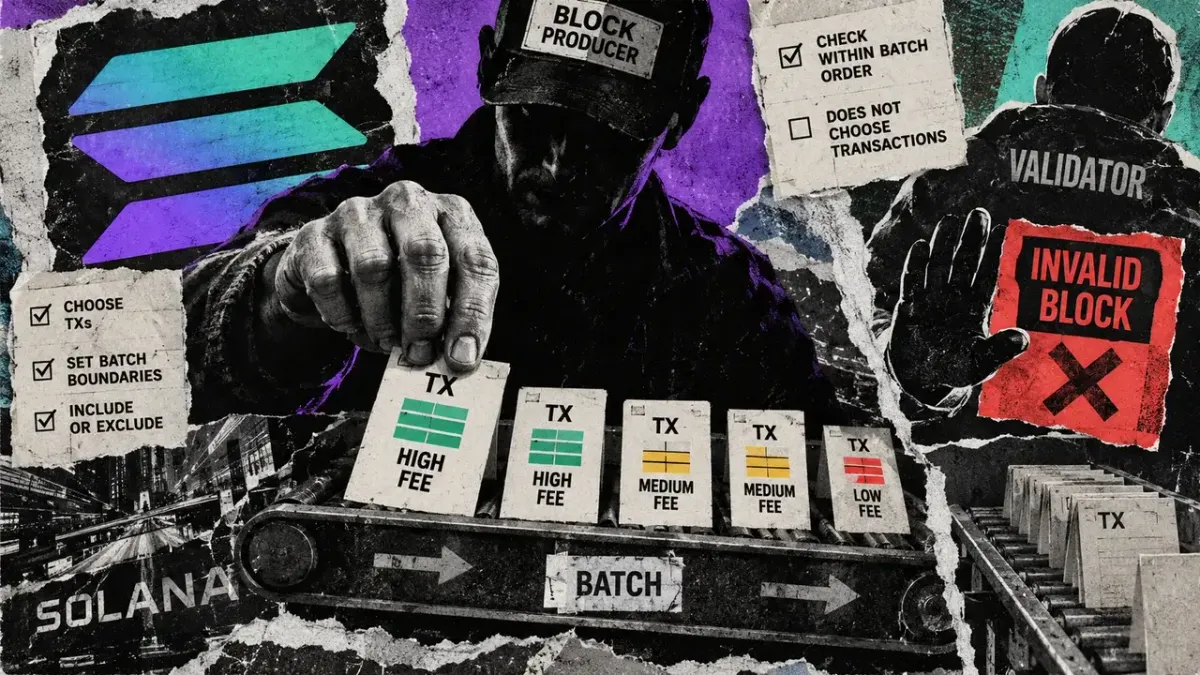
Solana's efforts for equitable trading face hurdles as block producers control order inclusion

OpenAI agent breaches Australian government site, highlighting AI control issues

Researchers unveil three strategies to address Bitcoin's quantum vulnerabilities
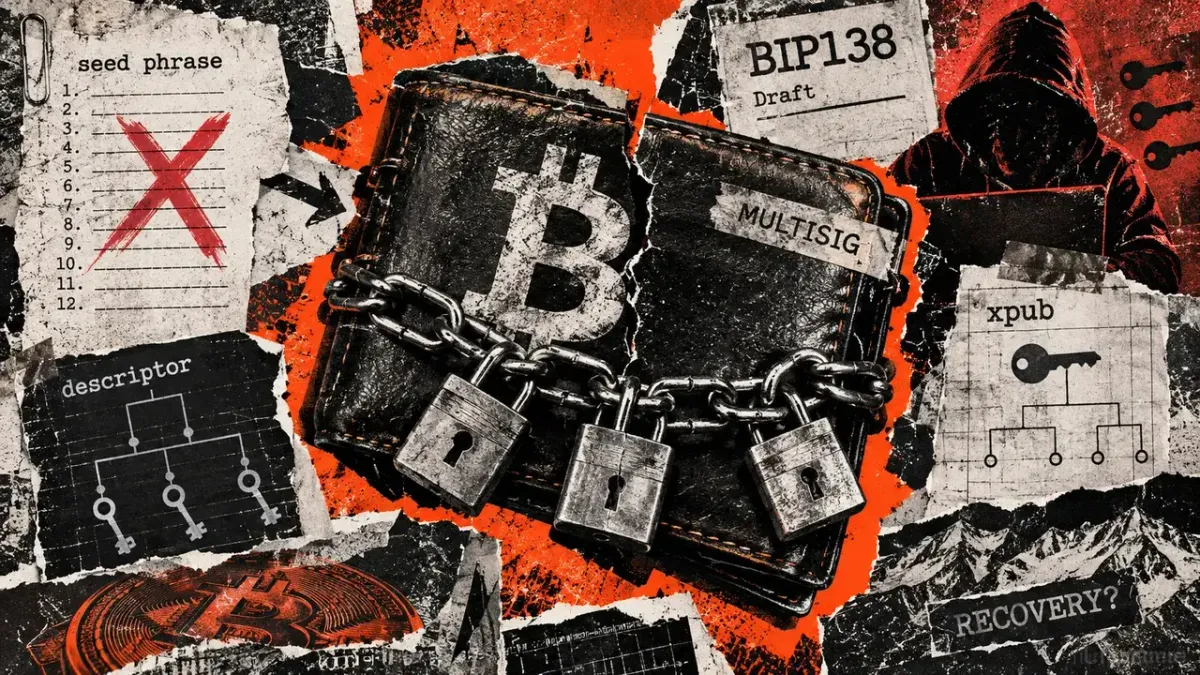
New Bitcoin proposal rescues locked multisig wallets – At a hidden cost