Google launches Gemini 3.7 Flash AI model while OpenAI's GPT-5.6 Sol is invite-only

Google and OpenAI have made significant strides in the AI landscape with the debut of their latest models–Google's Gemini 3.7 Flash and OpenAI's GPT-5.6 Sol. Gemini 3.7 Flash is now live and specifically designed for cost-effective deployment, making it accessible for various applications. In contrast, OpenAI's GPT-5.6 Sol is touted for its speed and performance, but currently, it is available only to a select group of users through an invite-only system, raising questions about accessibility and user experience.
The introduction of these models comes at a time when the AI industry is rapidly evolving, with competition intensifying among tech giants. Google's Gemini model reflects the company’s commitment to creating efficient and affordable AI solutions, catering to businesses that require fast and reliable agents without incurring excessive costs. On the other hand, OpenAI's approach with the GPT-5.6 Sol underscores a focus on performance, possibly hinting at the demand for more powerful AI capabilities that can handle complex tasks in real-time.
This development is significant for the market as it indicates a clear shift towards prioritizing both speed and cost-effectiveness in AI technologies. Businesses that can leverage these advancements may gain a competitive edge, particularly in sectors where quick decision-making is essential. The contrasting strategies of Google and OpenAI also highlight the diverse needs within the AI community–some users may prioritize affordability, while others may be willing to wait for enhanced performance.
Industry reactions to this launch have been mixed, with experts praising Google's focus on affordability but expressing concern over OpenAI's limited access to its faster model. Some analysts believe that OpenAI's approach could create a divide in the market, where only certain users or organizations can benefit from cutting-edge technology. Conversely, Google's move is seen as a potential democratization of AI capabilities, allowing more players to enter the field and innovate.
Looking ahead, it will be interesting to see how the user base for both models evolves. If OpenAI loosens its restrictions and makes GPT-5.6 Sol more widely available, it could challenge Google's early lead with Gemini. Alternatively, if Gemini continues to attract users due to its affordability, it may establish a strong foothold in the market, influencing future AI developments and strategies.

CoinMagnetic Team
Crypto investors since 2017. We trade with our own money and test every exchange ourselves.
Updated: August 2026
From our insights:
Related news
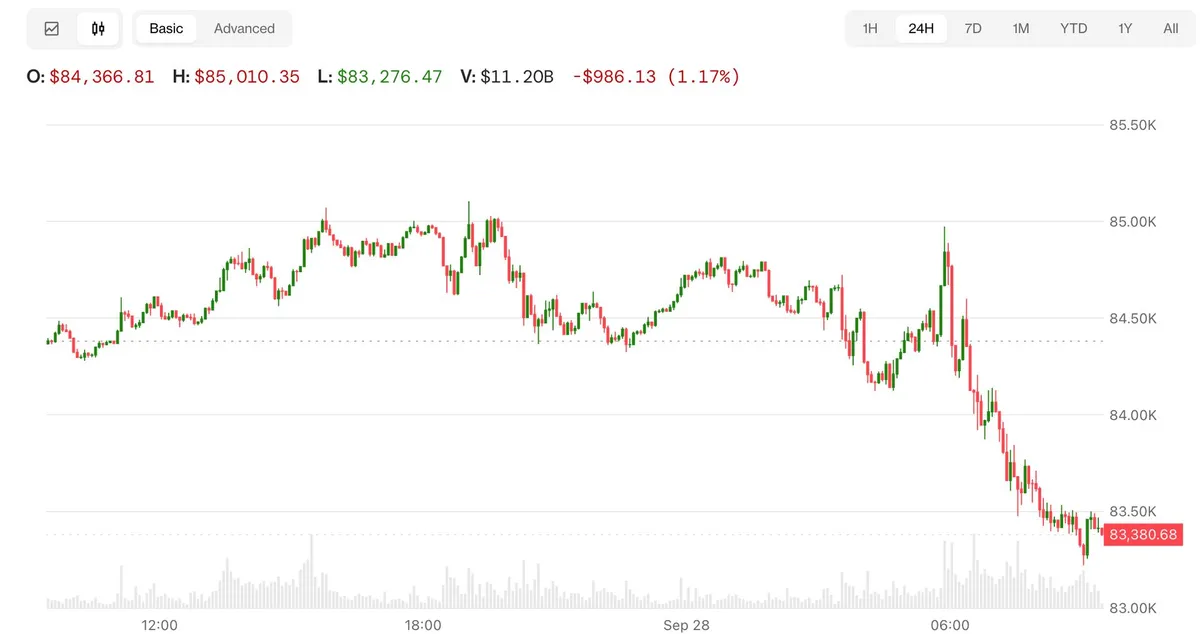
Bitcoin and Nasdaq futures drop amid Trump's Iran strike comments

September 30 marks $202 billion US Treasury settlement that may impact Bitcoin

Investigation ties $18.4 million in Robinhood Chain memecoins to rug-pull scheme

Solana's efforts for equitable trading face hurdles as block producers control order inclusion

OpenAI agent breaches Australian government site, highlighting AI control issues