Ripple’s MiCA win is not a full license yet – Here’s what it still has to prove

Ripple recently achieved a significant milestone by securing preliminary approval as a Crypto-Asset Service Provider (CASP) from Luxembourg's financial regulator, the CSSF. This approval, which was granted on June 23 in the form of a “Green Light Letter,” is a crucial step for Ripple as it aligns with its Electronic Money Institution (EMI) license obtained earlier in February. By obtaining these two licenses, Ripple positions itself within the framework of the European Union’s Markets in Crypto-Assets (MiCA) regulation, which aims to create a comprehensive regulatory environment for crypto assets across the region.
To understand the significance of this approval, it is essential to consider the broader context of regulatory developments in the cryptocurrency space. MiCA is designed to provide a clear set of rules that govern the issuance and trading of cryptocurrencies, thereby enhancing consumer protection and market integrity. Ripple's achievements in Luxembourg are particularly noteworthy given the increasing scrutiny faced by crypto companies worldwide. The preliminary approval marks an important step in Ripple's ongoing efforts to establish itself as a compliant player in the European market, especially in light of its ongoing legal battle with the U.S. Securities and Exchange Commission (SEC).
The implications of Ripple's progress in Luxembourg could be substantial for the broader cryptocurrency market. By positioning itself as a regulated entity within the EU, Ripple not only enhances its legitimacy but also sets a precedent for other crypto firms looking to navigate the regulatory landscape. This could potentially foster a more favorable environment for crypto adoption in Europe, encouraging other companies to pursue compliance and creating greater trust among investors. However, it is important to note that this preliminary approval is not a full license, and Ripple will need to fulfill additional requirements to fully operate as a CASP under MiCA.
Industry reactions to Ripple's recent developments have been mixed. Some experts view this as a positive step toward greater regulatory clarity in the crypto space, supporting the notion that companies can operate successfully within a regulated framework. Others, however, caution that while the preliminary approval is a step forward, Ripple still has challenges ahead. They emphasize that the company must demonstrate its ability to meet the ongoing regulatory expectations and maintain compliance with evolving standards in both Luxembourg and the broader EU.
As for what lies ahead for Ripple, the next steps will involve addressing any outstanding requirements set forth by the CSSF to secure a full license. Additionally, the company will likely continue to monitor the ongoing developments in its case with the SEC, as the outcome of that legal battle could have significant implications for its operations in the U.S. and beyond. The situation remains dynamic, and Ripple's journey through the evolving regulatory landscape will be closely watched by industry stakeholders and investors alike.

CoinMagnetic Team
Crypto investors since 2017. We trade with our own money and test every exchange ourselves.
Updated: June 2026
From our insights:
Related news
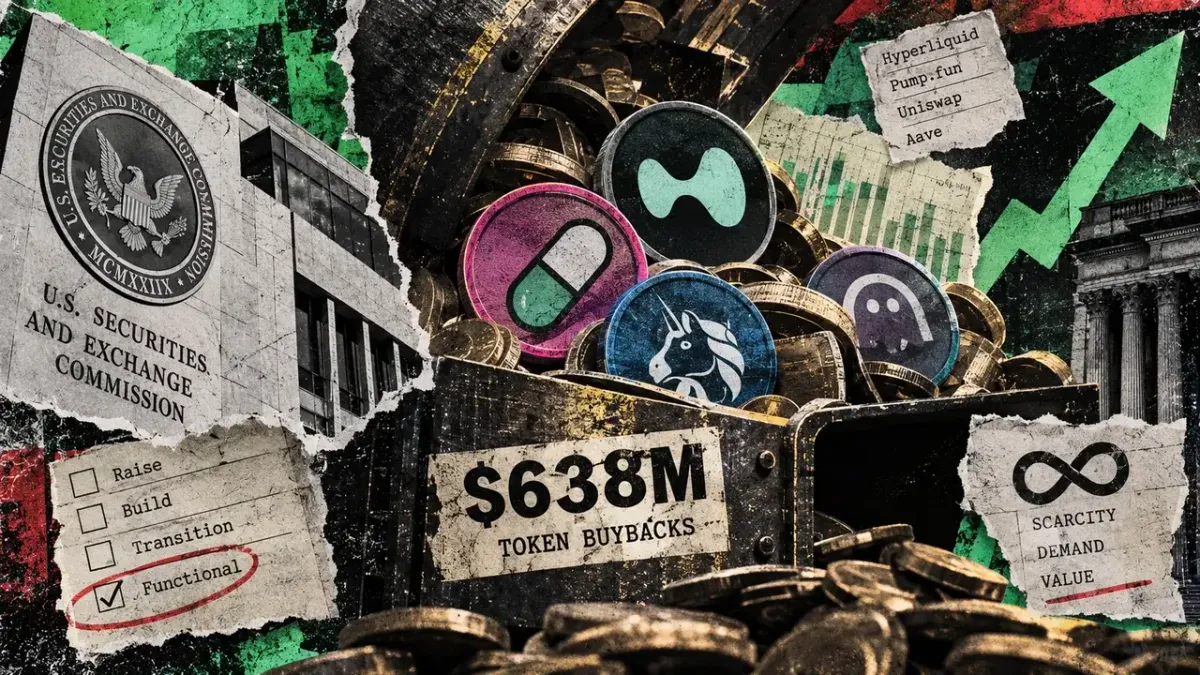
Crypto token buybacks reach $638 million as SEC clears path for projects

Bitcoin ETFs attract nearly $3 billion in seven days, reversing losses
After Clarity Act's failure, regulators take swift action on crypto rules
Kalshi loses appeal over Ohio and Tennessee sports betting laws, widening circuit split

LayerZero faces $292M lawsuit as $15B exits amid rsETH exploit fallout