Hawaii to become fourth state banning cryptocurrency ATMs starting Oct. 1
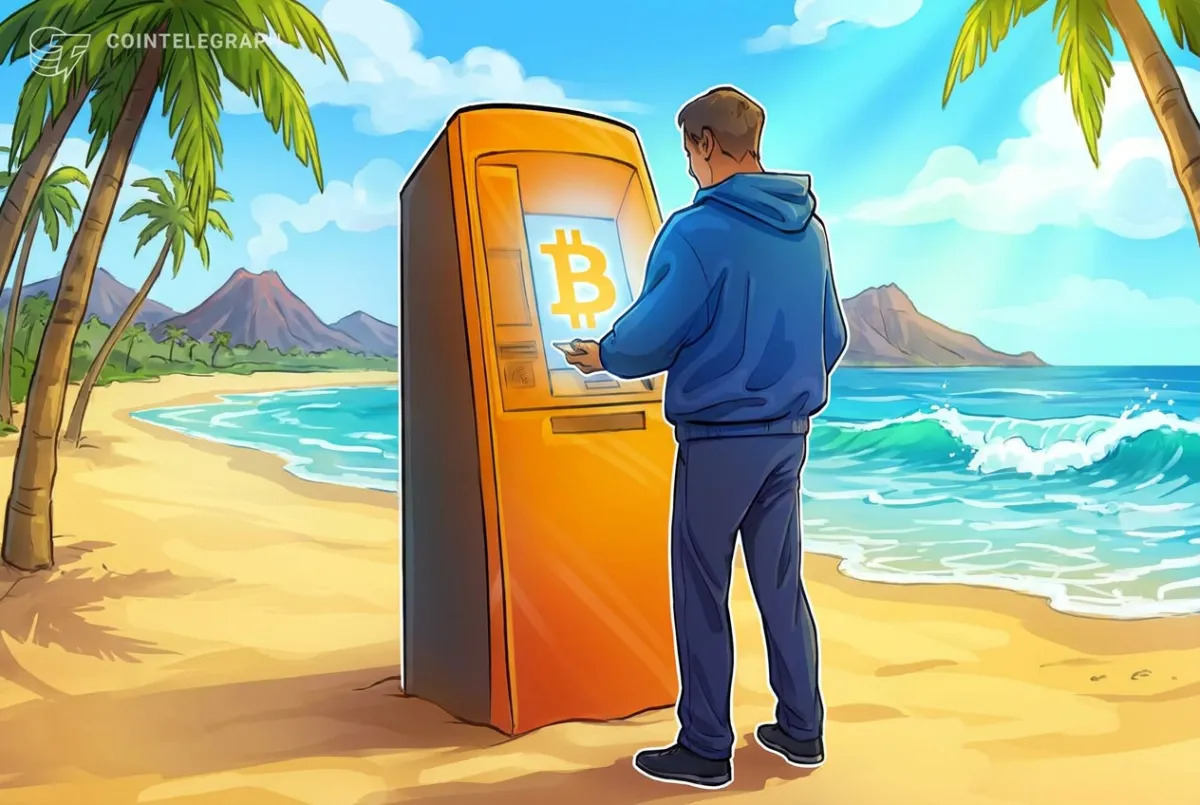
Hawaii is set to implement a complete ban on cryptocurrency ATMs and kiosks effective October 1. This decision aligns the state with Minnesota, Tennessee, and Indiana, which have also taken similar measures in response to a growing number of scams involving cryptocurrency transactions. The authorities in Hawaii have expressed concerns over the potential for fraud and the lack of consumer protections associated with these machines, leading to the decision to restrict their operation.
The context behind this ban is rooted in a larger national trend where states are increasingly scrutinizing the use of cryptocurrency-related services due to rising incidents of fraud and scams. The proliferation of cryptocurrency ATMs has made it easier for individuals to engage in transactions, but it has also opened up avenues for scammers to exploit unsuspecting victims. As states like Hawaii take steps to protect consumers, the regulatory landscape for cryptocurrency continues to evolve, reflecting a balance between innovation and consumer safety.
This move is significant for the cryptocurrency market as it highlights the ongoing challenges faced by the industry in gaining mainstream acceptance. The ban may deter potential users in Hawaii from engaging with cryptocurrencies through ATMs, which could result in decreased transaction volumes and overall market activity in the state. Additionally, it raises questions about the future of cryptocurrency services and the potential for further regulatory actions in other states.
Industry reactions to Hawaii's ban have been mixed. Some experts argue that while consumer protection is crucial, outright bans may hinder the adoption of cryptocurrency and stifle innovation. Others believe that regulations are necessary to build trust in the market and protect consumers from fraudulent activities. As the debate continues, industry stakeholders are calling for clearer guidelines and frameworks that can help facilitate safe and responsible use of cryptocurrency.
Looking ahead, it will be important to monitor how this ban in Hawaii influences other states and whether it prompts further regulatory measures across the country. The evolving landscape may lead to increased calls for industry self-regulation or the development of more robust consumer protection mechanisms that allow for the continued growth of cryptocurrency while addressing fraud concerns.

CoinMagnetic Team
Crypto investors since 2017. We trade with our own money and test every exchange ourselves.
Updated: August 2026
From our insights:
Related news
Michael Saylor proposes 'digital rights' to support 10 million new companies
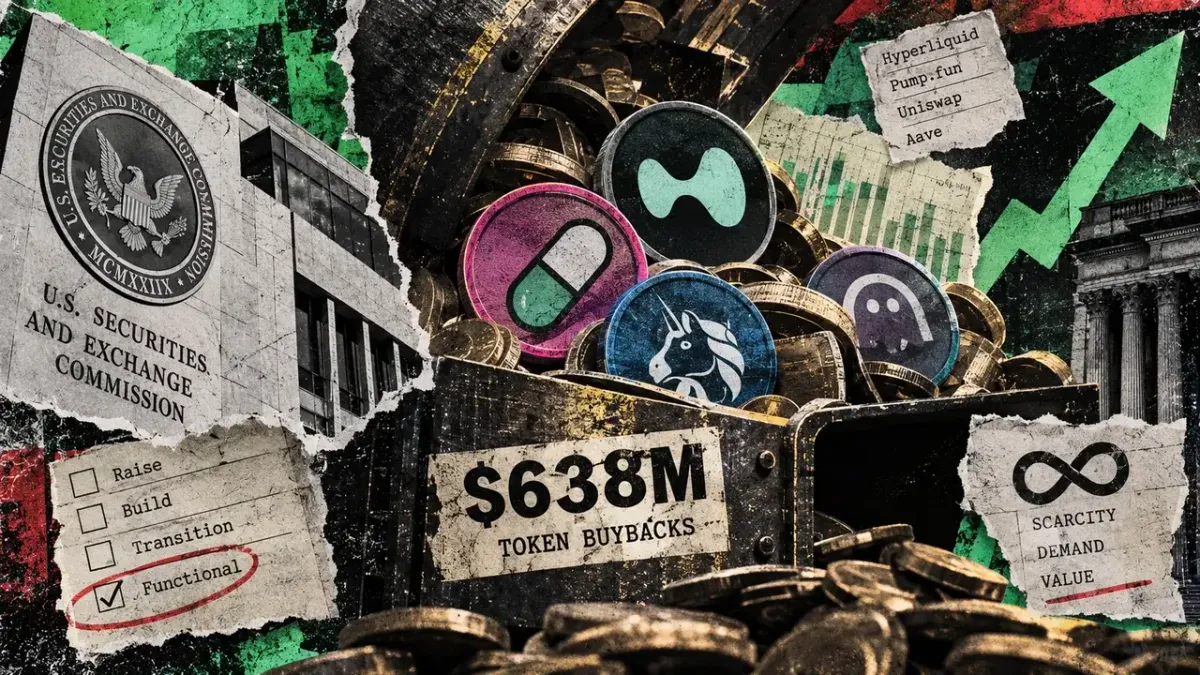
Crypto token buybacks reach $638 million as SEC clears path for projects
Bitcoin ETFs attract nearly $3 billion in seven days, reversing losses
After Clarity Act's failure, regulators take swift action on crypto rules
Kalshi loses appeal over Ohio and Tennessee sports betting laws, widening circuit split