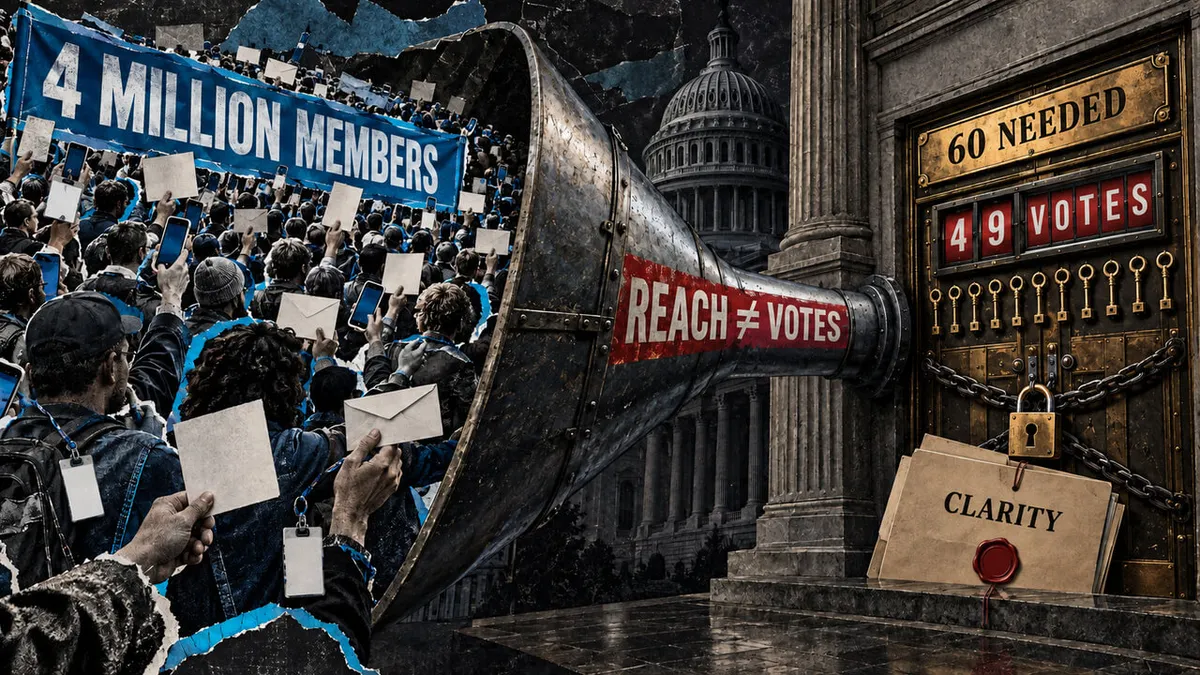
Regulation by hostility: the real legacy of Biden-era crypto policy

The recent discourse surrounding the Biden administration's approach to cryptocurrency regulation has reignited debates about the legacy of past policies and the implications for the industry's future. In a pointed op-ed for The New York Times, the author critiques the narrative that positions the current administration's regulatory stance as a necessary corrective, suggesting instead that it overlooks significant collateral damage from previous policies. The piece underscores the complexities of the regulatory landscape that has evolved since the surge of interest in digital assets, presenting a more nuanced view of how past decisions continue to shape the present.
To fully grasp the implications of this discussion, it is essential to consider the historical context of cryptocurrency regulation in the United States. The previous administration adopted a somewhat laissez-faire attitude, which some argue allowed for rampant speculation and a lack of investor protection. However, proponents of that approach claim it fostered innovation and growth in the crypto sector. As the Biden administration has taken a more interventionist stance, focusing on consumer protection and financial stability, the debate has intensified over whether this shift is warranted or if it stifles the potential of a burgeoning industry.
This ongoing regulatory tug-of-war matters significantly for the market as it influences investor sentiment and the operational strategies of crypto firms. A regulatory environment perceived as hostile can deter investment and innovation, while a more supportive framework might encourage growth and adoption. As the narrative surrounding the Biden administration's policies continues to evolve, market participants are keenly watching how regulatory clarity–or lack thereof–affects price volatility and the overall health of the crypto ecosystem.
Industry reactions have been mixed, with some experts applauding the current administration's emphasis on consumer protection and others expressing concern about the potential stifling of innovation. Voices within the crypto community highlight the need for balanced regulations that protect investors while allowing for the flexibility necessary for technological advancement. Furthermore, some argue that a more measured approach could promote a more stable market environment, ultimately benefiting all stakeholders involved.
Looking ahead, the future of cryptocurrency regulation in the U.S. remains uncertain. As stakeholders from various sectors continue to voice their opinions, the administration's next steps will be critical in shaping the industry's trajectory. Continued dialogue between regulators and industry participants will be essential in navigating the complexities of cryptocurrency policy, as both sides seek to achieve a balance that fosters innovation while ensuring consumer protection. The ongoing evolution of these regulatory frameworks will be crucial for the market's stability and growth in the years to come.

CoinMagnetic Team
Crypto investors since 2017. We trade with our own money and test every exchange ourselves.
Updated: April 2026
From our insights:
Related news

Reap aims to enhance cross-border FX with non-USD stablecoins including peso

ECB and EU central banks propose liquidity thresholds for stablecoins
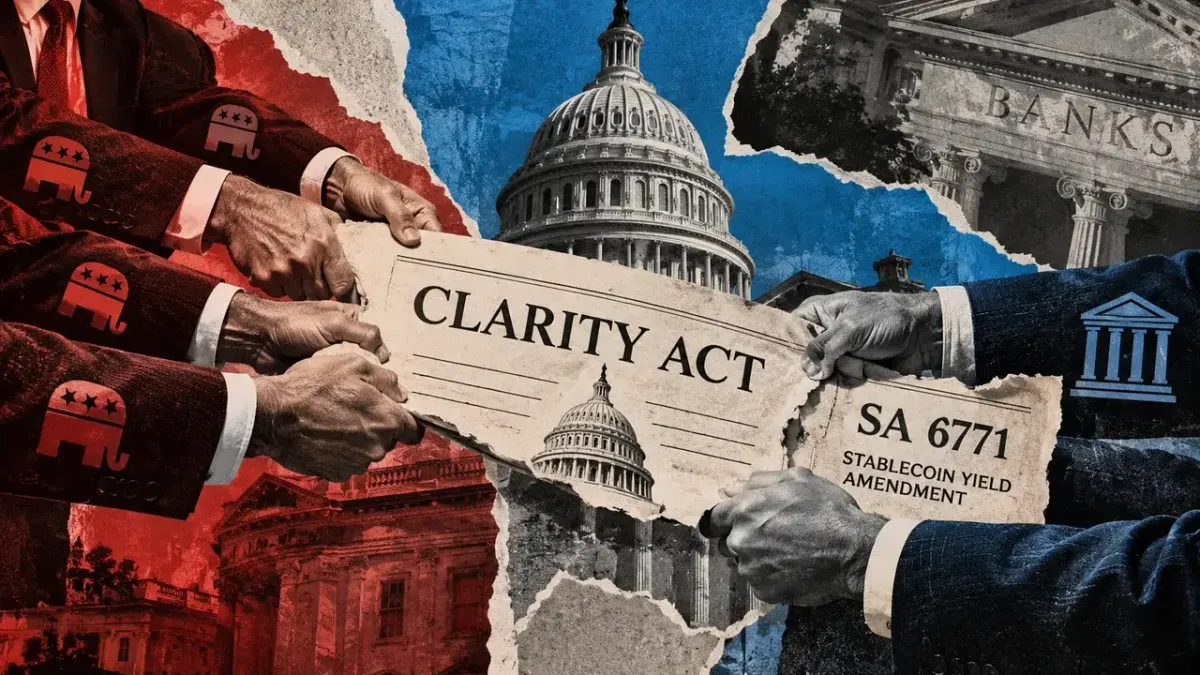
Four GOP senators backing CLARITY Act seek changes to stablecoin provisions

US investigates Binance for potential Iran-linked trading violations
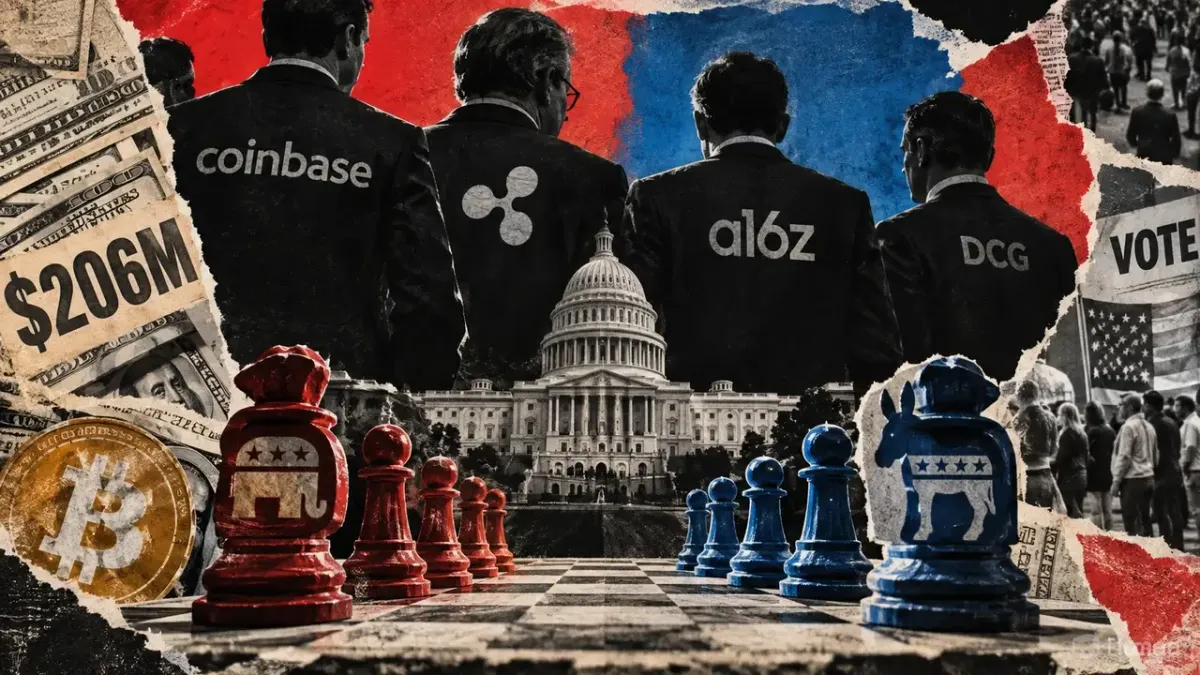
Crypto sector emerges as top donor with $206 million in midterms backing