Putin Signs Russia's First Crypto Law: Trading Is Legal, Payments Stay Banned
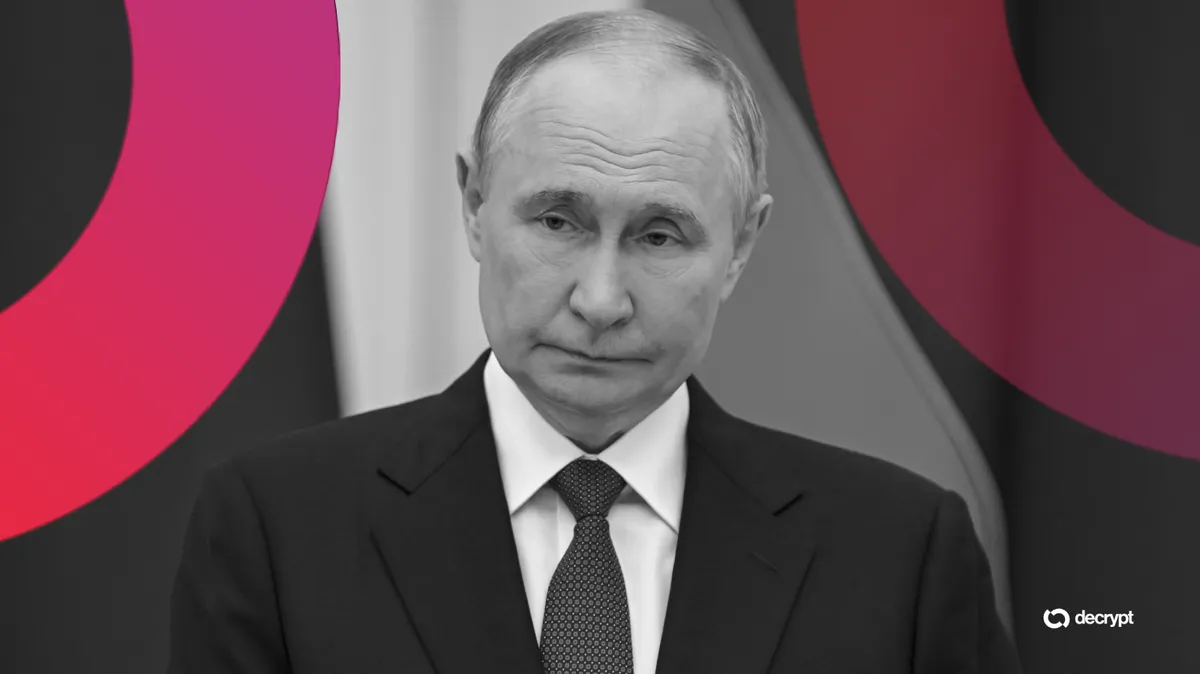
In a significant move for the crypto landscape, Russian President Vladimir Putin has signed into law the country’s first legislation governing cryptocurrencies. This new law establishes a regulated framework for trading digital assets, allowing for a licensed market that will be supervised by the Central Bank of Russia. However, while trading in cryptocurrencies is now legal, the law maintains a strict prohibition on the use of crypto for everyday payments, ensuring that digital currencies cannot be used as a medium of exchange in regular transactions.
The backdrop to this legislation has been a long-standing debate in Russia regarding the role of cryptocurrencies in the economy. Over the past few years, Russia's approach to crypto has been cautious, with authorities expressing concern over issues such as fraud, money laundering, and the potential for cryptocurrencies to undermine the state’s monetary policy. This cautious stance has resulted in a fragmented regulatory environment, leaving many crypto enthusiasts and businesses in a state of uncertainty regarding how to operate legally.
The implications of this new law could be substantial for the crypto market, both in Russia and globally. By creating a legal framework for trading, the law may encourage more institutional investment and participation in the crypto market within Russia, which has historically been characterized by a high level of retail trading. However, the continued ban on using crypto for payments could limit the potential for broader adoption and integration of digital currencies into the economy, as merchants and consumers remain unable to transact using these assets.
Industry reaction has been mixed, with some experts welcoming the clarity that the law provides, while others express disappointment over the restrictions on payment use. Many in the crypto community see this as a step towards more comprehensive regulations that could eventually lead to a more favorable environment for cryptocurrencies in Russia. However, some analysts caution that until the payment restrictions are lifted, the law may not significantly change the overall landscape for cryptocurrencies in the country.
Looking ahead, it remains to be seen how this law will be implemented and whether further changes will be made to allow for broader use of cryptocurrencies in everyday transactions. The Russian government may reassess its stance on payments as the global crypto market continues to evolve, and as the demand for digital currencies grows among consumers and businesses alike. The success of this new trading framework could pave the way for more comprehensive legislation in the future.

CoinMagnetic Team
Crypto investors since 2017. We trade with our own money and test every exchange ourselves.
Updated: August 2026
From our insights:
Related news

Visa aims to end credit card rewards for meme coin purchases after JP Morgan win

Russia's 1% crypto cap safeguards bank customer assets while limiting risks

Stablecoin wages may incur access costs for employees

Trump announces plan for US ‘AI Force’ to oversee sector without new regulations

SEC's tokenized-stock initiative may favor Coinbase, Robinhood, Circle, analysts suggest