Stablecoin wages may incur access costs for employees
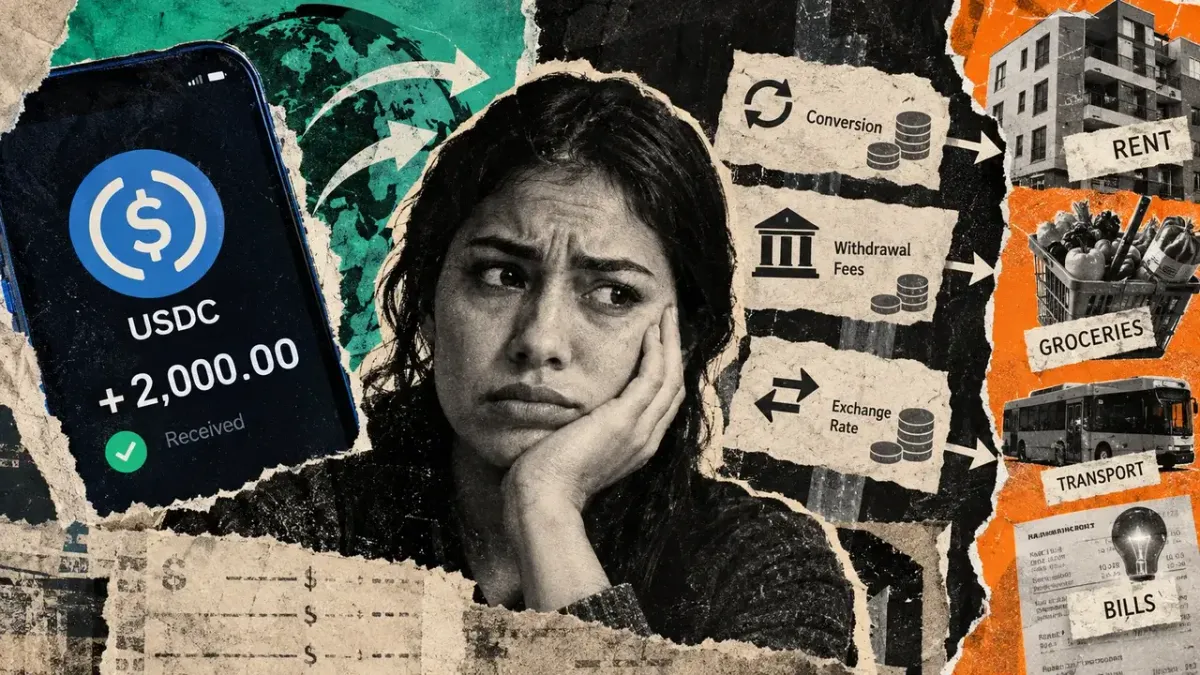
The rise of stablecoin salaries has sparked significant discussion, especially regarding their practicality for workers. While stablecoins are known for their rapid transfer capabilities between wallets, employees receiving their wages in this format may find that immediate access to their earnings is not as straightforward as it seems. To utilize these funds in everyday life, they often must convert stablecoins into local currency, transfer the money to a bank account, and contend with transaction fees. This scenario raises concerns about whether the benefits of receiving wages in digital assets outweigh the associated costs and complications.
Stablecoins have gained traction in the broader cryptocurrency landscape as a bridge between digital currencies and traditional fiat money. They are designed to maintain a stable value, often pegged to a major currency like the US dollar, which theoretically makes them a safer option for both transactions and savings. However, the logistics of converting these digital assets into usable cash can create hurdles for employees who rely on prompt access to their salaries for daily expenses like rent, groceries, and bills.
This situation matters greatly for the market because it highlights a potential barrier to the wider adoption of cryptocurrencies in professional settings. If workers face challenges accessing their wages in a timely manner, they may be less inclined to accept payment in stablecoins, undermining the appeal of this payment method. Furthermore, the additional fees and complexities involved could discourage both employers and employees from embracing cryptocurrencies as a mainstream means of compensation.
Industry experts have weighed in on this issue, emphasizing the need for more infrastructure to support seamless conversions between stablecoins and fiat currencies. Some argue that advancements in technology and regulatory frameworks may help alleviate these obstacles in the future. However, until such solutions are widely implemented, the current challenges may persist, creating a gap between the potential of stablecoins and their practical use in salary payments.
Looking ahead, the conversation around stablecoin salaries is likely to evolve as more companies explore this payment method. Stakeholders may push for better solutions that minimize fees and enhance accessibility, paving the way for a more integrated approach to digital payments in the workforce. As the cryptocurrency landscape continues to change, the viability of stablecoin salaries will depend on how effectively these challenges are addressed.

CoinMagnetic Team
Crypto investors since 2017. We trade with our own money and test every exchange ourselves.
Updated: September 2026
From our insights:
Related news

Trump announces plan for US ‘AI Force’ to oversee sector without new regulations
SEC's tokenized-stock initiative may favor Coinbase, Robinhood, Circle, analysts suggest

Bitcoin's 63% HODL wave increases but lacks bullish implications

Trump endorsed crypto ethics rule but exempted family business interests
Clarity Act's defeat shifts crypto regulation focus to SEC and CFTC