French proposal for 31.4% stablecoin tax threatens domestic market stability
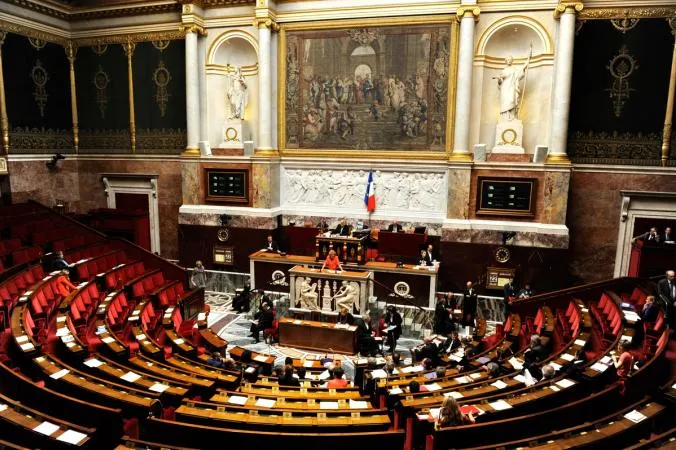
As we track regulatory developments across Europe, a new warning from Chainalysis General Manager in France Francois Volpoet has brought significant attention to French fiscal policy. Speaking on the matter, Volpoet cautioned that a proposed 31.4% tax on regulated stablecoins could create an adverse environment for digital assets within the country. Instead of capturing additional revenue, such a steep levy risks pushing local crypto traders directly toward unmonitored offshore channels where compliance and consumer protections are largely absent.
This legislative proposal arrives at a sensitive time for the European crypto ecosystem. France has previously positioned itself as an emerging hub for financial technology and blockchain innovation, working to attract institutional players under the European Union Markets in Crypto-Assets framework. Introducing a heavy tax burden specifically targeting stablecoins, which serve as the primary liquidity bridge across decentralized and centralized exchanges, threatens to disrupt the careful balance policymakers have tried to strike between oversight and market growth.
For the broader market, this development highlights the persistent friction between national tax ambitions and the borderless nature of decentralized finance. Stablecoins are foundational to daily trading, lending, and settlement operations across the globe. When a major European economy contemplates a tax rate exceeding thirty percent on these instruments, market participants naturally begin evaluating alternative jurisdictions that offer more predictable and competitive regulatory frameworks.
Industry reactions have centered on the counterproductive nature of such high taxation in a globally mobile sector. Experts note that excessive levies rarely achieve their intended fiscal goals when taxpayers can easily migrate their activities to foreign platforms. Rather than strengthening the domestic tax base, the measure could severely diminish local trading volume and drive liquidity away from regulated French entities, ultimately harming the nascent digital asset economy the country sought to cultivate.
As the debate around this tax proposal continues to unfold, all eyes will be on French lawmakers to see how they respond to industry warnings. The coming months will determine whether the government decides to recalibrate its approach to stablecoin taxation or proceeds with a policy that risks isolating its domestic crypto sector from the rest of the European Union.

CoinMagnetic Team
Crypto investors since 2017. We trade with our own money and test every exchange ourselves.
Updated: October 2026
From our insights:
Related news
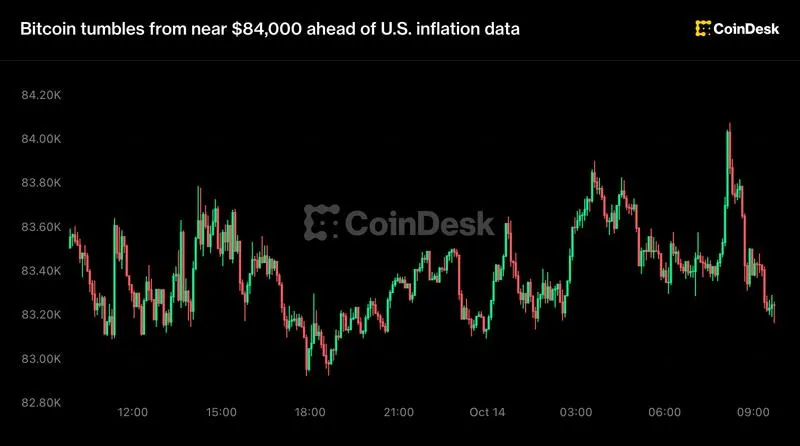
Bitcoin slips from $84,000 as tech stocks stumble before CPI data

Standard Chartered brings direct crypto trading to wealthy clients in the UAE

New York Fed chief expects artificial intelligence bottlenecks to persist for years
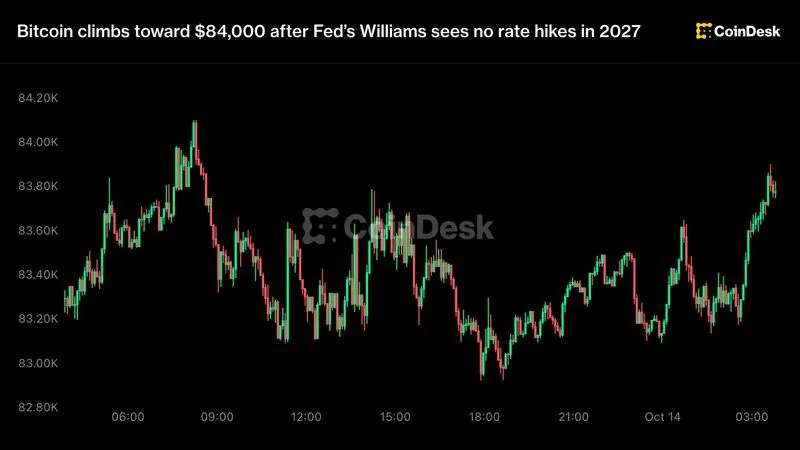
Fed signals steady rates through 2027 as bitcoin approaches $84,000

Ledger pulls hardware wallets from shelves in Hong Kong and Southeast Asia