Pricing houses in bitcoin exposes dollar's loss of value
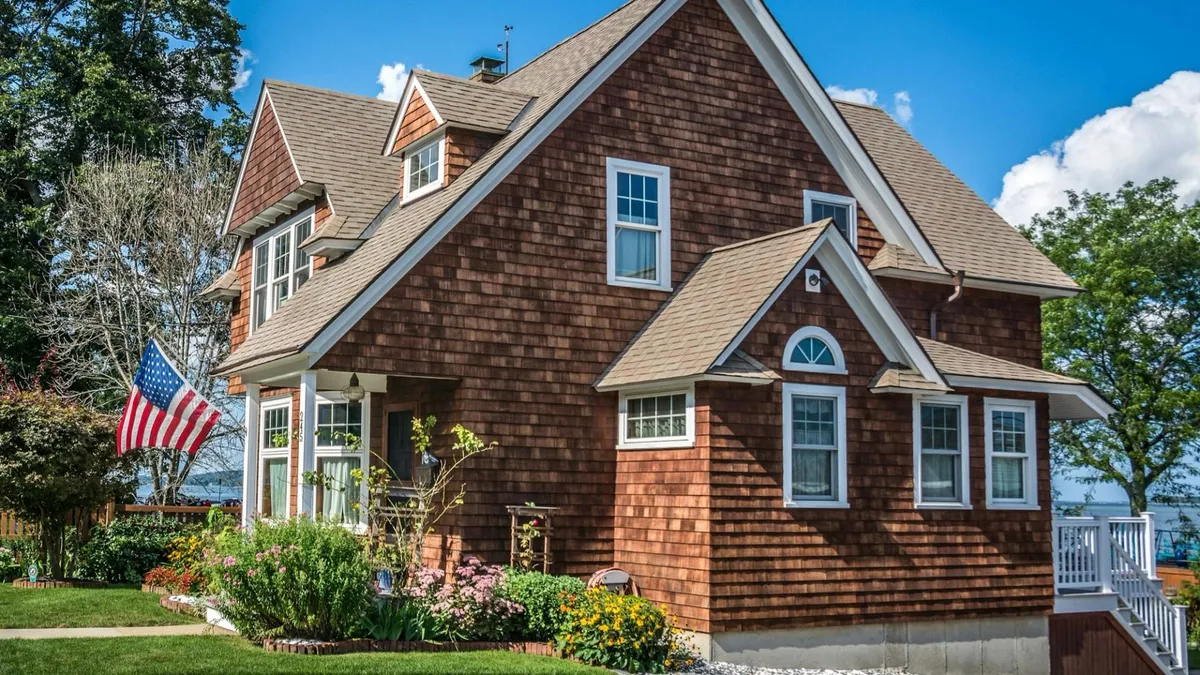
In a significant development for the intersection of real estate and cryptocurrency, some property listings are now being priced in Bitcoin, showcasing a shift in how assets are valued in the wake of perceived dollar depreciation. As the housing market grapples with inflation and fluctuating interest rates, sellers are increasingly looking to Bitcoin as an alternative means of transaction. This trend not only reflects a growing acceptance of digital currencies but also highlights a potential pivot away from traditional fiat currencies as a standard for pricing tangible assets.
The context behind this shift stems from ongoing debates about the U.S. dollar's stability and its ability to retain value amidst rising inflationary pressures. Economists have pointed to various fiscal policies and economic uncertainties that have led to a decrease in consumer confidence in the dollar. As the real estate market faces challenges, including affordability issues and heightened demand for alternative investment avenues, the pricing of homes in Bitcoin may signal a broader acceptance of cryptocurrencies as a legitimate form of value storage and exchange.
This move towards Bitcoin pricing in real estate could have profound implications for the market at large. It suggests a growing normalization of cryptocurrencies in everyday transactions, potentially reshaping how buyers and sellers perceive value. Moreover, this trend could attract a new demographic of buyers who are more comfortable with digital assets than traditional fiat currency, thereby expanding the market and possibly increasing liquidity. If this trend gains momentum, it could lead to more widespread adoption of cryptocurrencies in various sectors beyond real estate.
Industry experts have expressed mixed reactions to this trend. Some view it as a progressive step towards integrating cryptocurrencies into mainstream finance, emphasizing the potential benefits of cryptocurrency's decentralized nature and its ability to bypass traditional banking systems. Others, however, caution against the volatility associated with Bitcoin, arguing that pricing homes in such a fluctuating asset could lead to instability in real estate markets. The balance between innovation and risk remains a key point of discussion among stakeholders in the industry.
As we look ahead, the future of pricing real estate in Bitcoin will likely depend on broader market trends and regulatory developments. If inflationary pressures continue and confidence in the dollar wanes, we may see an increasing number of real estate transactions denominated in cryptocurrencies. Additionally, regulatory clarity around digital assets could further legitimize their use in real estate, paving the way for more sellers to consider Bitcoin as a viable pricing option. The coming months will be crucial in determining whether this trend is a fleeting experiment or a lasting evolution in how we perceive and transact in real estate.

CoinMagnetic Team
Crypto investors since 2017. We trade with our own money and test every exchange ourselves.
Updated: July 2026
From our insights:
Related news
Ethereum researcher warns AI could compromise crypto signatures before quantum tech

Circle partners with Tereina to integrate USDC and EURC payments in SAP software

Claude Haiku 5.5 introduced as fastest and most cost-effective model yet

Zcash ETF surpasses $1 billion as Grayscale highlights new ETF phase

Google's Playground enables game creation from text descriptions for users