Crypto remains resilient in face of renewed Middle East tensions
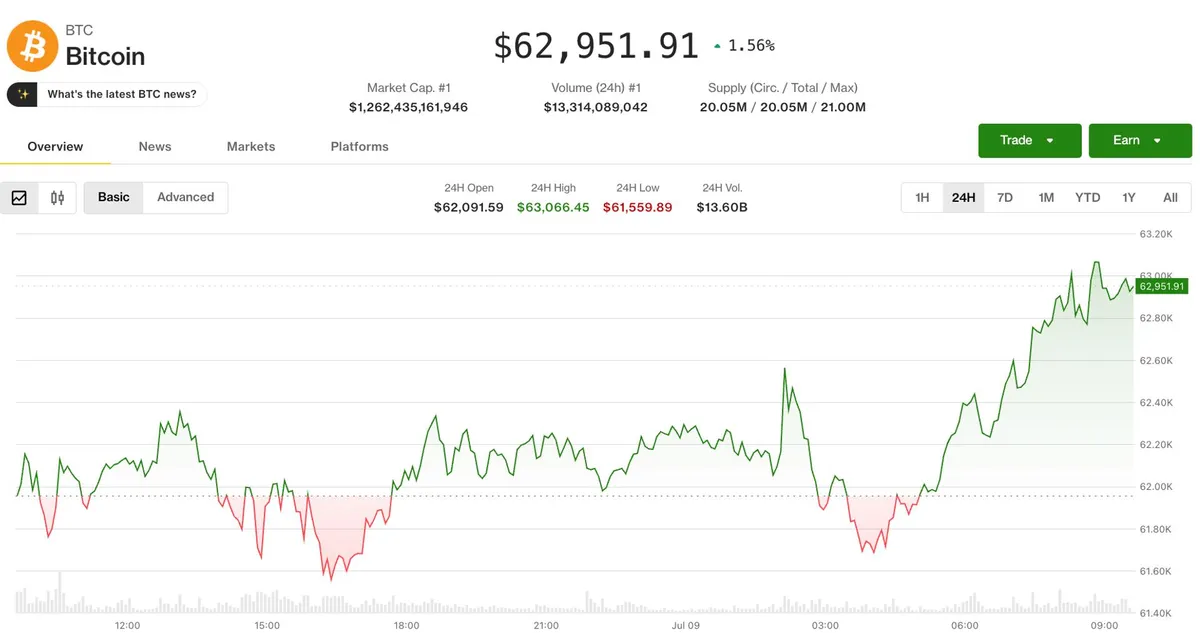
In the wake of renewed tensions in the Middle East, particularly following recent U.S. airstrikes on Iran, Bitcoin has demonstrated notable resilience. The leading cryptocurrency saw a rise of 1.2%, reaching a price of $63,000. Concurrently, Nasdaq futures jumped by 2.6%, indicating a bullish sentiment among investors despite geopolitical uncertainties. With Bitcoin now up 9% since the end of June, this upward trend highlights the growing confidence in digital assets amidst traditional market volatility.
Historically, Bitcoin and other cryptocurrencies have often been viewed as safe havens during periods of geopolitical unrest. This perspective has gained traction over the years as investors seek alternative stores of value when traditional assets appear threatened by external shocks. The current situation in the Middle East, combined with ongoing economic uncertainties, has led to an increased interest in Bitcoin, as well as a broader acceptance of cryptocurrencies by mainstream investors. This context sets the stage for understanding why the market is reacting positively despite the potential for escalation in global tensions.
The implications of Bitcoin's resilience are significant for the market as a whole. This movement may suggest that cryptocurrencies are becoming increasingly decoupled from traditional financial markets, allowing them to thrive independently even amid global crises. Such a shift could attract more institutional investors looking for alternative assets that may offer protection against inflation and geopolitical instability. As Bitcoin continues to gain traction, it may further solidify its position as a mainstream financial asset.
Industry experts have expressed mixed reactions to the current situation. Some view Bitcoin's upward movement as a positive indicator of its maturation and stability, while others caution that external factors could still lead to volatility. Analysts suggest that the cryptocurrency market remains sensitive to macroeconomic events, but the current resilience suggests that a growing segment of the market sees Bitcoin as a viable long-term investment. The divergence in opinions reflects the ongoing debate about the role of cryptocurrencies in an increasingly complex financial landscape.
Looking ahead, the market will be keenly watching how geopolitical developments unfold and whether Bitcoin can maintain its upward trajectory. If tensions escalate further, it could either bolster Bitcoin's status as a safe haven or lead to increased volatility, depending on investor sentiment. As the situation in the Middle East continues to evolve, the crypto community will likely remain vigilant, attempting to gauge how these external factors influence market dynamics in the weeks and months to come.

CoinMagnetic Team
Crypto investors since 2017. We trade with our own money and test every exchange ourselves.
Updated: July 2026
From our insights:
Related news

Cuomo urges crypto industry to evenly support parties for legislation

‘Don’t rush anything’: Vitalik Buterin warns against hasty wallet migrations amid growing AI threats

Canton CEO emphasizes adoption to shield crypto from US policy changes
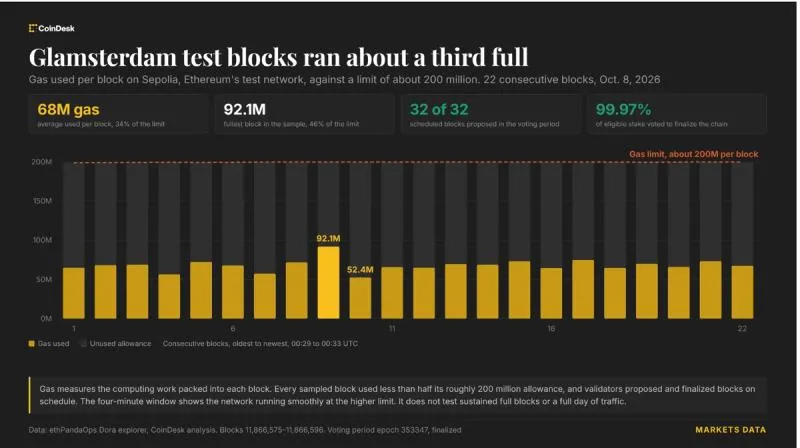
Ethereum’s Glamsterdam test runs near 200 million gas per block after upgrade

Samsung to launch USDC transfers on Solana for US Galaxy users