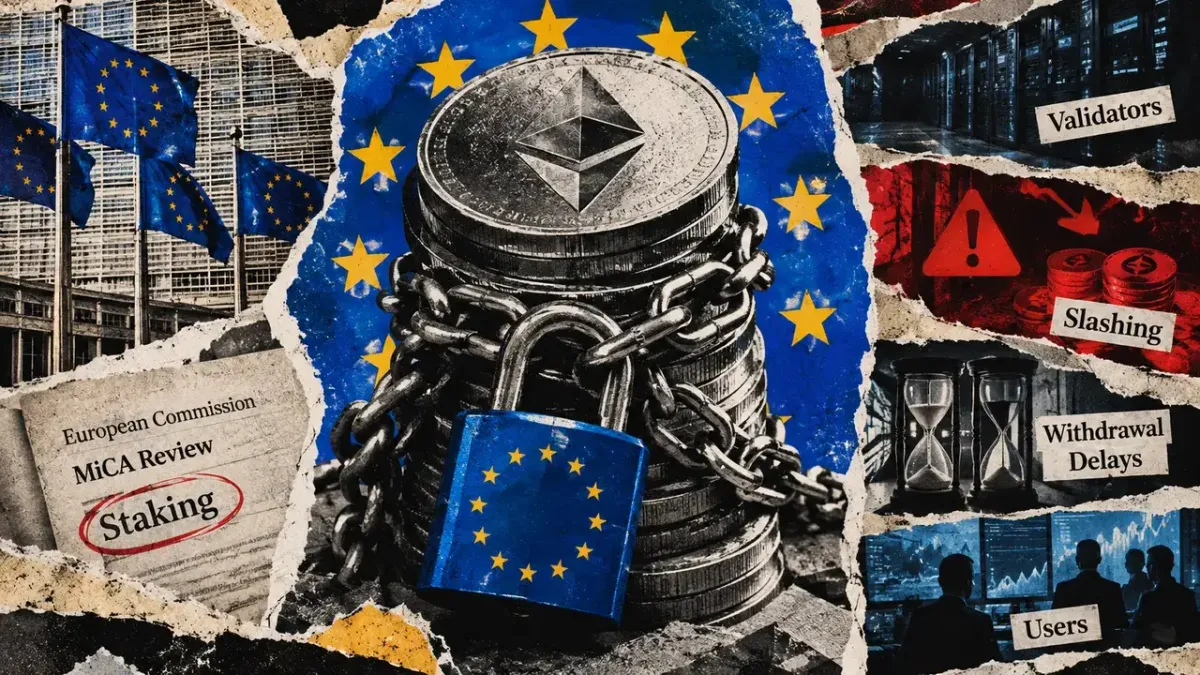
OpenZeppelin founder says he now considers ‘all of DeFi’ unsafe
Manuel Aráoz, the founder of OpenZeppelin, has recently stirred significant conversation within the cryptocurrency community by declaring that he now considers “all of DeFi” to be unsafe. In a string of private discussions, he has advised friends and family to divest from decentralized finance positions entirely. This stark warning reflects a growing concern among industry leaders regarding the security and viability of DeFi platforms, which have been increasingly targeted by hackers and scammers in recent months. Aráoz's comments serve as a cautionary signal, highlighting the inherent risks that even seasoned professionals in the space are beginning to acknowledge.
The decentralized finance sector has been a focal point in the crypto landscape for several years, offering innovative financial services without traditional intermediaries. However, the rapid growth of DeFi has also led to numerous vulnerabilities. High-profile hacks and exploits have plagued the industry, with millions of dollars lost to breaches. As DeFi projects proliferate, many lack the robust security measures that are crucial to protecting user funds. Aráoz's warning underscores the growing sentiment that the allure of high-yield returns often overshadows the essential need for security audits and risk management in these platforms.
This shift in perspective is particularly significant for the market, as it may influence investor sentiment and behavior. If prominent figures like Aráoz are advising caution, it could lead many to reconsider their exposure to DeFi products. A mass exit from these positions might trigger a market downturn, as liquidity could dry up and confidence wane. Furthermore, this could prompt regulatory scrutiny and calls for greater oversight within the DeFi sector, as regulators may feel compelled to protect investors from the risks highlighted by industry insiders.
Reactions within the crypto community have been mixed. Some industry experts agree with Aráoz, emphasizing the need for a more cautious approach to DeFi investments. Others, however, argue that while risks exist, the potential for innovation and the transformative power of DeFi is still worth pursuing. This divergence in opinion illustrates the broader debate within the crypto community about risk versus reward, and how best to navigate the evolving landscape of decentralized finance.
Looking ahead, the implications of Aráoz's comments could lead to a more cautious approach among developers and investors alike. The industry may see a shift towards greater emphasis on security and due diligence, with more projects prioritizing audits and transparent practices. As the DeFi space matures, stakeholders will need to balance the desire for innovation with the pressing need for safety, ensuring that the sector can thrive without compromising user trust.

CoinMagnetic Team
Crypto investors since 2017. We trade with our own money and test every exchange ourselves.
Updated: May 2026
From our insights:
Related news

Solstice CEO predicts less volatile future for crypto cycles amid liquidity growth
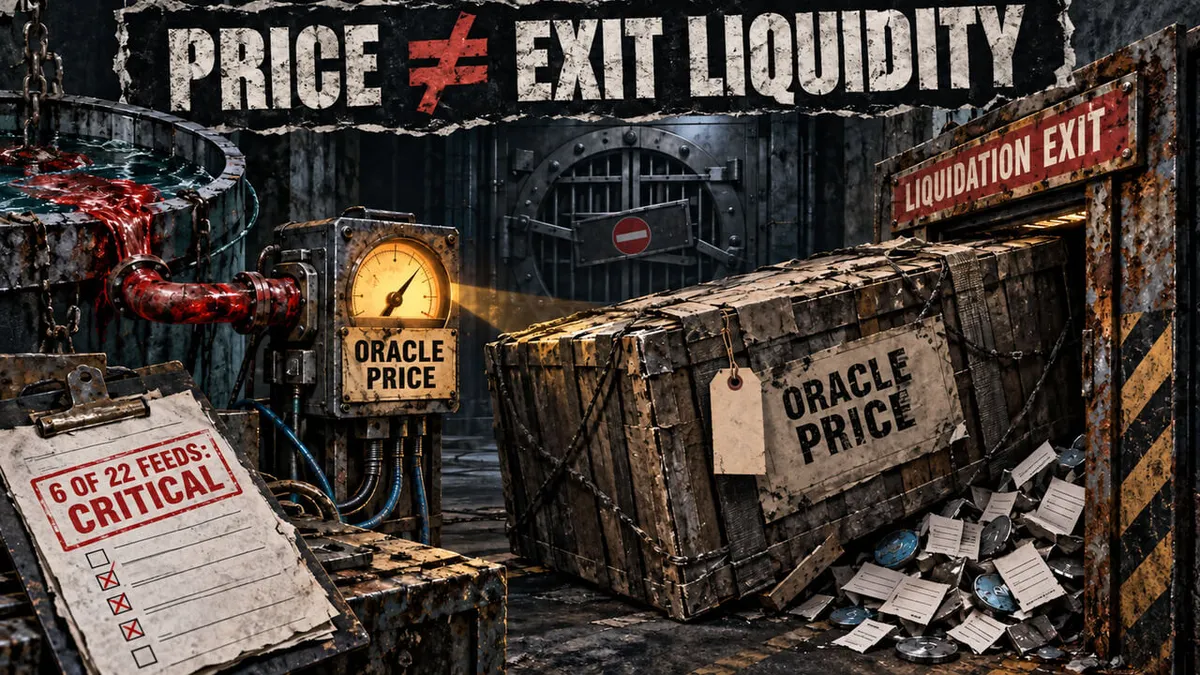
Pragma flags 6 price feeds as critical risk following $3.5M Starknet lending exploit
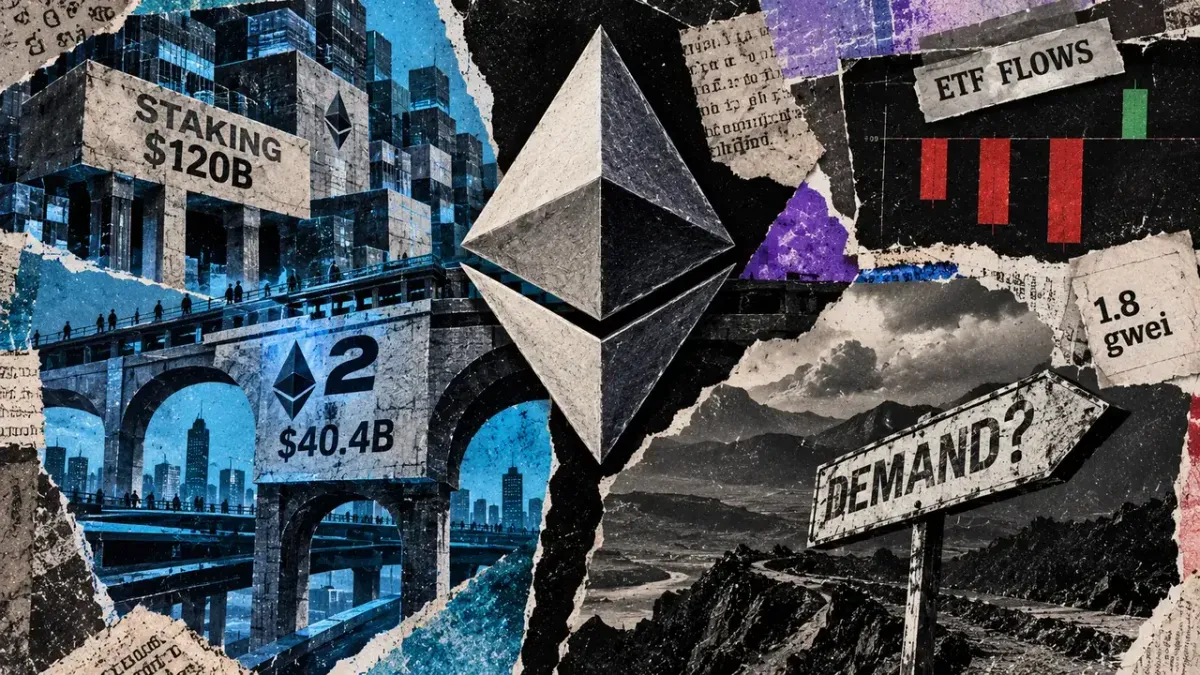
Ethereum's $120 billion in staking masks underlying supply dynamics
NEAR price surges 80% weekly as Intents volume approaches $30 billion
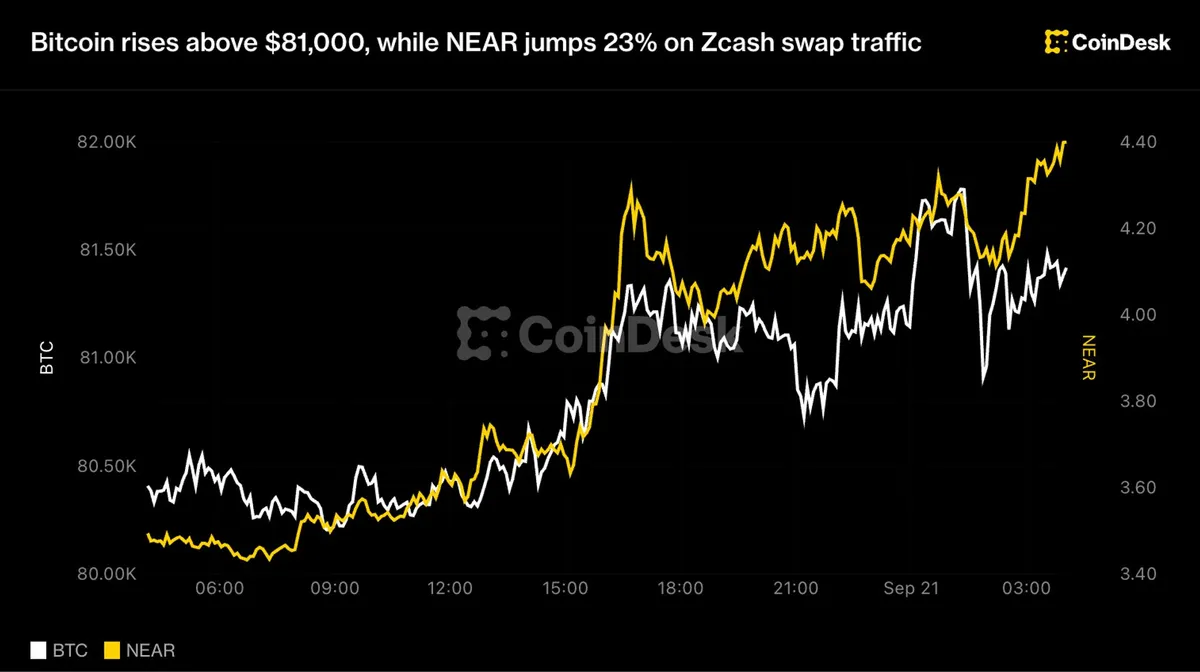
Bitcoin surpasses $81,000 as NEAR surges 23% amid Zcash swap activity